

Janet
Bardwell Valley
Sydney Music Lessons connects students with experienced music theory teachers around the Inner West, Sydney CBD, Eastern Suburbs, North Shore, St George, Western Sydney and the Sutherland Shire. We have music theory teachers in suburbs including Croydon Park, Marrickville, Camperdown, Ultimo, Bondi Junction, Paddington, Chatswood, Parramatta, Bardwell Park and Loftus, with teachers available across many surrounding suburbs as well.
Whether you’re preparing for AMEB exams, studying HSC Music, learning alongside an instrument or simply wanting a better understanding of how music works, we’ll match you with an experienced teacher who suits your goals, schedule and learning style.
 View Teachers








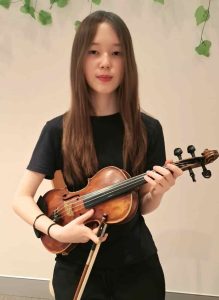
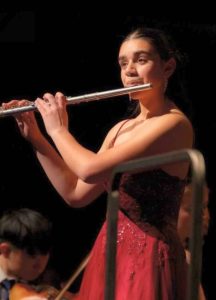

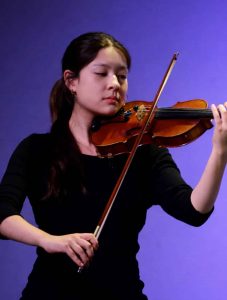





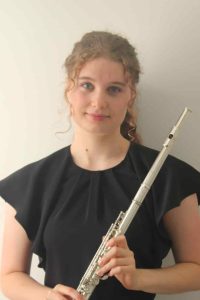

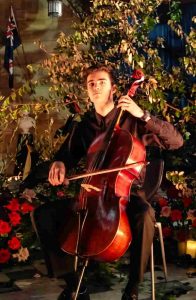
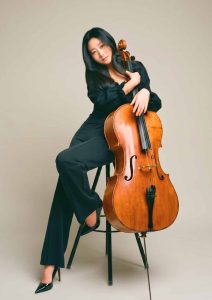








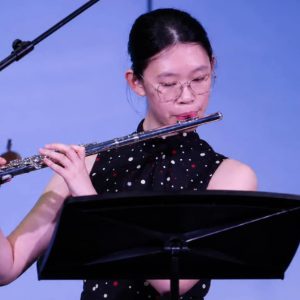

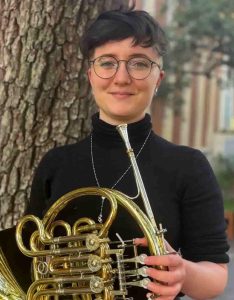
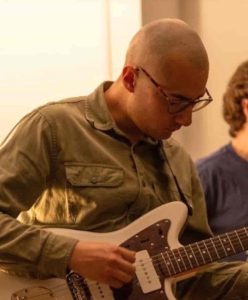





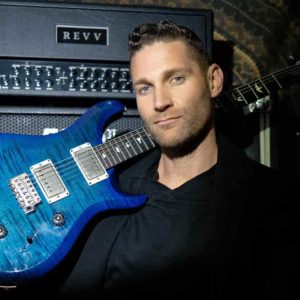







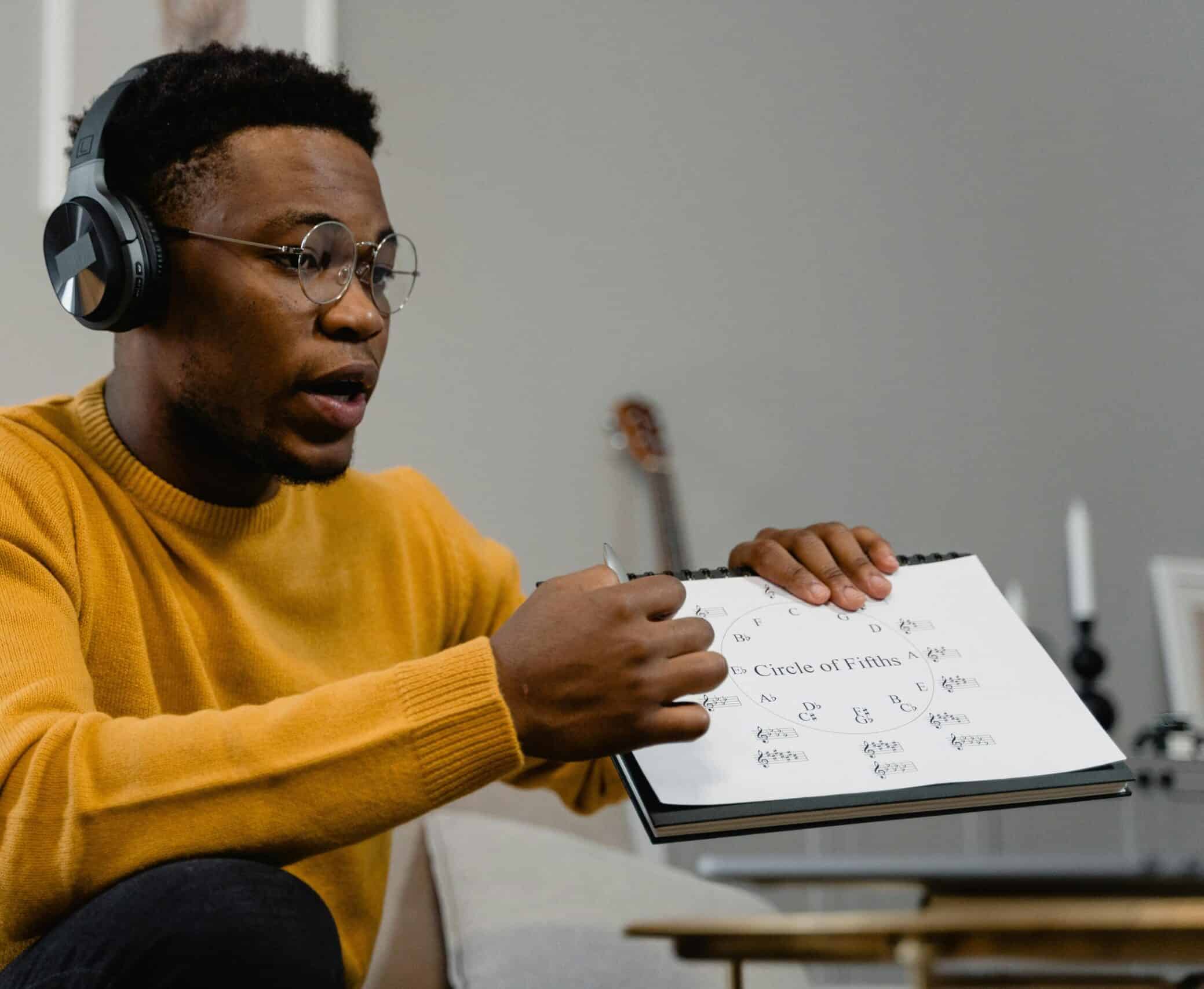
Our music theory teachers offer both online and in-person lessons across Sydney, allowing students to choose the format that best suits their learning style and schedule. Many teachers offer both options, while some specialise in one format.
Because music theory is primarily discussion, analysis and problem-solving based, both online and in-person lessons can be highly effective. In-person lessons may be particularly helpful for younger students or those preparing for AMEB and HSC Music who benefit from more direct guidance and support.
When you enquire, we’ll match you with a music theory teacher who offers the lesson format, location and price range that suits your needs.
Reading notes and rhythms
Scales, keys and tonal centres
Intervals and chord building
Harmonic function and progressions
Ear training for pitch recognition
Form, structure and phrasing

Melody writing
Italian musical terms
You’ll learn how notation works, understand basic rhythm, identify key signatures and read simple musical examples.
No — theory can be learned with or without instrumental skills.
Yes. Understanding harmony, rhythm and structure makes learning pieces much easier.
Absolutely. Teachers can guide you through every grade level with targeted practice.
Yes. Chord construction, scale patterns and tonal relationships are core parts of theory lessons.
Yes. Teachers can cover melody writing, harmony, voice-leading and form.
Lessons combine written work, listening exercises, score examples and practical musical demonstrations.
Yes — you’ll study form, motifs, harmonic progressions and stylistic patterns.
A lot. Understanding keys, scales and chord functions gives you the tools to improvise confidently.
A lot. Understanding keys, scales and chord functions gives you the tools to improvise confidently.
My daughter needed help with music theory to take her AMEB exams. We easily found a teacher for not too much near where we live on Sydney Music Lessons.
Our 12-year-old son has been learning with Nir for two years and the improvement has been incredible. Nir brings a positive, encouraging energy to every lesson and is especially great with younger students.
He is patient, engaging, and adapts well to each student’s needs. Online lessons have been consistently high quality.
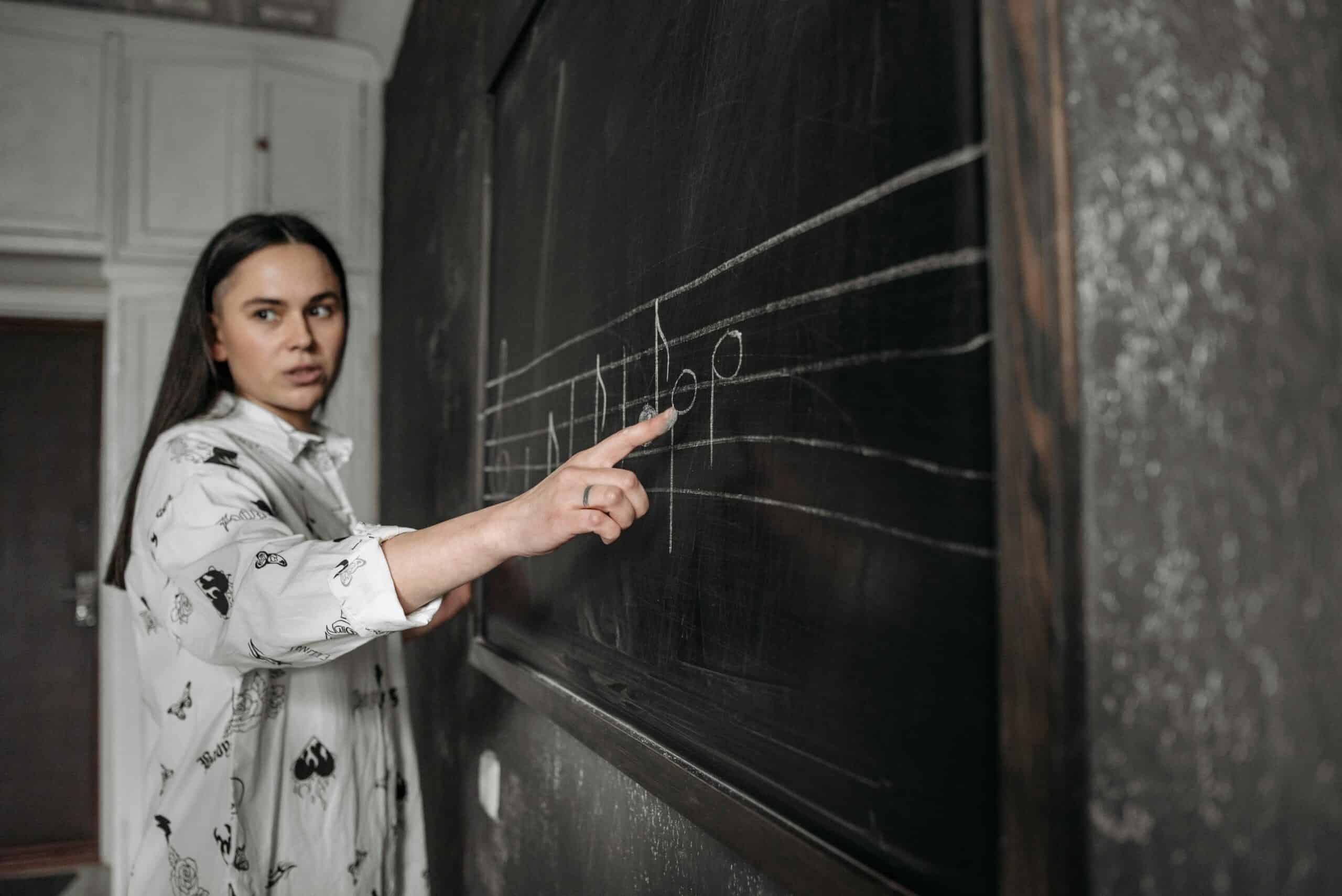
In your first music theory lessons, your teacher will introduce the core concepts that appear across almost all styles of music. Beginner lessons focus on reading notation, understanding rhythm and recognising common musical patterns so you can start making sense of the music you listen to and play. The goal isn’t memorisation, it’s building understanding from the beginning.
Typical focus: note reading, rhythm, musical symbols, scales and basic intervals