

Brenda
Epping
Sydney Music Lessons connects students across Sydney with experienced, vetted French horn teachers. We match you with a local French horn teacher based on your suburb, schedule, experience level, and musical goals, so lessons fit naturally around your life.
Our French horn teachers are based throughout Sydney, offering private French horn lessons from their home studios, travelling to students where available, or online lessons, depending on the teacher and your preference. We currently have dedicated French horn teachers in Epping, Killarney Heights, Croydon, and Granville, with teachers available across surrounding suburbs and online options for students anywhere.
 View Teachers
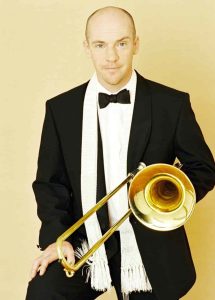
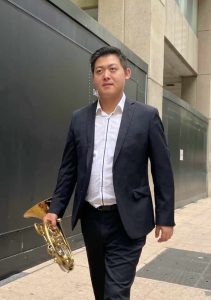
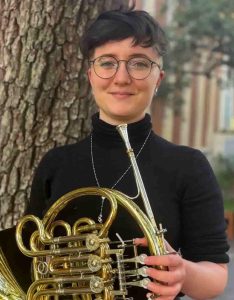
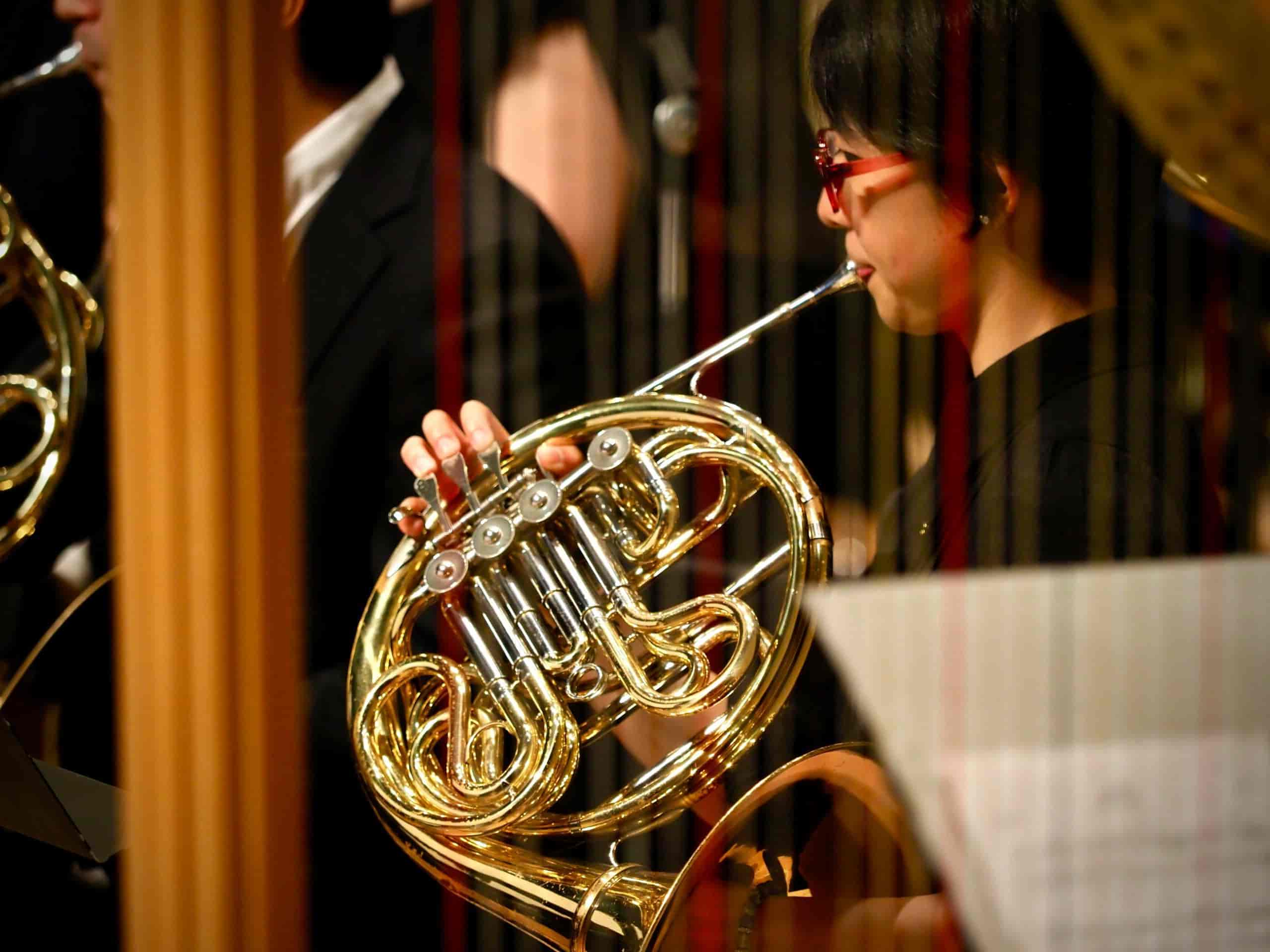
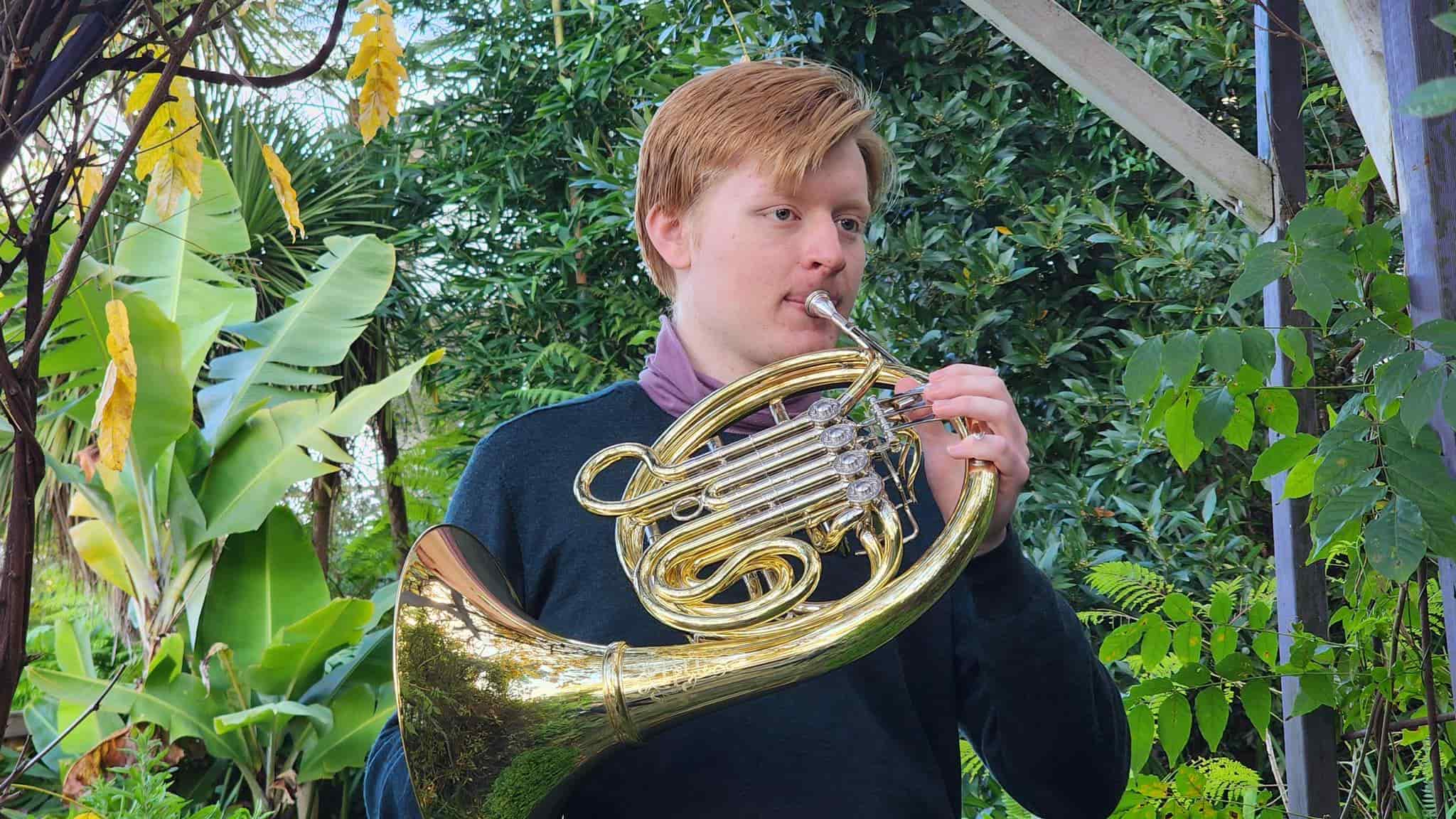
Our French horn teachers offer both online and in-person lessons across Sydney, giving students the flexibility to choose the format that best suits their lifestyle and learning goals. Many teachers offer both options, while some specialise in one particular format. For French horn, both approaches can work well, with in-person lessons offering additional benefits for beginners who are developing breath support, embouchure, and tone production.
When you enquire, we’ll match you with a teacher who offers the format you need, in your area and price range.
Centre notes cleanly, consistently
Relaxed airflow and breath support
Embouchure stability without tension
Smooth valve coordination and technique
Accuracy across harmonic series
Warm tone, blend, control
Articulation, phrasing, musical shaping
Reading skills and repertoire progress
The first lesson typically covers posture, breathing, embouchure setup, producing your first clear notes, basic rhythm/reading, and a simple weekly practice plan so you know exactly what to do between French horn lessons.
It can feel demanding early on because accuracy and control matter a lot, but good French horn lessons make it very learnable by building fundamentals in the right order.
Weekly lessons are best for faster progress and consistent feedback. Fortnightly can work if you practise regularly and want a slower pace.
Not necessarily. Many students start by renting or borrowing, and your teacher can advise the right horn type and setup before you buy anything.
Most students eventually move to a double horn, but the best starting option depends on age, budget, and goals. A first French horn lesson can clarify what makes sense for you.
Both can work. Online lessons can be excellent for tone, reading, rhythm, and structured practice; in-person can be helpful for quick physical adjustments and breath/embouchure checks – either way, progress is possible.
Consistency matters more than long sessions. A short, focused routine most days (set by your teacher) usually outperforms occasional long practice sessions.
Absolutely. Lessons can target ensemble skills like counting, entries, blending, dynamics, and playing confidently within a section.
Many teachers do. Your lessons can include technical work, sight-reading, aural skills, repertoire planning, and performance coaching tailored to your exam board or audition requirements.
The fundamentals are the same, but the focus shifts: classical often prioritises tone consistency, accuracy, and articulation; film/pop contexts may lean more into phrasing, studio readiness, and quick learning. French horn lessons can be customised either way.
Adults can absolutely start. A teacher will pace the learning so you build solid fundamentals without frustration and with realistic milestones.
That usually means there’s a technique bottleneck (breath use, embouchure efficiency, or practice structure). A few targeted French horn lessons can fix the core issue and restart progress quickly.
Luka has found a great french horn teacher who is teaching my son and has just passed with Honours (A) grade 5 AMEB. Thank you and we look forward to continuing lessons for the long future.
It’s very hard to find a good French horn teacher, and we are finally settled into one who is professional, elegant, and clearly explains concepts. Thank you to Sydney Music Lessons
In your first lessons, your teacher will help you establish comfortable posture, breathing technique, and a relaxed embouchure so you can produce a clear, steady tone. You’ll learn how to hold the horn correctly, create your first notes, and develop the coordination needed to play simple melodies. Early lessons focus on building good habits while making sure playing feels enjoyable and achievable from the start.
Typical focus: posture, breathing, embouchure, tone production, first notes, basic rhythms and reading