

Andrew
Bondi Junction
Sydney Music Lessons connects students with experienced electric guitar teachers across Sydney. Whether you’re learning your first chords, playing your favourite rock songs or building advanced lead guitar skills, we’ll match you with a teacher that suits your goals, schedule and learning style.
Our teachers offer home studio lessons, travel-to-you lessons and online lessons depending on the teacher and your preference. We have electric guitar teachers across the Eastern Suburbs (Bondi Junction, Paddington), Inner West (Marrickville, Camperdown, Croydon Park, Haberfield), St George (Bardwell Park) and Sutherland Shire (Loftus), with teachers available in many surrounding suburbs as well and online.
 View Teachers
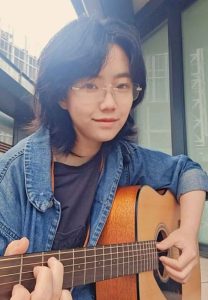
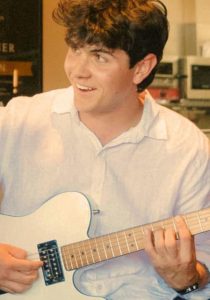
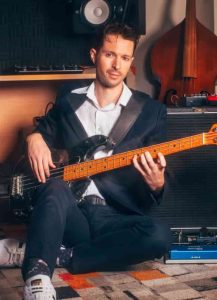

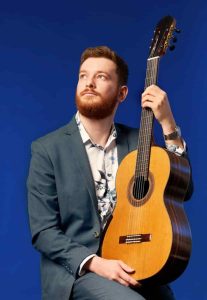

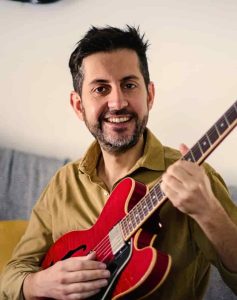
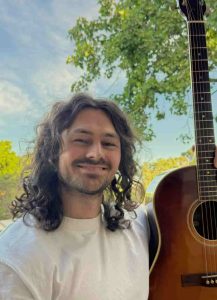
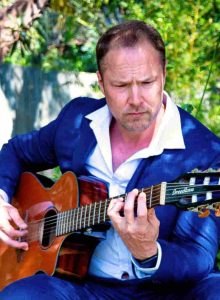
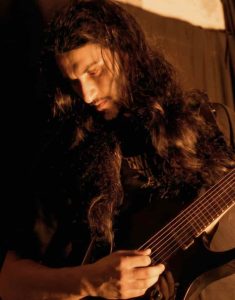
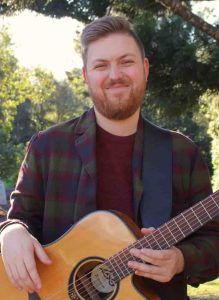


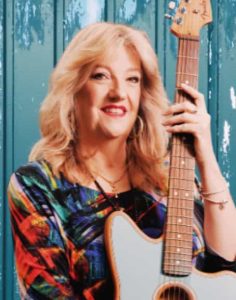
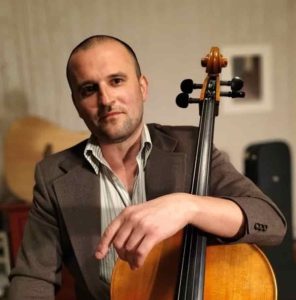
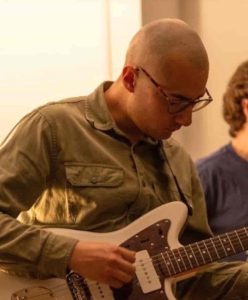





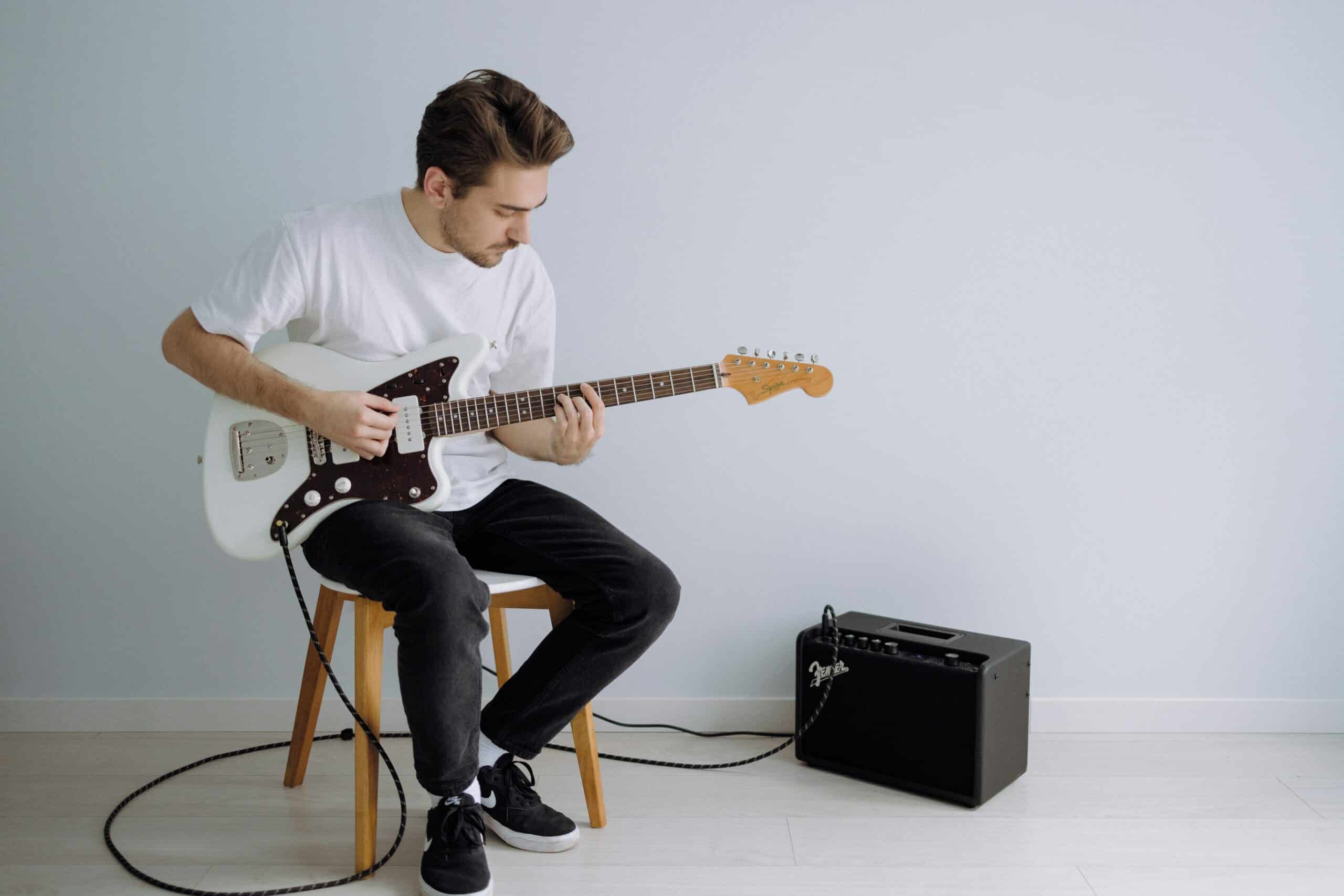
Whether you’re looking for electric guitar lessons for kids or adults, our teachers tailor lessons to your experience level, goals and the music you enjoy listening to.
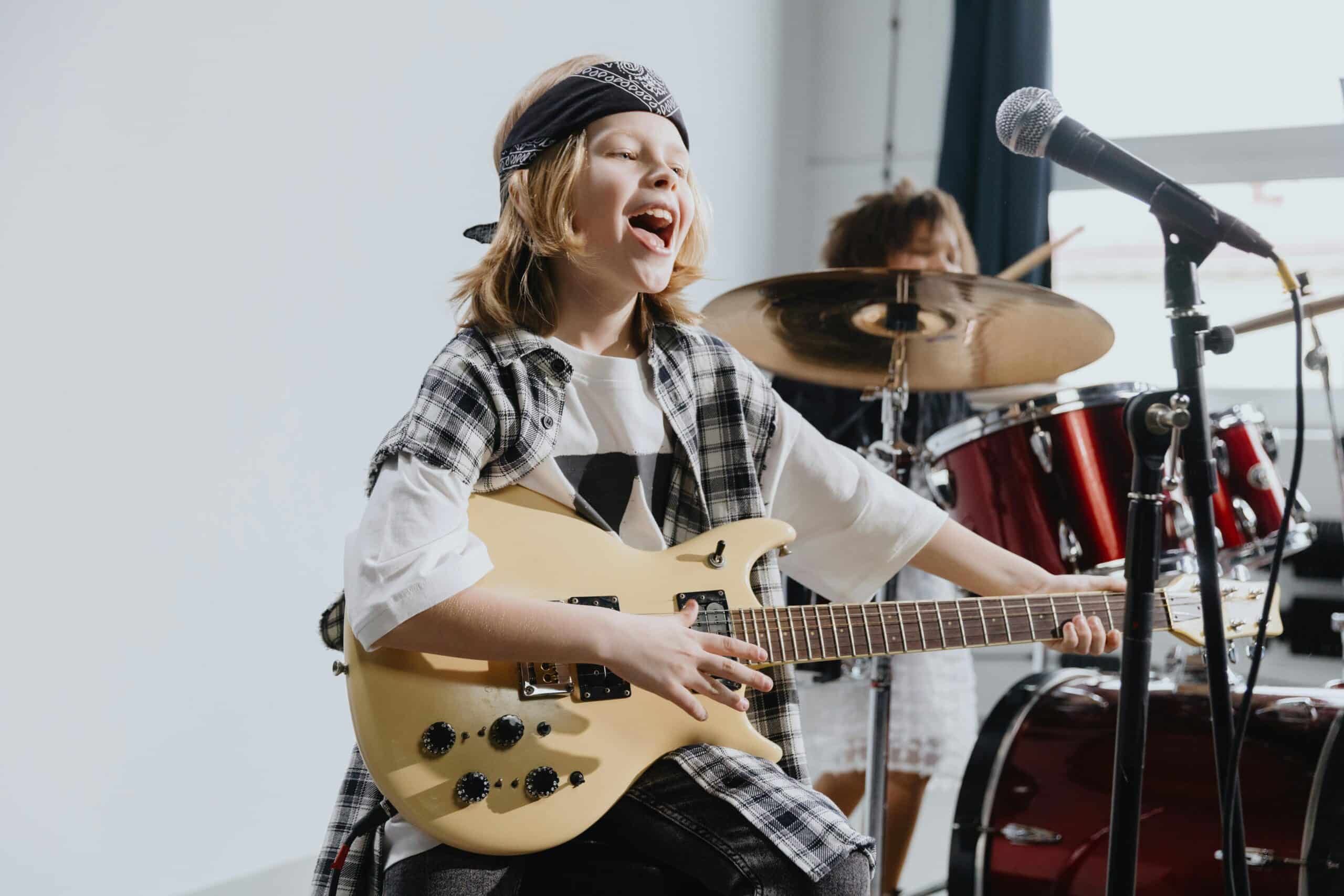
For younger students, lessons focus on building strong fundamentals while keeping learning fun and engaging. Students learn chords, rhythm, riffs and songs they recognise, helping them stay motivated while developing good technique from the beginning. Many young guitarists also develop an interest in drum lessons, as both instruments play an important role in rhythm and band settings. If you’re looking for an electric guitar teacher for your child, we’ll match them with someone whose teaching style keeps them excited to learn.
For adults, lessons are usually built around personal goals and musical interests. Some students want to learn their favourite songs, some want to play in a band, while others simply want a creative hobby outside of work. There is no pressure to sit exams or perform unless that’s something you want to pursue. Many adult students who enjoy electric guitar are also drawn to bass guitar lessons, particularly if they’re interested in rock, blues or contemporary music and want to explore another side of playing in a band.
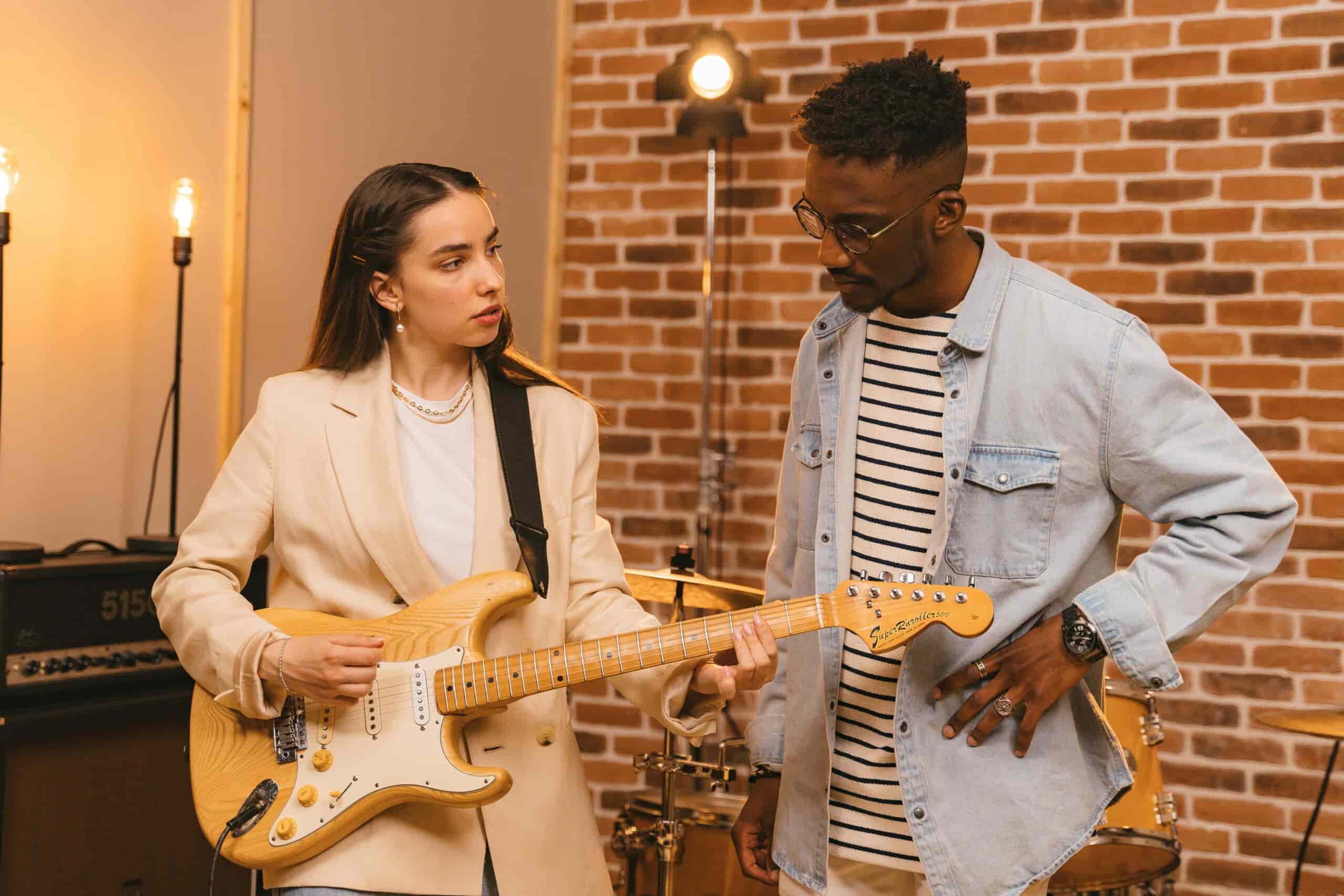
Electric guitar lesson costs in Sydney typically range from $60 to $130 per hour, depending on the teacher’s experience, qualifications, location, lesson format, and the length of each session. Most students choose an experienced guitar teacher who can provide personalised guidance and help them develop strong technique from the beginning.
Several factors influence the price of electric guitar lessons:
Experience and qualifications: teachers with extensive performance backgrounds, years of teaching experience, or specialist knowledge in areas such as improvisation, songwriting, and advanced guitar techniques will generally charge more than those earlier in their careers. Both can be excellent choices depending on your goals and budget.
Lesson length: most electric guitar lessons run for 30, 45, or 60 minutes. Shorter lessons are often suitable for younger beginners, while longer sessions allow more time to develop technique, learn songs, explore different styles, and build confidence.
Online vs in-person: online electric guitar lessons can be a convenient and sometimes more affordable option, as there are no travel costs involved. In-person lessons provide the advantage of direct feedback on posture, technique, and playing style.
At Sydney Music Lessons, our electric guitar teachers range from $60 to $130 per hour. We focus on connecting students with experienced, carefully selected teachers who can help them build strong foundations and continue progressing over time. When you enquire, we’ll match you with teachers in your area and price range so you can choose the right fit with no obligation.
Our electric guitar teachers offer both online and in-person lessons across Sydney, giving you the flexibility to choose the learning format that best fits your lifestyle. Many of our teachers provide both options, while some specialise in one particular format.
Online electric guitar lessons offer convenience and flexibility, allowing students to learn from home while accessing experienced teachers regardless of location. They are particularly suited to busy students, adults, and anyone wanting to fit lessons around their commitments. In-person electric guitar lessons provide the benefit of direct feedback on technique, posture, playing habits, and sound production, making them especially valuable for beginners and students looking to refine their skills.
When you enquire, we’ll match you with an electric guitar teacher who offers your preferred lesson format, is available in your area, and fits your budget and learning goals.
Comfortable posture seated or standing

Picking accuracy and speed
Clean fretting and technique
Reading tabs and chord charts
Rhythm, timing and groove
Lead phrasing and expression
Scales, patterns and improvisation
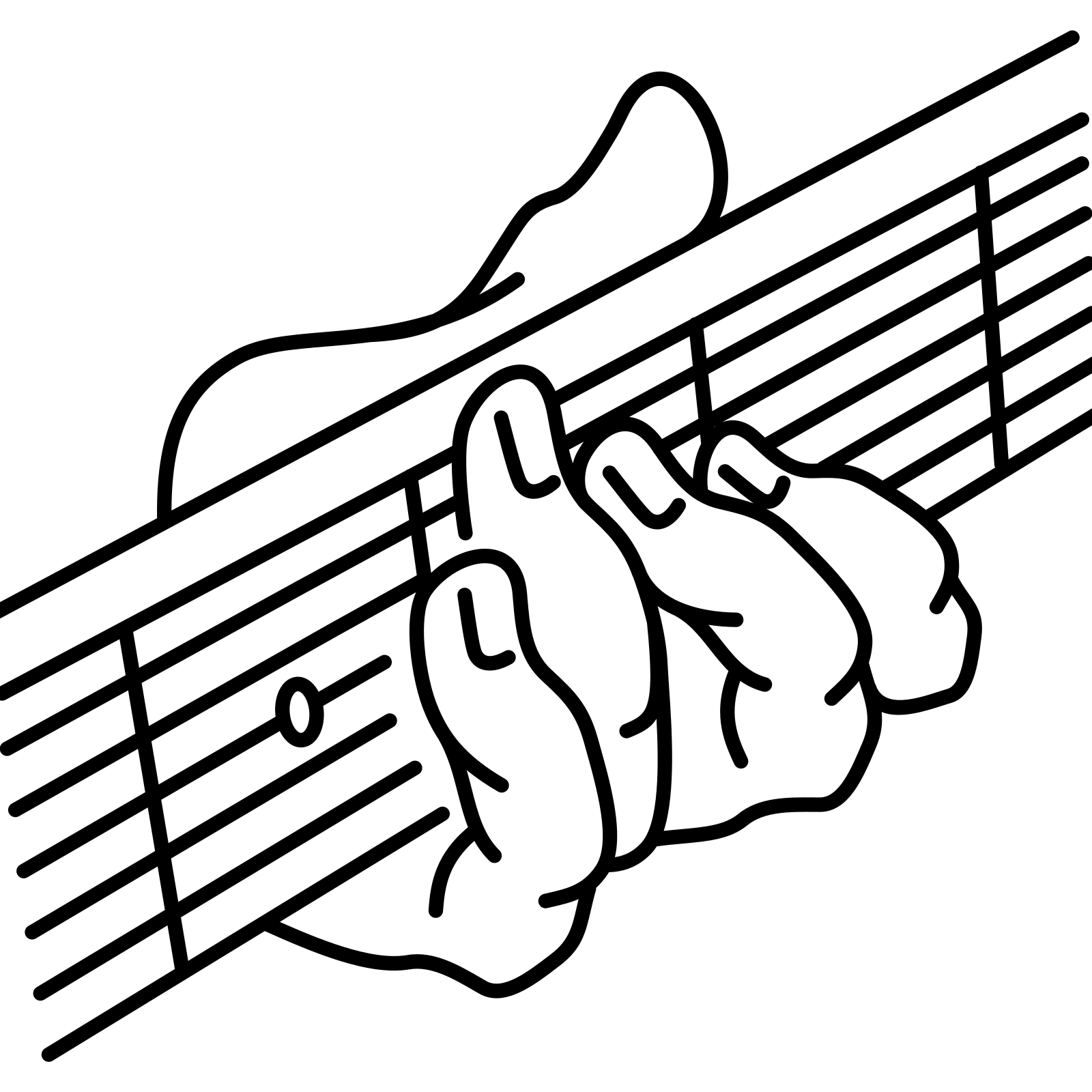
Chords, power chords and riffs
Yes. You’ll need a guitar and a small amp to practise at home. We can help you choose reliable beginner gear.
Many beginners find electric guitar more comfortable thanks to lighter strings and a slimmer neck.
Rock, blues, pop, metal, indie, funk, jazz and more. The electric guitar is one of the most versatile instruments.
Basic riffs come early. Solos take more time, but progress is steady with good technique and practice.
This usually comes from hand position or muting technique. Your teacher will help you clean it up quickly.
Not to start. Basic theory becomes useful once you move into improvisation or more advanced playing.
Yes. Simple scale patterns and phrasing exercises make improvisation accessible early on.
Short, regular sessions build the fastest progress. Even ten minutes a day works well.
No. A clean tone and a simple overdrive setting are enough. Effects can be added later.
At minimum: electric guitar + a pick + a lead (instrument cable) + a tuner. That’s enough to start learning properly.
From there, the most useful extras are a strap (for standing posture), spare picks, and a case/gig bag so it doesn’t get knocked around.
If you’re practising at home, an amp or headphone solution helps a lot (not strictly required for week one, but you’ll want it soon).
Weekly is best for most beginners because it keeps you accountable and stops bad habits from setting in.
Most electric guitar lessons are priced per lesson length, usually 30, 45, or 60 minutes, and rates vary mainly based on the teacher’s experience, travel (if they come to you), and whether it’s private or small group.
As a general market expectation in Sydney: 30 minutes is the cheapest entry point, 45 minutes is the common “best value” option, and 60 minutes is ideal if you want more time for technique + songs + theory in one session.
I want to express my appreciation for Andrew. My girls love their lessons and I was so proud to watch them perform in front of a live audience. It was a wonderful chance for them to also see others play and it really inspired them. Thank you so much for all your effort organising the recital.
My child has really enjoyed the guitar lessons and has improved much faster than expected. Roger is clear, patient, and focuses on building strong fundamentals in a fun and encouraging way.
As your skills develop, lessons begin to explore more advanced chord progressions, lead guitar techniques and a wider range of musical styles. You’ll continue refining your timing, accuracy and overall musicianship while developing greater confidence, control and expression in your playing.
Typical focus: power chords, scales, lead guitar, timing and song development