

Lucinda
Kurraba Point
Recorder lessons help you build strong musical foundations including tone, fingerings, reading, rhythm, and confidence. We match you with a local teacher based on your suburb, schedule, and goals so lessons fit around your life.
Our recorder teachers are based throughout Sydney, offering home studio lessons, travelling to you, and online lessons, depending on the teacher and your preference. We currently cater to areas of Sydney such as the Neutral Bay.
Find a teacher on the map below and enquire, we’ll match you to the right fit.
 View Teachers
Whether you are looking for recorder lessons for kids or recorder lessons for adults, our recorder teachers adapt each session to your experience level, goals, and learning style.
Recorder lessons for kids focus on building strong musical foundations from the start. Students develop essential skills such as proper breath control, finger technique, posture and rhythm through fun exercises and simple repertoire. Learning the recorder supports cognitive development, concentration, fine motor skills, and confidence. We’ll match your child with a teacher who keeps lessons engaging and nurturing.
Recorder lessons for adults are goal-oriented and flexible. Whether you’re a complete beginner, returning to music, or want to explore early music, baroque repertoire, or folk styles, there is no pressure to take exams. Many adults learn the recorder for personal enjoyment, stress relief, or as a stepping stone to other woodwind instruments. Our teachers tailor lessons to your interests and pace, helping you enjoy the instrument’s sweet tone while building solid technique.
If you’re ready to apply that clean technique to a more expressive woodwind, our flute lessons are the natural next step.
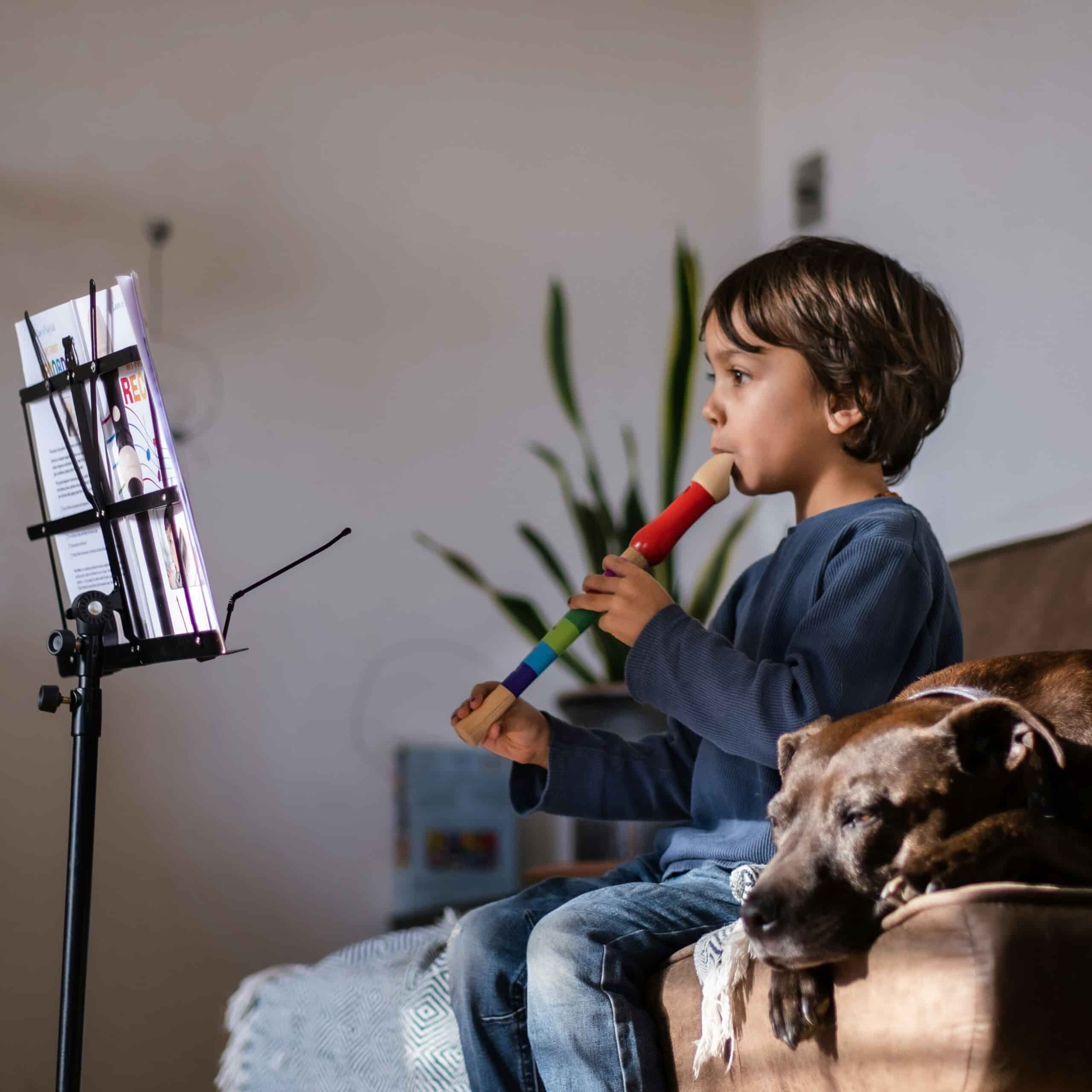
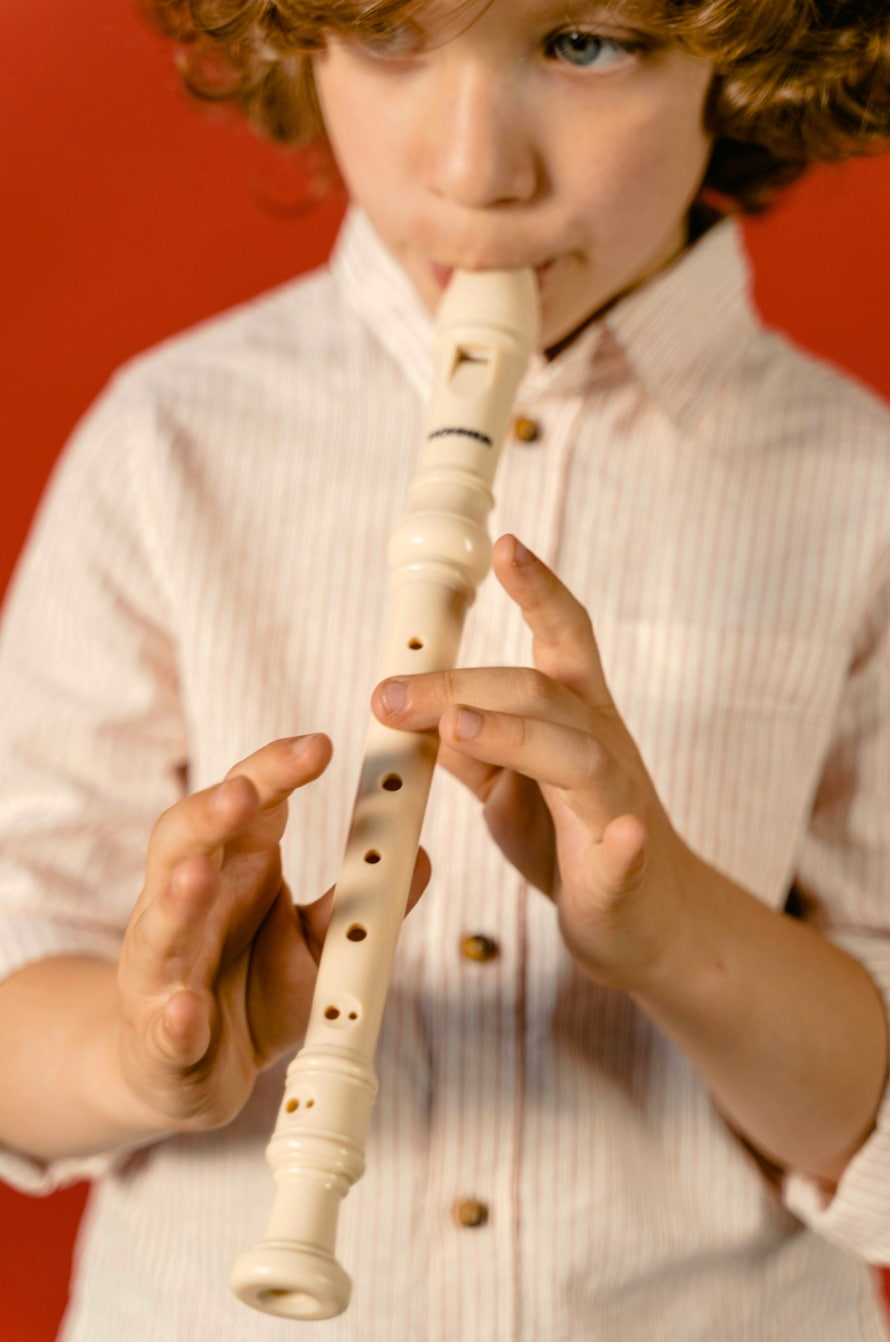
Recorder teachers offer both online recorder lessons and in-person lessons across Sydney, giving students flexibility based on their schedule, location, and learning preferences. Many of our teachers offer both formats.
Both options are effective for learning the recorder. Online lessons are convenient and allow students to learn from home, while in-person lessons are particularly helpful for beginners who benefit from hands-on guidance with breath support, finger placement, and posture.
When you enquire, we’ll match you with a recorder teacher who offers the lesson format you prefer, as well as one that suits your location, goals, and budget.
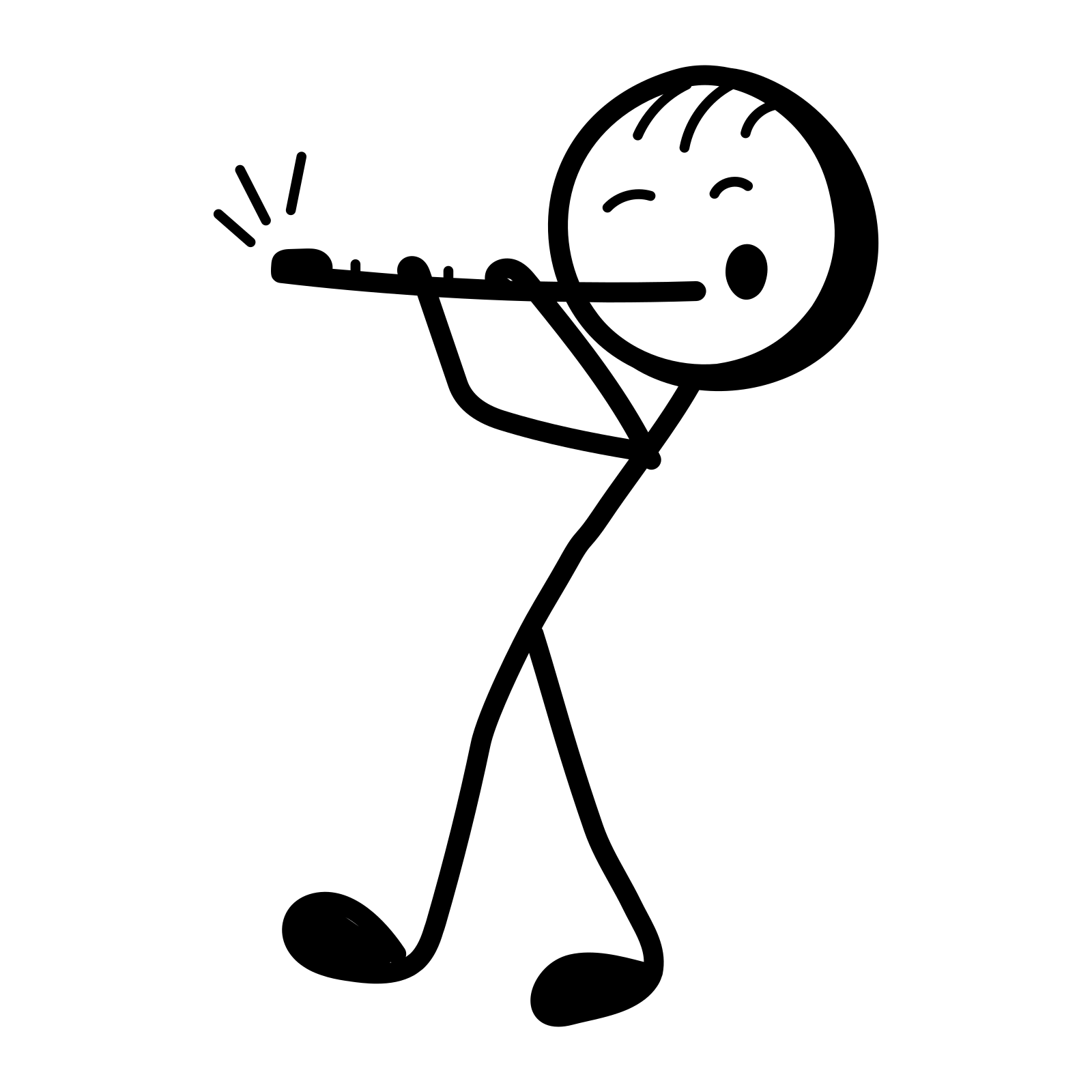
Comfortable posture and hand position

Breath control and steady airflow
Embouchure shaping for clear tone
Reading recorder notation
Finger coordination and accuracy

Articulation and tonguing skills
Scales, patterns and technique
Aural skills and pitch awareness
We’ll cover correct hand position, breath control, clean articulation, and a simple practise routine so you can produce a clear tone straight away.
Most beginners start on soprano because it’s common and affordable, but alto can be a great option for older students or anyone who prefers a warmer sound.
Most kids can start once they can comfortably cover the finger holes and focus for a short lesson, usually around early primary school age.
Adults often find the recorder a rewarding instrument to learn or return to, and progress can be surprisingly quick with structured, personalised lessons. While it is accessible for beginners, the recorder also offers depth through technique, expression, repertoire, and musicianship.
Yes. Cello music is primarily written in bass clef. It’s easy to learn with consistent use and becomes second nature quite quickly.
Squeaks usually come from blowing too hard, leaking holes, or unclear tonguing – your teacher will fix this fast with small technique tweaks.
Baroque fingering is generally the standard for better tuning and more consistent fingering patterns; your teacher can recommend what suits your goals.
Plastic is usually best to start: affordable, durable, and stable in different temperatures; you can upgrade later if you want a more refined tone.
Short, consistent practise (most days) builds tone and finger coordination much faster than occasional long sessions.
A recorder in good condition, a cleaning rod (or swab), and a music stand is enough – we’ll guide you on anything else as needed.
With regular practise, most students can play simple songs fairly quickly, then build range, speed, and tone control over time.
Yes – online lessons work well for tone, fingering, reading, and guided practice, as long as your camera angle and audio are set up properly.
My daughter plays recorder in her school orchestra, and these recorder lessons helped her sound cleaner and more confident in rehearsals. My daughter plays recorder in her school orchestra, and these recorder lessons helped her sound cleaner and more confident in rehearsals. Her tone is steadier, her rhythm is more accurate, and she’s keeping up with the ensemble far more comfortably.
My son’s just finished AMEB Grade 4, and these recorder lessons have honestly helped so much. His tone’s cleaner, his rhythm’s steadier, and he’s way more confident when he’s practising and performing.
In your first lessons, your teacher will help you develop comfortable posture, correct flute positioning, and the breath support needed to produce a clear tone. You’ll learn how to form a relaxed embouchure, create your first notes, and understand basic fingerings while beginning to play simple melodies. Early lessons focus on building healthy technique and making sure your flute feels natural and enjoyable to play.
Typical focus: flute assembly and posture, embouchure, breath support, first notes, fingerings, simple melodies, basic music reading