


Matthew
Seven Hills
Sydney Music Lessons connects students across Sydney with experienced, carefully vetted flute teachers. We match you with a local instructor based on your suburb, schedule, and learning goals, making it easy to find lessons that fit around your lifestyle.
Our flute teachers offer private lessons from their home studios, travel to students’ homes, or teach online, depending on your preference and the teacher’s availability. If you are looking for lessons in the Inner West, we have wonderful options available throughout Marrickville and Dulwich Hill. For those based in Western Sydney or the St. George area, we have private in-person sessions in Seven Hills and Punchbowl, as well as dedicated online lessons streaming out of Hurstville. We also offer home visits and studio openings across the North Shore and Eastern Suburbs, specifically covering South Turramurra and Queens Park.
Whether you’re learning the flute for the first time, preparing for AMEB exams or HSC Music, returning after a break, or simply playing for enjoyment, we’ll match you with a teacher who suits your experience level, musical interests, and budget, with no obligation.
 View Teachers

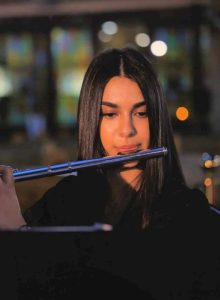
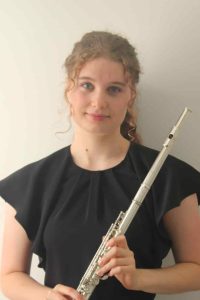
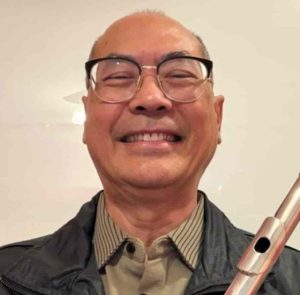

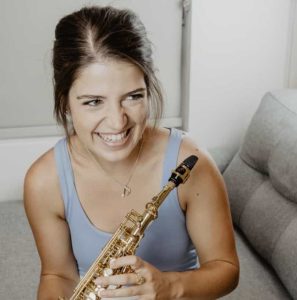
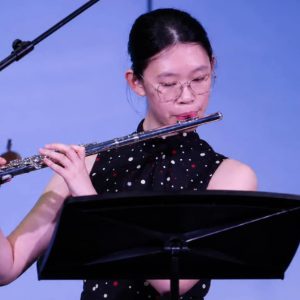
Whether you’re looking for flute lessons for children or flute lessons for adults, our teachers tailor every lesson to your experience, goals, and musical interests.
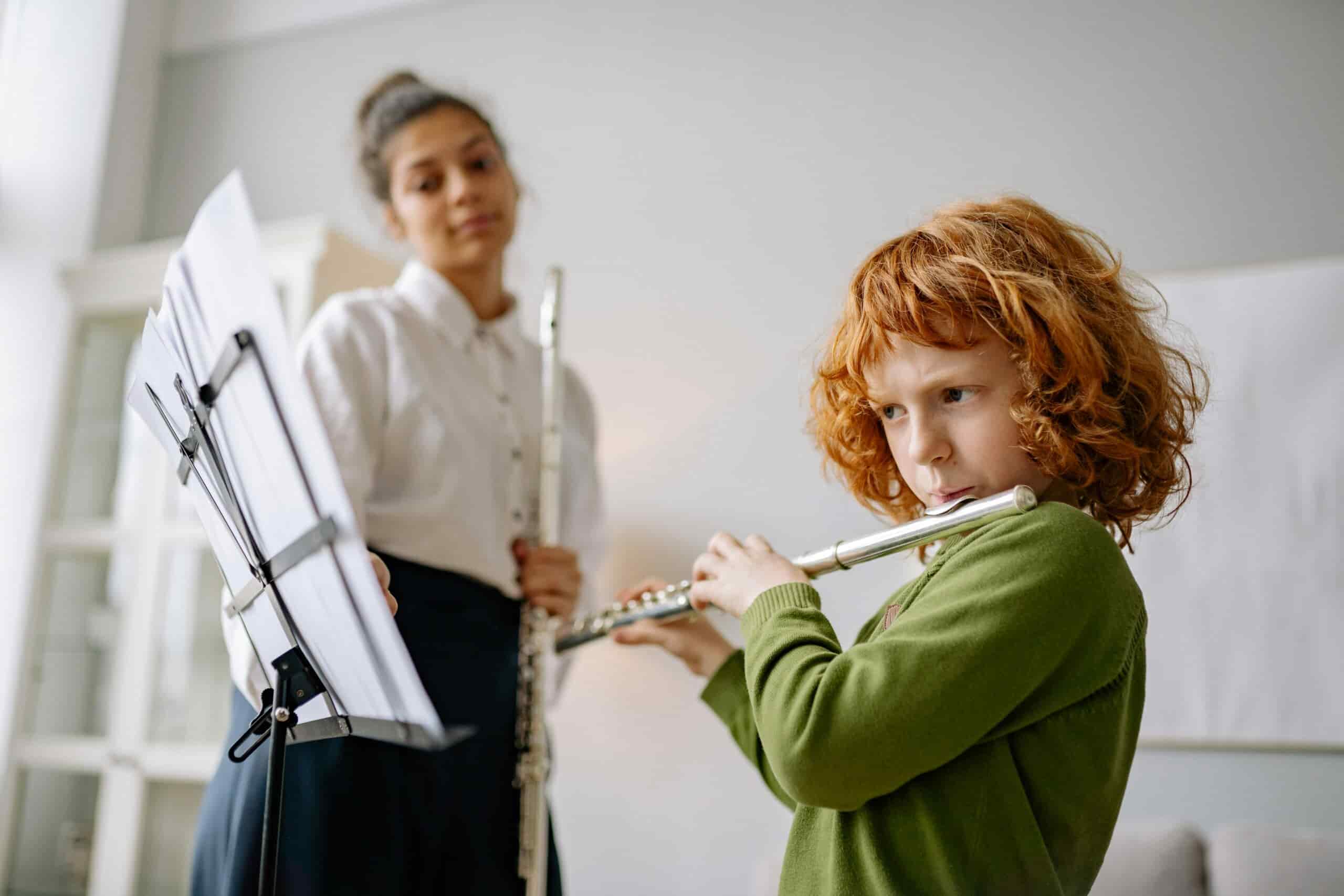
For children, lessons focus on building strong fundamentals in a fun, encouraging environment. Students develop good posture, breath control, tone, rhythm, and music reading skills through engaging repertoire and carefully structured learning. As confidence grows, many students choose to work towards AMEB exams, school band auditions, or HSC Music, while others simply enjoy learning for the love of music. We take care to match every child with a flute teacher whose teaching style keeps them motivated and excited to learn. Students interested in exploring another woodwind instrument may also enjoy our clarinet lessons.
For adults, flute lessons are designed around your individual goals, whether you’re learning for personal enjoyment, returning to the instrument after a break, or developing your skills for auditions or performance. There is no expectation to sit exams unless that’s something you want to pursue. Many adult students are surprised by how quickly they progress with personalised, one-on-one tuition built around the music they enjoy playing.
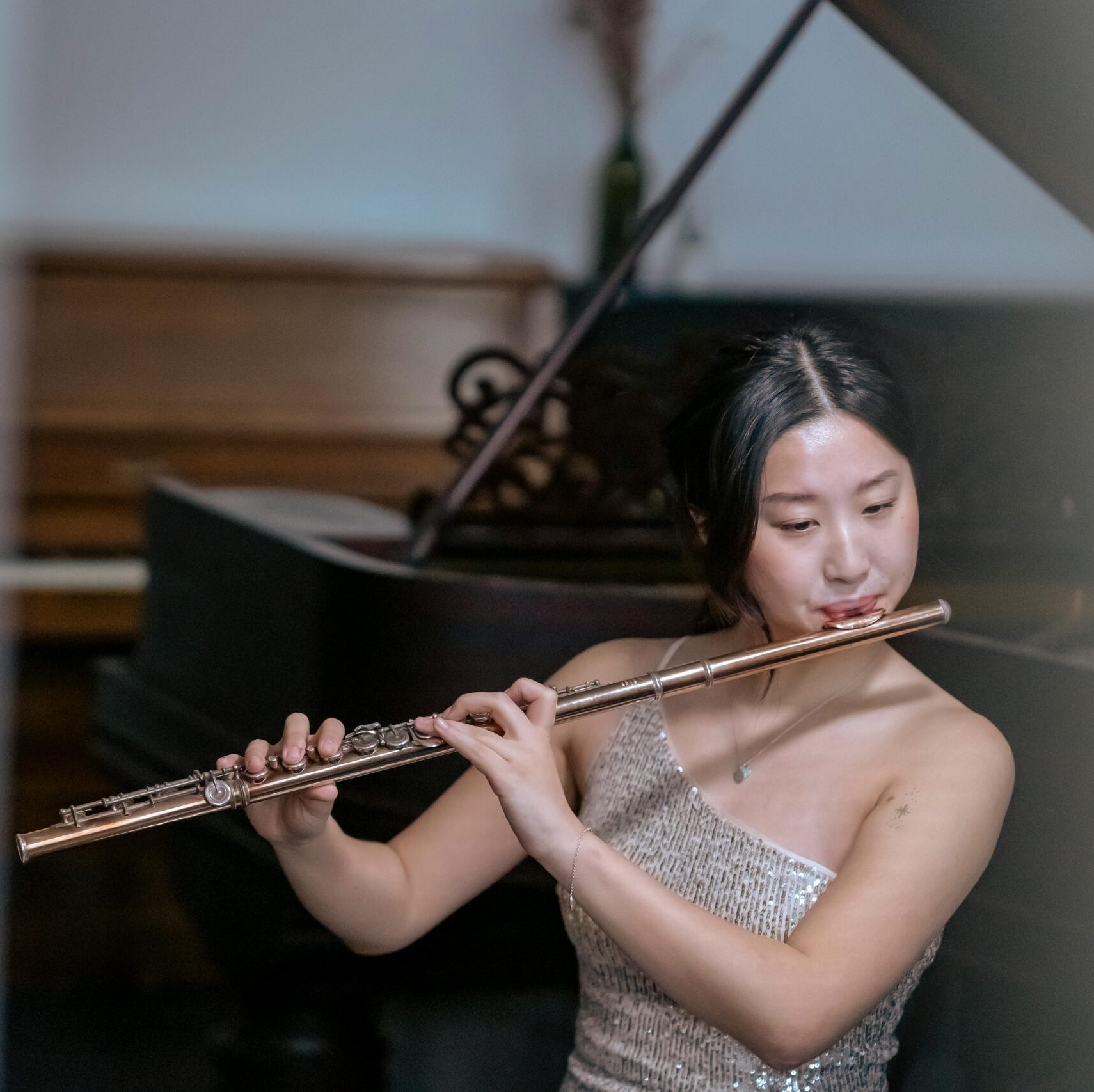
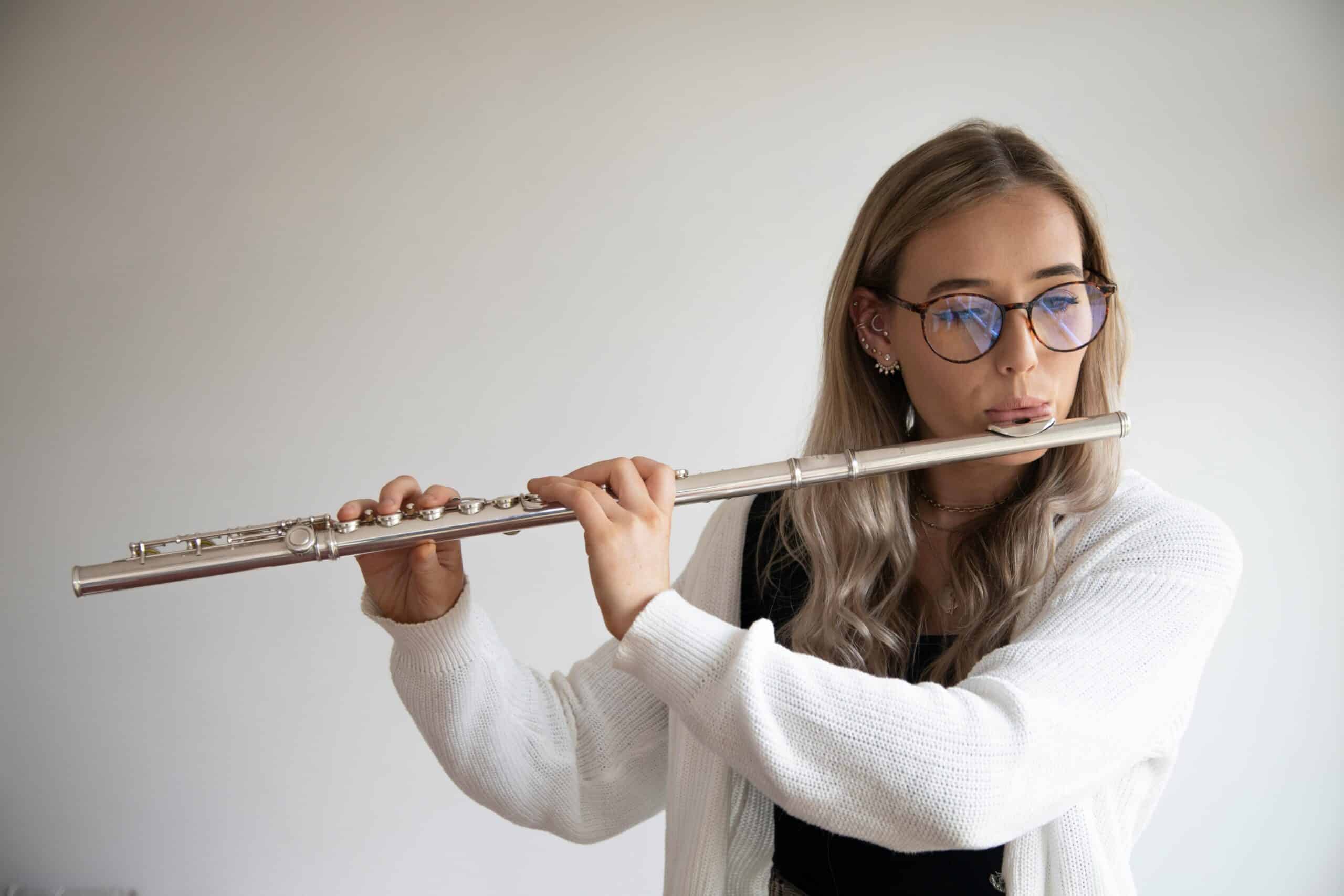
Flute lesson costs in Sydney typically range from $80 to $110 per hour, depending on the teacher’s experience, qualifications, lesson format, and location. Most students pay within this range for an experienced, professional flute teacher who provides personalised one-on-one tuition.
Several factors influence the price of flute lessons:
Experience and qualifications: teachers with conservatorium training, extensive performance experience, or many years of teaching will generally charge more than those earlier in their careers. Both can be excellent choices depending on your goals and budget.
Lesson length: most flute lessons run for 30, 45, or 60 minutes. Younger beginners often start with 30 minute lessons, while older students and adults typically benefit from longer lessons to develop technique, repertoire, and musicianship.
Online vs in-home: online flute lessons can sometimes be slightly more affordable than in-home lessons, as there are no travel costs involved. Many students also choose lessons at their teacher’s home studio, which offers a dedicated learning environment.
At Sydney Music Lessons, our flute teachers typically charge between $80 and $110 per hour. We carefully select experienced, vetted teachers who build strong foundations from the beginning, helping students progress with confidence. When you enquire, we’ll match you with teachers in your area and price range, so you can choose the right fit with no obligation.
Our flute teachers offer both online and in-person flute lessons across Sydney, giving you the flexibility to learn in the way that suits you best. Many teachers provide lessons from their home studio, travel to students’ homes, or teach online, while others specialise in a particular lesson format. All options are highly effective.
When you enquire, we’ll match you with a flute teacher who offers your preferred lesson format, is located near you, and suits your goals, schedule, and budget.
Posture and relaxed hand position

Breath support and airflow control
Embouchure shaping and tone
Reading flute notation confidently
Rhythm, timing and articulation
Smooth finger coordination
Scales, patterns and technique
Aural skills and listening awareness
The flute feels tricky at first because sound production is very sensitive, but it’s not “hard” when it’s taught properly. In flute lessons, most beginners get a usable tone quickly, then improve consistency and control week by week.
You’ll usually cover how to hold the instrument comfortably, how to form the embouchure, and how to get your first clean notes without forcing. A good first lesson also sets a simple practice plan so you know exactly what to do between sessions.
Many kids start around primary-school age once they have the arm length and focus to hold the flute comfortably. If the student is younger or smaller, a teacher may suggest a curved headjoint or another option until the standard flute fits well.
Yes. Adults often progress well because they practise more deliberately and follow feedback closely. The main focus early on is comfort, breathing efficiency, and building stamina without tension.
You can learn basic songs within weeks, but tone, tuning, and smooth fingerwork develop over months. With regular flute lessons and consistent practice, most players feel genuinely confident within the first year.
Consistency beats long sessions. For beginners, 10-20 minutes most days is usually better than one long practice once a week. As your stamina grows, your teacher can gradually increase the workload.
The big ones are blowing too hard (which makes tone thin), squeezing the embouchure, collapsing posture, and lifting fingers too far off the keys. Flute lessons fix these with small technique adjustments that make a huge difference.
Most beginners start on a C concert flute with a closed-hole (plateau) model, offset G, and a C-footjoint. If you’re unsure, it’s worth asking your flute teacher before buying so you don’t waste money on the wrong setup.
Flute lessons vary mainly by teacher experience, lesson length, and whether travel is involved for in-home lessons. A good setup will confirm the exact rate upfront so you know what you’re paying before you book.
You can start on your own, but most people hit the same bottlenecks fast: breathy tone, unreliable notes, and tension in the hands/shoulders. Flute lessons shortcut that by fixing your embouchure, airflow, posture, and finger technique early, before bad habits lock in.
We’ve had a great experience with Danielle as our daughter’s flute teacher. She’s very friendly and helped our daughter build confidence in her playing. Danielle explains things in a way that’s easy to understand and we’ve noticed a big improvement in Celina’s playing. I would recommend her to anyone looking for a flute teacher.
She’s so patient and takes the time to explain everything clearly, which makes learning so much easier. Highly recommend her to anyone wanting to learn with confidence!In your introductory flute lessons, your instructor will guide you through secure instrument assembly, proper hand placement, and establishing a comfortable body alignment so everything feels natural. Beginner flute lessons place a heavy emphasis on producing a steady, clear tone through early embouchure (lip shape) practice and simple note reading. Most students find themselves playing recognizable melodies and reading basic rhythm structures within their very first few sessions.
Typical focus: instrument assembly and care, tone production, basic air support, introductory music reading, simple melodies