

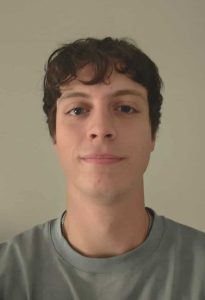
Matthew
Seven Hills
Sydney Music Lessons connects students across Sydney with experienced, vetted trombone teachers. We match you with a local trombone teacher based on your suburb, schedule, experience level, and musical goals, making it easy to find lessons that fit around your life.
Our trombone teachers offer private lessons from their studios, travel to students where available, or online lessons, depending on the teacher and your preference. We have dedicated trombone teachers across Sydney, including Seven Hills, Epping, Riverview, and Croydon, with online options available for students who prefer flexible learning from home.
Whether you are a complete beginner, a school band student, preparing for an audition, or returning to the instrument after a break, we will match you with a teacher who suits your goals. Trombone lessons focus on developing breath support, tone production, slide technique, range, rhythm, music reading, and performance confidence at every stage of learning.
 View Teachers
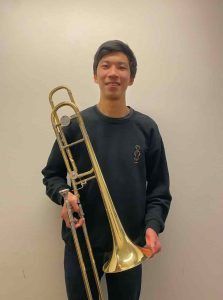
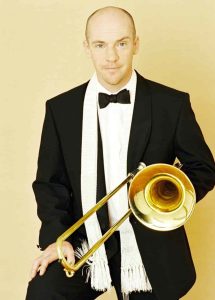
Whether you’re looking for trombone lessons for kids or trombone lessons for adults, our teachers tailor every lesson to your age, experience, and musical goals.
For kids, lessons focus on building strong fundamentals in a fun and encouraging environment. Students learn correct posture, breathing, embouchure, slide technique, rhythm, and music reading through engaging exercises and age-appropriate repertoire. As their confidence grows, many students choose to work towards school band performances or AMEB examinations, while developing skills that will support them for years to come. Trombone lessons will teach you the intricacies of a deeper and richer sound, whereas our trumpet lessons offer a brighter and punchier tone as another popular learning pathway for brass instruments.
For adults, lessons are designed around your individual goals and interests. Whether you’re picking up the trombone for the first time, returning after a break, preparing for auditions, simply learning for enjoyment, or to understand brass parts for music composition in the future, our teachers will create lessons that suit your pace and preferred style of music. There’s no pressure to sit exams unless that’s something you’d like to pursue; our focus is helping you build confidence and enjoy making music from the very first lesson.
In Sydney, trombone lessons typically range from $70 to $140 per hour, with lesson fees varying based on the teacher’s experience, qualifications, and lesson location. Most students can expect to pay between $80 and $120 per hour for lessons with an experienced trombone teacher, offering a balance of high-quality instruction and value.
At Sydney Music Lessons, trombone lesson prices range from $90 to $140 per hour, depending on the teacher’s experience and location. We focus on connecting students with experienced teachers who provide a strong musical foundation from the very first lesson. When you enquire, we’ll recommend teachers in your area and preferred price range, giving you the flexibility to choose the right teacher with no obligation.
Trombone lessons built around your goals: from playing for enjoyment to preparing for exams and assessments.
Our trombone teachers offer both online trombone lessons and in-person lessons across Sydney. Many of our teachers provide both lesson formats, while others specialise in either online or face-to-face teaching. While both options are effective, in-person lessons can be particularly beneficial for beginners, as teachers can provide immediate feedback on posture, embouchure, breathing, and slide technique.
When you enquire, we’ll match you with a trombone teacher who offers your preferred lesson format, is located near you, and fits your budget.
Learn trombone online via Zoom, Google Meets, or your preferred platform from home
More affordable than in-person in most cases
Wide variety of online trombone teachers to choose from any location
No cancellations due to traffic or travel delays
Online trombone lessons available Australia-wide
Ideal for adults, returning players, and regional students
Flexible scheduling that fits around busy work or school schedules
Easy access to specialist online trombone teachers regardless of your location
Breath support for steady sound
Embouchure shaping without tension
Smooth, accurate slide movement
Comfortable posture and hand setup
Clear articulation and tonguing control
Intonation awareness across positions
Reading trombone notation confidently
Expressive tone across all dynamics
A beginner lesson focuses on setup (posture, breathing, embouchure), getting a clear first tone, and learning simple slide movement with basic rhythm and reading. You’ll leave with a short practice plan so you know exactly what to do between lessons.
Weekly is ideal for momentum and accountability, especially early on. Fortnightly can work if you practise consistently and want a slower pace.
Yes. A good teacher starts from fundamentals and builds step-by-step: sound production, timing, reading, then musical phrasing. You don’t need prior theory knowledge to start.
Most kids can start once they’re physically comfortable holding the instrument and can focus for the lesson length. If size/weight is an issue, a teacher can recommend a suitable instrument option and lesson format.
Not necessarily. Many students start by renting, or they take the first trombone lesson to confirm the right instrument choice. Your teacher can help you avoid buying the wrong size/setup.
They can be, especially for tone work, reading, rhythm, musicality, and structured practice routines. In-person can be easier for quick physical adjustments, but online still works well with a good camera angle and clear audio.
Consistency beats volume. Even 15–25 minutes most days can move you forward if you’re practising the right things, in the right order. Lessons should give you a clear weekly plan, not vague “just practise more”.
Yes—tone, breath support, articulation, and range are core lesson topics. The difference is doing it systematically, so you’re not guessing what exercises actually work for you.
Short, regular practice is best. Even ten minutes a day builds progress faster than one long weekly session.
That usually means the practice method is off-too many things at once, not enough feedback, or the wrong difficulty level. A good teacher quickly diagnoses the bottleneck and resets your plan so each week feels measurable.
Most people feel improvements in clarity of sound, confidence, and control within the first few lessons—because the fundamentals get cleaned up fast. Bigger goals (range, endurance, advanced pieces) build over months, but with a solid routine, you’ll feel steady forward movement.
Just put our daughter through AMEB grade 3, thank you Sydney Music Lessons we have a great teacher and plan on continuing lessons.
I'm really enjoying trombone, I used to play as a kid and retained a lot of my skill. Thank you for the teacher.
In your first lessons, your teacher will help you establish comfortable posture, effective breathing, and a relaxed embouchure so you can produce a clear sound without unnecessary tension. You’ll learn basic slide positions, clean note starts, and simple melodies from the beginning, focusing on developing a centred tone and steady airflow while building confidence on the instrument.
Typical focus: breath support, embouchure, posture, slide positions, tone production, first tunes