

Josh
Hurstville
Sydney Music Lessons connects students across Sydney with experienced, vetted music composition teachers. We match you with a local teacher based on your suburb, schedule, experience level, and creative goals, making it easy to find lessons that fit around your life.
Our composition teachers are based throughout Sydney, offering lessons from their home studios, travelling to students, or teaching online depending on the teacher and your preference. We have composition teachers located across the Inner West, North Shore, Eastern Suburbs, Western Sydney, South West Sydney, Sutherland Shire, Hills District, and Sydney CBD. We have dedicated teachers in Hurstville, Bondi Junction, Seaforth, Marrickville, Parramatta, North Ryde, Redfern, Strathfield, Naremburn, Ultimo, Epping, Wahroonga, Miranda, Rose Bay, Leichhardt, Cremorne, and many surrounding suburbs.
 View Teachers

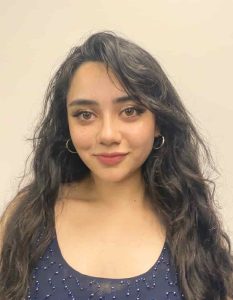
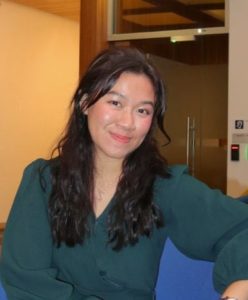
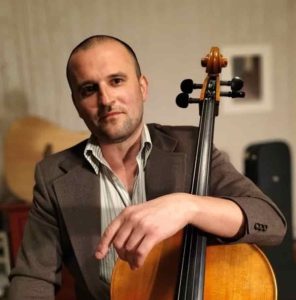

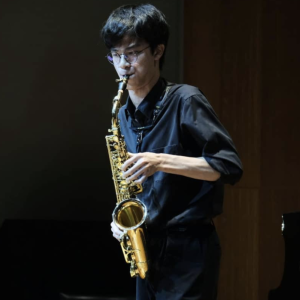
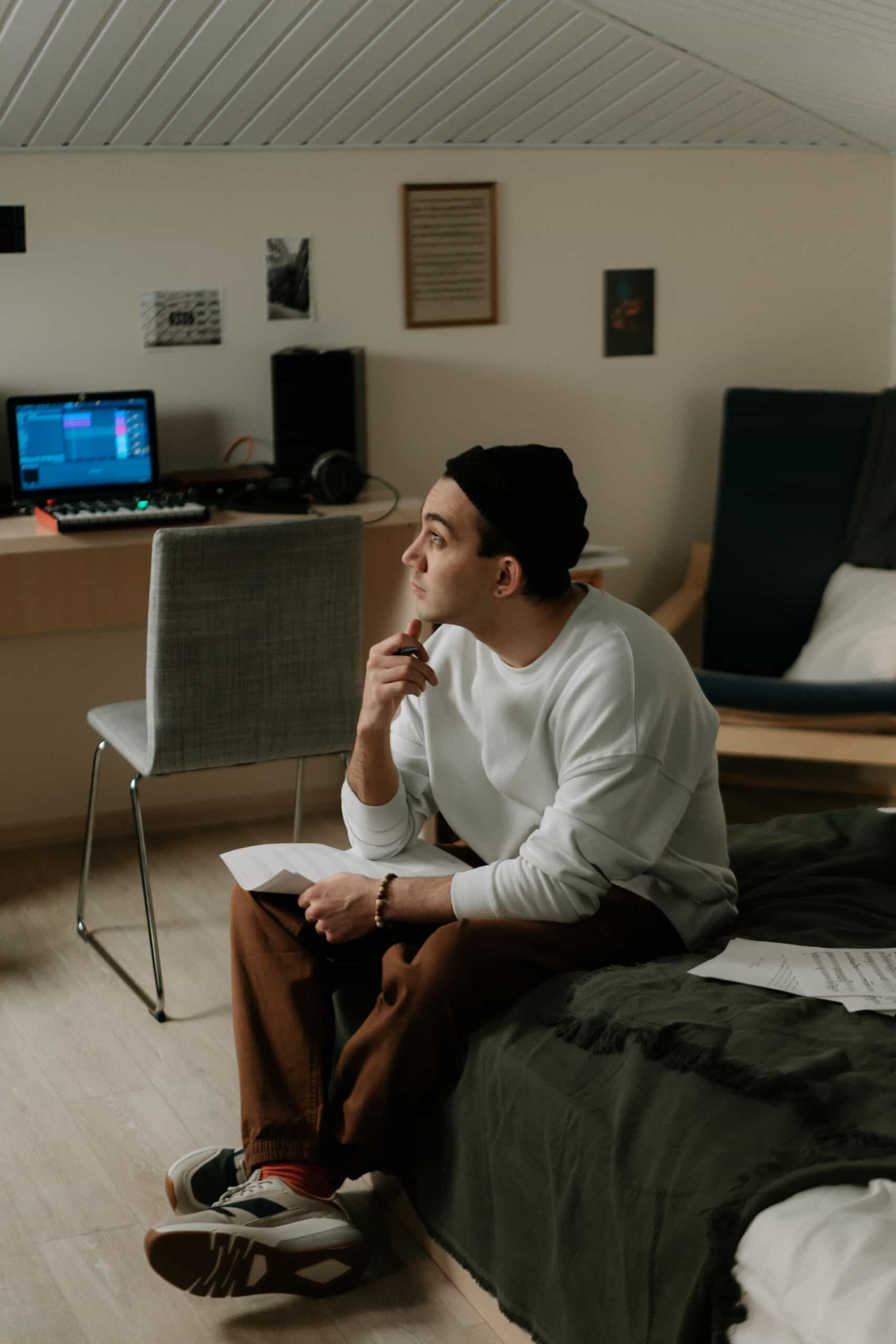
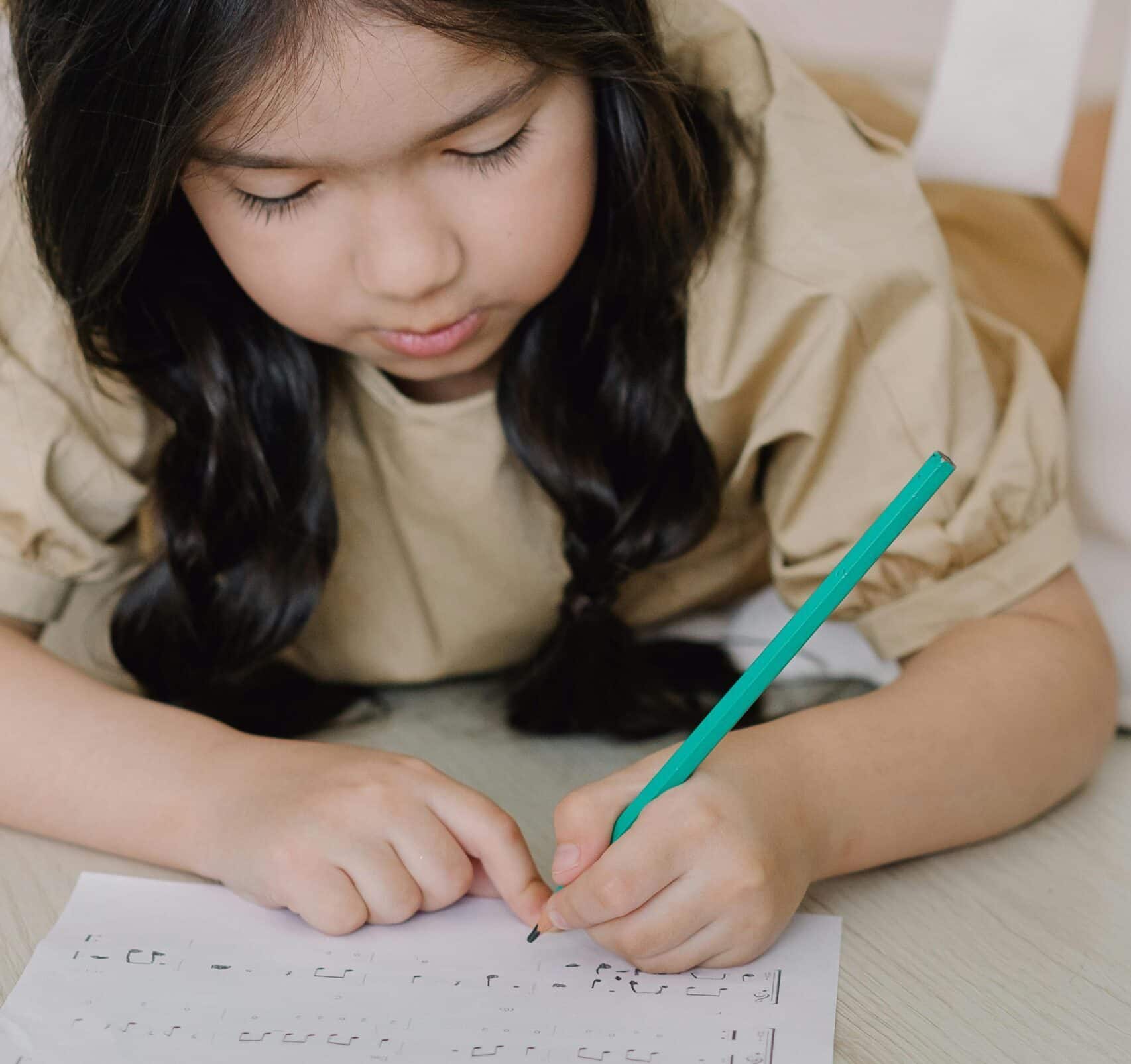
Music composition lesson costs in Sydney typically range from $60 to $160 per hour, depending on the teacher’s experience, qualifications, lesson format, and area of specialisation. Most students choose a teacher whose background aligns with their goals, whether that’s songwriting, HSC Music, orchestration, film scoring, music production, or developing original compositions.
Several factors influence the price of music composition lessons:
Experience and specialisation: teachers with professional experience in composition, orchestration, songwriting, music production, or tertiary-level teaching may charge more due to their specialist knowledge and industry experience.
Lesson length: composition lessons are commonly available in 30, 45, or 60 minute sessions. Some students prefer shorter weekly lessons for feedback and idea development, while others choose longer sessions to work through complete compositions in greater depth.
Online vs in-person: online composition lessons make it easy to share scores, recordings, and notation software while learning from specialist teachers anywhere in Sydney. In-person lessons provide a collaborative environment for developing ideas and receiving immediate creative feedback.
At Sydney Music Lessons, our composition teachers range from $60 to $160 per hour. When you enquire, we’ll match you with teachers in your area and price range, helping you find the right fit with no obligation.
Our music composition teachers offer both online and in-person lessons across Sydney, giving students the flexibility to choose the format that best suits their creative goals, schedule, and learning style. Many of our teachers offer both options, while some specialise in one particular format. For composition, both approaches work well, as lessons are often focused on developing ideas, analysing music, reviewing scores, and receiving detailed feedback on your creative work.
When you enquire, we’ll match you with a teacher who offers the lesson format you prefer, fits your goals, and suits your location and budget.
Melody writing and motif development
Harmony, chords, and voice leading
Form, structure, and phrasing
Counterpoint and musical texture
Orchestration and instrument ranges
Style and genre composition techniques
Notation Software (Sibelius, Musescore, etc.)
Revision skills and finishing pieces
You’ll talk through your goals, listen to references, start a short piece, and learn a simple workflow for developing ideas into sections.
Not necessarily. You can start by composing in a DAW or by ear, and learn notation progressively.
Yes. Teachers can guide you through classical, cinematic, jazz, pop, electronic, game music, and more.
Yes. You’ll learn practical harmony that supports melody and emotional direction.
Yes. You’ll learn instrument ranges, textures, and how to distribute parts clearly.
Absolutely. Bringing sketches is often the fastest way to learn what’s missing and how to fix it.
Yes. Lessons can include cue writing, pacing, hit points, and building tension and release.
Yes. You can learn clean score layout and parts preparation (often using notation software).
You’ll learn development techniques: variation, modulation, texture changes, counter-melody, and structural contrast.
If you write consistently and apply feedback weekly, most students notice clear improvement within a few weeks.
No, but you’ll learn the theory that actually helps you write. In music composition lessons, theory should be practical: “here’s why this chord works” and “here’s how to build tension and release,” not textbook overload.
There isn’t one. Kids can start with simple patterns and “call and response” writing; teens/adults often progress faster because they can analyse references and stick to a plan. If you’re motivated, you’re not late.
Bring 1-3 songs you love (your “target sound”) and any sketches you’ve started, even if they’re rough. If you’ve got a DAW setup, have it ready – but you can still start without a perfect studio.
I had a lot trouble with understanding composition and want to get a good mark for HSC. Thankyou to Sydney Music Lessons for finding me a good teacher.
Thank you Luka, Sydney Music Lessons is great to find music composition teachers, I chose one near where I live and I'm very happy with him.
Your teacher will introduce the core building blocks of composition, including melody, harmony, rhythm, structure, and musical form. You’ll learn how to develop simple musical ideas, write short original pieces, and understand the techniques composers use to create memorable music. Lessons are practical and creative from the beginning, helping you build confidence while developing your own musical voice.
Typical focus: melody writing, rhythm, harmony, chord progressions, musical form, first compositions