

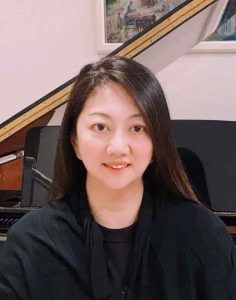
Brenda
Epping
Sydney Music Lessons connects students across Sydney with experienced, fully vetted euphonium teachers. We match you with a local euphonium teacher based on your suburb, availability, experience level, and musical goals, helping you find lessons that fit naturally around your schedule.
Our euphonium teachers offer private lessons from their studios, travel where available, or online lessons depending on the teacher and your preference. We currently have dedicated euphonium teachers in Epping and Croydon, with online options available for students who prefer flexible learning from home. As our teacher network continues to grow, we connect students with trusted brass specialists across Sydney.
Whether you are a beginner learning euphonium for the first time, a school band student developing your skills, or an experienced player preparing for performances, exams, or auditions, we’ll help match you with the right teacher. Euphonium lessons focus on developing tone production, breath support, embouchure, articulation, range, music reading, and performance confidence at every stage of learning.
 View Teachers
Whether you are looking for euphonium lessons for kids or euphonium lessons for adults, our teachers tailor each lesson to your experience level, musical interests, and goals.
For children, euphonium lessons focus on developing strong foundations through correct breathing, posture, embouchure, and tone production. Many young euphonium players begin through school bands, where lessons help them build the technique, confidence, and musicianship needed for ensemble playing, performances, and future opportunities.
For adults, euphonium lessons offer a flexible way to learn a new instrument, return to playing after a break, or improve existing skills. Whether you are joining a community band, preparing for performances, or learning simply for enjoyment, lessons are structured around your pace and goals. Many euphonium students also explore related brass instruments such as trumpet to broaden their musicianship and technical understanding.
Euphonium lesson costs in Sydney typically depend on the teacher’s experience, qualifications, location, and lesson format. At Sydney Music Lessons, euphonium lessons are available from $120 per hour, with specialist brass teachers providing personalised instruction based on each student’s goals.
Several factors influence the price of euphonium lessons:
Experience and qualifications: Teachers with extensive brass performance experience, specialist training, or experience preparing students for ensembles, exams, and auditions may charge based on their expertise.
Lesson length: Most euphonium lessons are available in 30, 45, or 60-minute formats. Younger students often begin with shorter lessons while building stamina and technique, while more advanced players may benefit from longer sessions focused on repertoire and performance skills.
Location and format: In-person lessons provide direct feedback on posture, breathing, embouchure, and sound production, while online lessons offer flexibility and access to specialist teachers regardless of location.
At Sydney Music Lessons, our euphonium teachers are carefully matched to your goals, experience level, and preferred lesson format. When you enquire, we’ll help you find the right teacher with no obligation.

Breath support for warm tone
Embouchure shaping without pressure
Smooth, accurate valve technique
Comfortable posture and hand setup
Clean articulation and breath timing
Stable pitch across all registers
Reading euphonium notation confidently
Expressive tone and dynamic shaping
In your first session, we’ll fix your setup (posture, breathing, embouchure), get a stable tone happening, then set a simple weekly routine so your euphonium lessons build progress fast.
Yes – lessons are structured so you’re not guessing what to practise; you build sound, rhythm, and technique in a logical order.
Most students notice early improvements in tone and control within the first few lessons, then momentum comes from consistent practise plus targeted feedback.
Many students begin with a rental or borrowed instrument, and your teacher can advise what to buy once you know you’re committed.
Renting is usually the lowest-risk start. If you buy, it’s worth getting guidance so you don’t end up with an instrument that fights you.
They’re closely related, but not identical in feel and sound; in euphonium lessons your teacher can confirm what you’re actually playing and how to approach it musically.
Both show up depending on context (especially band vs brass band style writing). A good teacher can teach whichever you need – and help you switch if required.
You can start on 3, but 4 valves often give better options as you progress (range and tuning). Your teacher can guide the right timing for an upgrade.
Compensating systems can help tuning in certain low-register combinations; it’s not essential on day one, but it matters for some students as they level up.
Yes – breath support is a core focus for low brass, and lessons show you how to practise it efficiently so you don’t gas out mid-phrase.
Consistency beats long sessions. Your teacher will set a realistic plan (often short daily practice), so you improve without burning your chops out.
My daughter has just started euphonium and is already producing a beautiful, warm tone I love listening to at home. Sydney Music Lessons has been very helpful with finding us a great teacher to thank for.
Thank you to Sydney Music Lessons for helping us find a great euphonium teacher near us. My son is doing great in his orchestra and progressing well through AMEB. Thank you.
In your first lessons, your teacher will help you develop comfortable posture, breathing habits, and embouchure control so you can produce a clear, steady sound. You’ll learn how to hold the instrument, use the valves correctly, and begin playing simple exercises and melodies while building good habits from the beginning.
Typical focus: posture, breathing, embouchure, valve technique, tone production, first notes, basic reading