

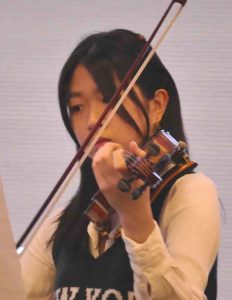
Christine
Chatswood
Whether you’re picking up the violin for the first time, preparing for AMEB exams, or looking to refine your technique, we can help you find a violin teacher who matches your goals and experience level.
We work with dedicated violin teachers across Sydney. We support students throughout the North Shore, Inner West, St. George, Sydney CBD, Western Sydney, and the Sutherland Shire, making it easy to find quality violin lessons close to home.
Our violin teachers are based across a wide range of Sydney suburbs, including Chatswood, Strathfield, Newtown, Canterbury, Miranda, Riverwood, Wolli Creek and Wentworthville, among many others. Simply let us know your location and what you’d like to achieve, and we’ll help find the right violin teacher for you.
 View Teachers

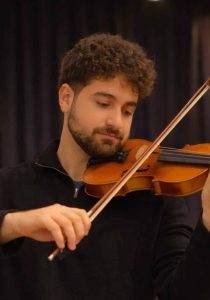

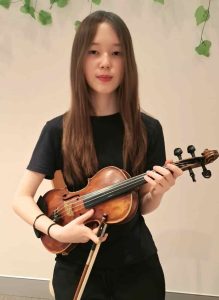
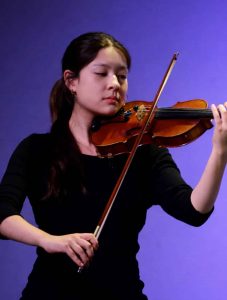
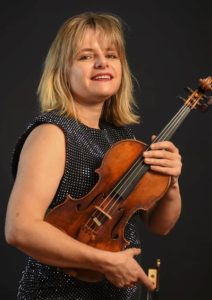
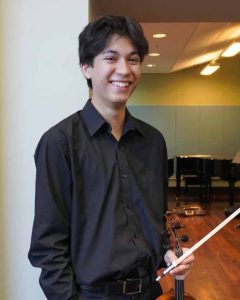
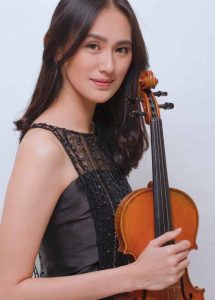
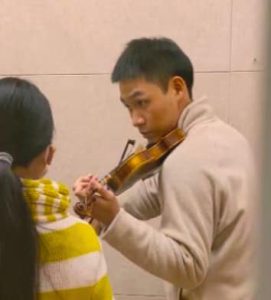
Whether you’re looking for violin lessons for adults in Sydney or violin lessons for kids, we match each student with a teacher who suits their goals, experience level, and preferred learning style.
Many adults are drawn to the violin because of its expressive sound and rich musical tradition. Some students are complete beginners fulfilling a lifelong goal, while others are returning to the instrument after years away. Lessons can focus on classical repertoire, contemporary pieces, technique development, or simply playing for enjoyment. There is no expectation to sit exams unless that’s something you’d like to pursue.
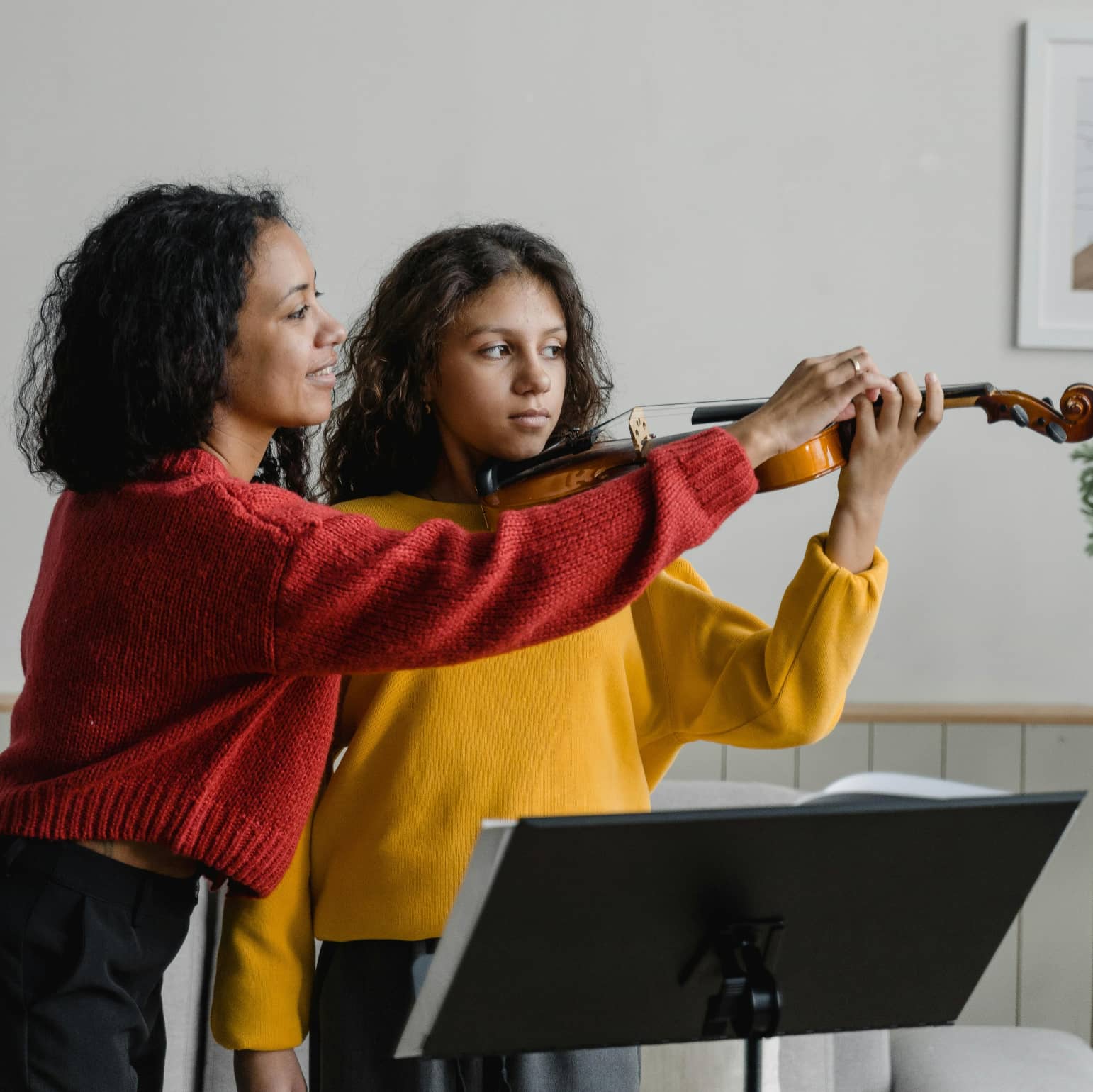
For children, violin lessons focus on developing strong fundamentals from the very beginning. Students learn posture, bow control, rhythm, intonation, and musical listening skills through structured yet engaging lessons. As confidence grows, many students progress to AMEB examinations, youth orchestras, school ensembles, and performance opportunities.
If you’re weighing up both options, take a look at viola lessons in Sydney to see which instrument best matches your interests and goals.
Violin lessons in Sydney typically range from $90 to $150 per hour, depending on the teacher’s experience, qualifications, and lesson format.
What influences the price of violin lessons:
Classical training & qualifications
Violin is a highly specialised instrument, and teachers with conservatorium training, AMEB experience, or orchestral backgrounds often sit at the higher end of the price range.
Lesson structure matters
Most students start with 30-minute lessons, while more advanced players typically move into 45–60 minute sessions for repertoire and technique development.
Teaching format
Pricing can vary depending on whether lessons are held online, in a private studio, or in-home where available.
When choosing a violin teacher, the most important factor is not just price, but how well the teacher can support long-term technical and musical development.
Our violin teachers offer both online violin lessons and in-person violin lessons across Sydney, giving students the flexibility to choose the format that best suits their goals, schedule, and learning style. Both options can be highly effective. In-person lessons are often preferred for beginners, where posture, bow hold, and technique benefit from immediate feedback and correction. Online lessons offer greater flexibility and convenience, making them a popular choice for busy students and those learning from home.
When you enquire, we’ll match you with a violin teacher who offers your preferred lesson format and location.
Proper hand position
Reading notes and sheet music
Left-hand technique and intonation
Rhythm, timing, and bow control
Learning pieces accurately

Effective violin practice methods
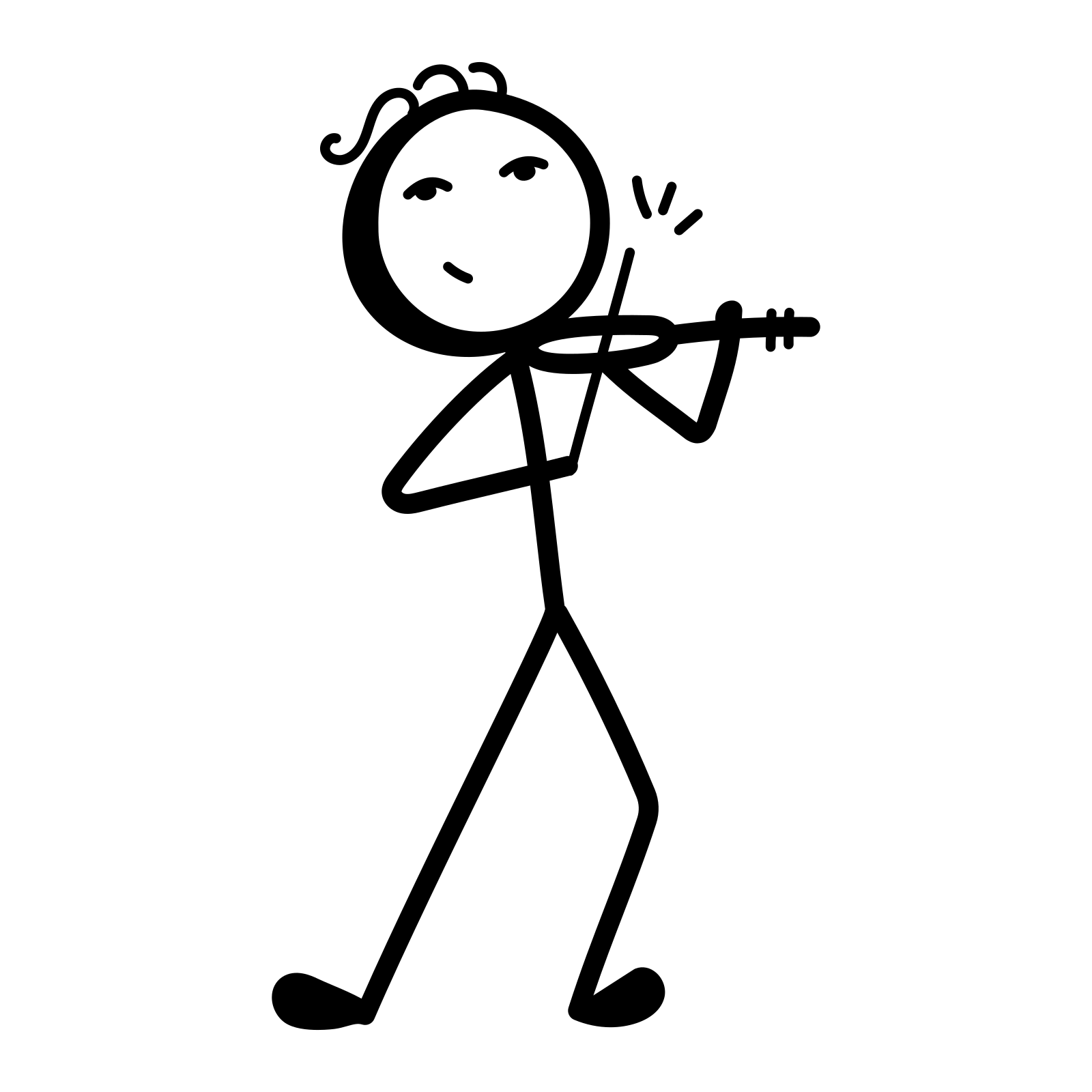
Tone production and musical expression
Aural skills and pitch training
Yes — having your own instrument is essential so you can practise at home. If you’re unsure what to buy, we’ll point you in the right direction so you get something reliable without overspending.
Not at all. Plenty of adults pick up the violin later in life and make steady progress. With clear guidance and consistent practice, age isn’t a barrier.
Most students notice improvement within a few weeks of violin lessons — cleaner tone, better tuning, smoother bowing. Your pace comes down to practice and the quality of your technique.
Tone production and intonation usually feel tricky at first. Both improve quickly once you learn proper bow control, posture, and left-hand technique.
Short and consistent always wins. Even 10–15 minutes a day builds momentum faster than one long weekly session. Your teacher will give you a simple plan so you always know what to focus on.
Violins come in different sizes, especially for kids. We can help you choose the right size based on arm length and comfort, so playing feels natural from day one.
You don’t need anything fancy. A well-set-up student violin is perfect to start with. We’ll help you avoid the cheap, poorly-made ones that cause more frustration than progress.
Yes — and many do. Your teacher can guide you through the exact skills, pieces, and technical work needed if exams are part of your goals.
Absolutely. Classical technique gives you a strong foundation, but you can also learn film music, pop, folk, or anything else you enjoy. Violin lessons are shaped around your style and interests.
In-person violin lessons are recommended as they offer more hands-on guidance with posture and bowing.
There’s no single perfect age, but around 4–7 is the most common “sweet spot” because kids usually have enough attention span, coordination, and willingness to follow instructions.
A better way to decide than “age” is readiness. Your child is usually ready when they can:
focus for 5–10 minutes without constant redirection
copy simple movements (hold position, small bow motions)
handle repetition without getting overly frustrated
follow basic instructions (“stop”, “again”, “gentle”)
show at least some interest in the instrument
have a parent available to supervise practice (especially under ~7)
If they’re not there yet, it’s often smarter to wait a few months than force it and create a negative association.
Yes. Adults can start from scratch and become genuinely good violinists.
The real difference is not “ability”, it’s expectations and consistency:
the beginning feels awkward because violin punishes small errors (intonation + bow control)
adults often progress well because they can practise deliberately and understand feedback
progress is mostly determined by regular practice, not talent
A realistic adult pathway looks like:
first few weeks: getting sound, posture, basic bow control
first few months: cleaner tone, simple pieces, basic intonation
6–12 months: you can sound “musical” on beginner repertoire if you practise consistently
If you want the fastest results: get a teacher early, use a decent setup (ideally rented from a violin shop), and practise most days in short, focused blocks.
My daughter has made excellent progress and enjoys practicing much more now. I would highly recommend him for anyone trying to learn or improve at the violin.Your first violin lessons focus on posture, instrument positioning, bow hold, and producing a clear, confident sound. Beginners start with simple exercises, basic rhythms, and easy melodies while developing good habits that support long-term progress.
Typical focus: posture, bow hold, rhythm, intonation, first melodies