

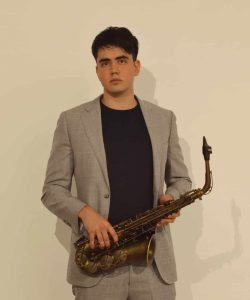
Luka
Kogarah
Sydney Music Lessons connects students across Sydney with experienced, vetted saxophone teachers. We match you with a local teacher based on your suburb, schedule, and goals so lessons fit seamlessly into your life. Our teachers are based throughout Sydney, offering home studio lessons, travelling to you, and online lessons, depending on the teacher and your preference.
We cater to all areas of Sydney including the Inner West, North Shore, Western Sydney, Kogarah, Frenchs Forest and Seven hills. We have dedicated saxophone teachers in Hurstville, Chatswood, Burwood, Epping, and Parramatta, with teachers across many surrounding suburbs as well.
 View Teachers




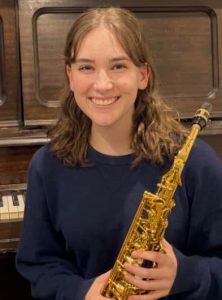
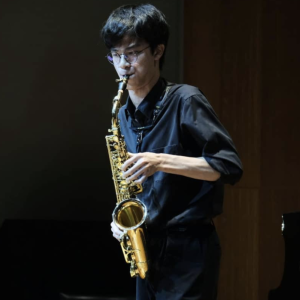
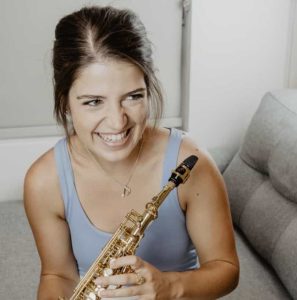
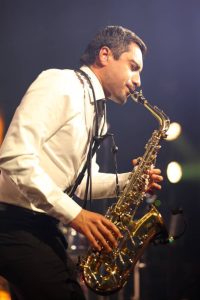
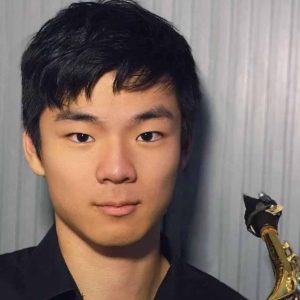

Whether you are looking for saxophone lessons for kids or saxophone lessons for adults, our teachers tailor every lesson to where you are in life and what you want to achieve.
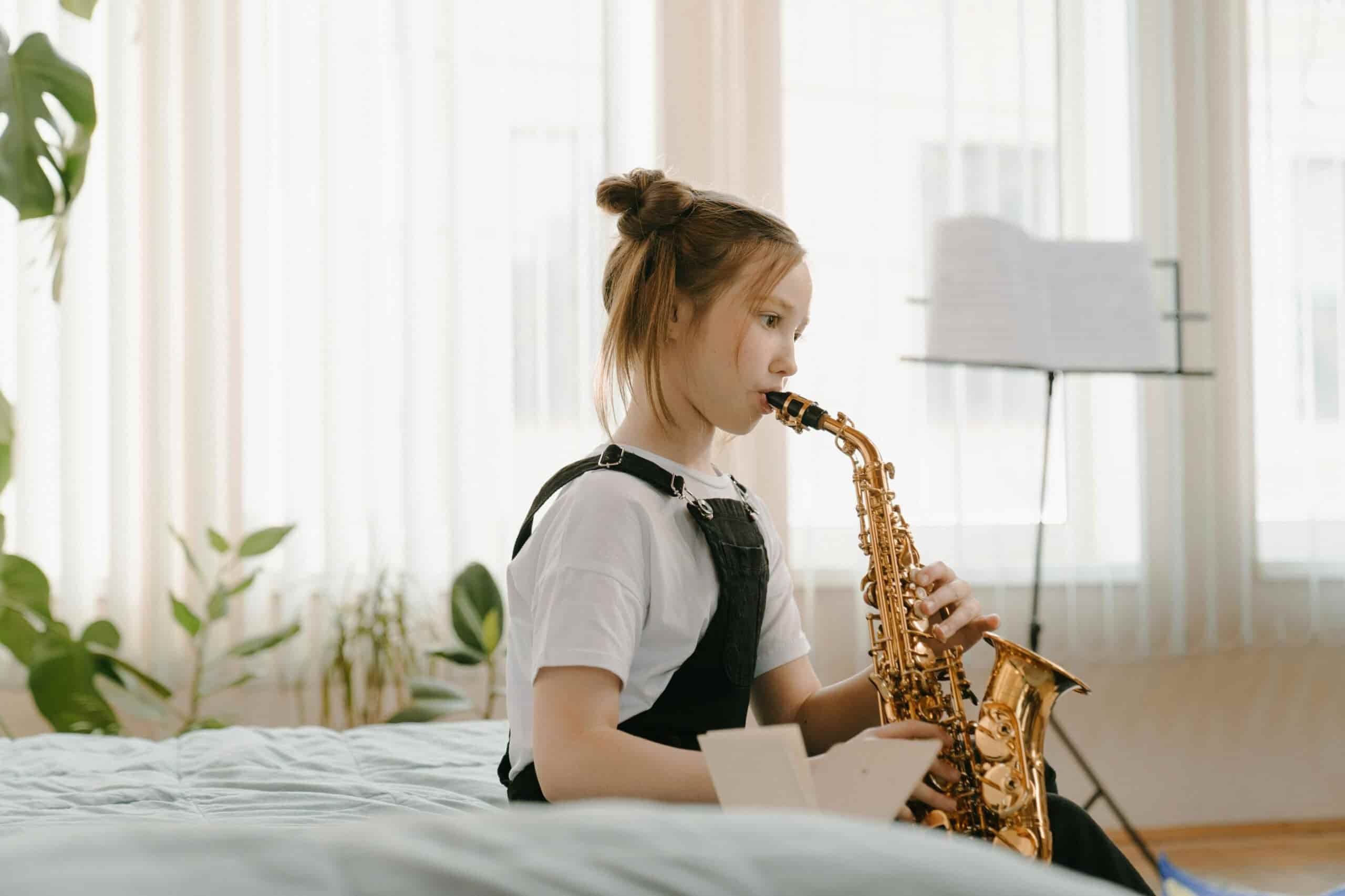
For children and teens, saxophone tuition focuses on building excellent physical habits early. Our saxophone teachers provide the structured guidance needed for school bands, jazz ensembles, and performances. We focus on foundational air support and embouchure (mouth shape) stability so young students don’t develop bad habits. As their confidence and tone grow, many go on to sit AMEB or Trinity exams, well-prepared and exam-ready. We will match your child with a teacher whose personality keeps them motivated from lesson one.
For adults, the approach shifts. Most adults starting beginner saxophone lessons are learning for enjoyment, picking up a new hobby, or returning to the instrument after years away. There is no pressure to perform or sit exams unless that is your goal. We focus on helping you play with a bold, expressive sound, tackling improvisation basics, phrasing, and real songs—whether that’s jazz, pop, funk, or soul. Adult learners often surprise themselves with how quickly they can get a full, characterful sound when guided correctly.
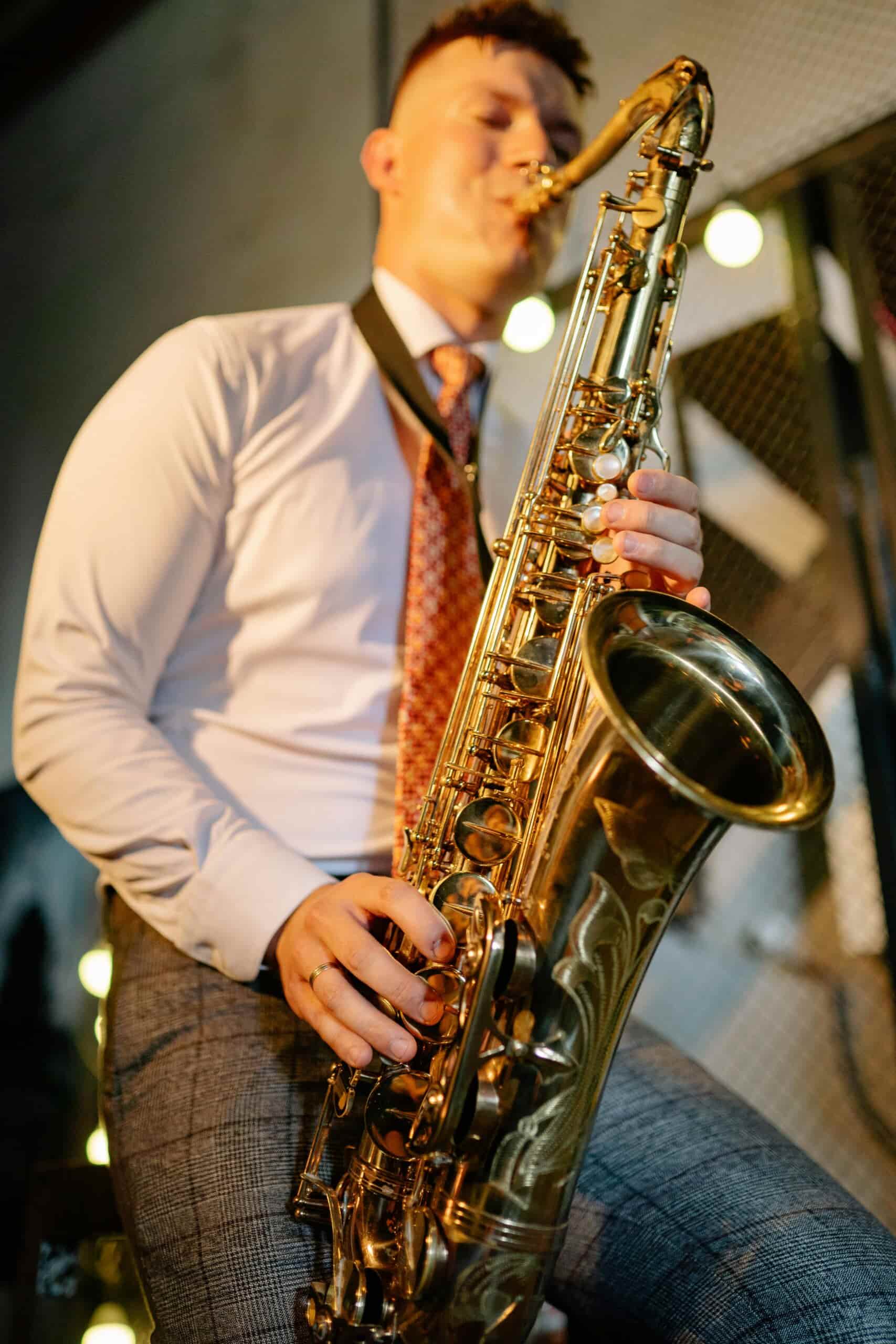
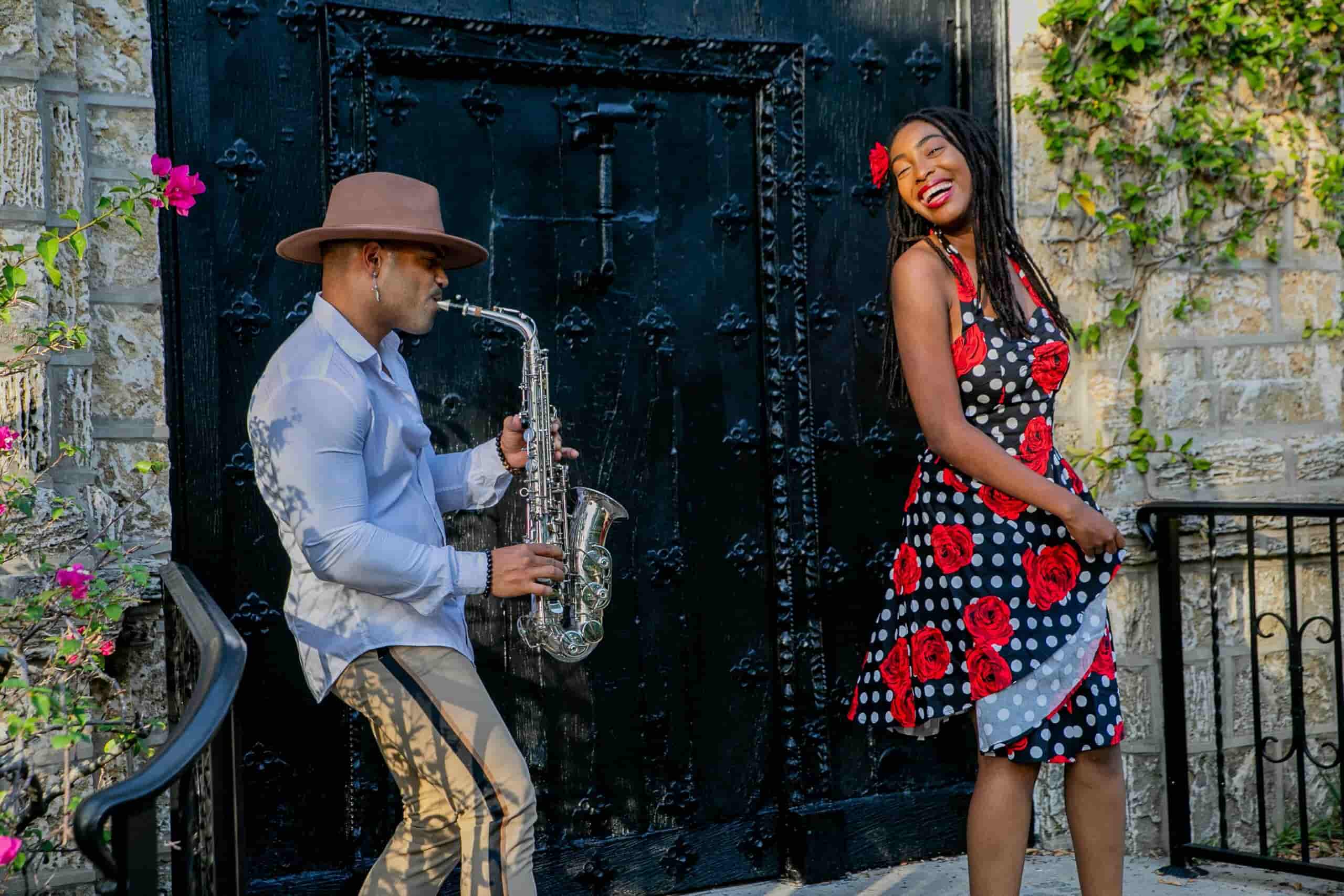
Saxophone lesson costs in Sydney typically range from $50 to $130 per hour depending on the teacher’s experience, qualifications, and location. Most students pay between $90 and $120 per hour for a well-qualified, experienced saxophone teacher. Several factors influence the price of lessons:
Experience and qualifications: A teacher with a conservatorium degree or decades of gigging and teaching experience will generally charge more than someone earlier in their career. Both can be excellent depending on your goals and budget.
Lesson length: Most lessons run 30, 45, or 60 minutes. Younger beginners often start on 30-minute lessons to avoid physical fatigue, while teens and adults typically benefit from 45 or 60 minutes to properly develop tone and technique.
Online vs in-home: Online saxophone lessons are often slightly more affordable than in-home lessons since there are no travel costs involved.
At Sydney Music Lessons, we focus on quality teachers who will prevent you from having to find another teacher to fix bad habits down the track. We also offer other music courses, such as piano and guitar lessons, as well as music production courses for you to choose from your location. When you enquire, we match you with teachers in your area and price range so you can choose the right fit without any obligation.
Our saxophone teachers offer both online lessons and in-person lessons across Sydney, giving you the flexibility to choose the format that suits your lifestyle. For saxophone, both formats work well, though in-person lessons have distinct advantages for absolute beginners where hands-on posture, breathing, and embouchure correction make a massive difference.
When you enquire we match you with a teacher who offers the format you need, in your area and price range.
Learn lessons via your preferred platform from home
More affordable than in-person lessons in most cases
Flexible scheduling that fits around work or school
Ideal for students outside our immediate Sydney coverage
No cancellations due to traffic or travel delays
Wide range of online teachers to choose in Sydney
Online saxophone lessons available Australia-wide
Access to specialist online saxophone teachers
Posture and relaxed hand position

Breath support and airflow control
Embouchure shaping and tone
Reading saxophone notation
Smooth finger coordination
Articulation and phrasing
Scales, patterns and technique
Aural skills and intonation awareness
It’s usually easy to start, but tone, tuning, and control take consistent work to sound genuinely good.
Most students can play basic tunes fairly quickly, but building a solid foundation typically takes months to a couple of years depending on practise consistency.
Most beginners start on alto because it’s smaller, more manageable, and very common for learning resources (tenor can still be fine for many adults).
Setup, posture/strap height, embouchure and breathing, first clean notes, and a simple practise plan you can repeat at home.
Many beginners start around 1.5–2.5, then adjust as embouchure strength and tone control improve.
Common causes are embouchure pressure, fingers not fully sealing keys, or reed/mouthpiece setup issues—your teacher will diagnose it quickly.
Short, consistent sessions (most days) beat occasional long sessions for building tone, finger coordination, and endurance.
Not always—many students begin with a rental or borrowed sax, then buy once they know they’ll stick with it.
Yes. Adults often progress quickly because they can practise more intentionally and understand feedback well.
They can be, especially for tone drills, technique, reading, and guided practice—good mic placement and camera angles make a big difference.
Zoe has been my daughter’s saxophone tutor for the past year. Having no prior experience playing in a band, my daughter was quite apprehensive to begin with. Zoe’s patience, encouragement, genuine care for her students and natural ability to establish rapport with children has motivated my daughter to take a huge leap in her music journey. She now looks forward to her lesson with Zoe each week.
We never have to ask him to practice, he plays for his own pleasure, and with a new confidence.In your first saxophone lessons, we’ll set posture, embouchure, and breath support so your tone is steady (not thin or squeaky). You’ll learn clean note starts, basic finger patterns, and play a simple melody early — so it feels like music from day one.
Typical focus: tone, breathing, embouchure, first scales/patterns, first tunes