

Emily
Wahroonga
Sydney Music Lessons connects students across Sydney with experienced, fully vetted bassoon teachers. We match you with a teacher based on your suburb, availability, experience level, and learning goals, helping you find lessons that are convenient, personalised, and suited to your routine.
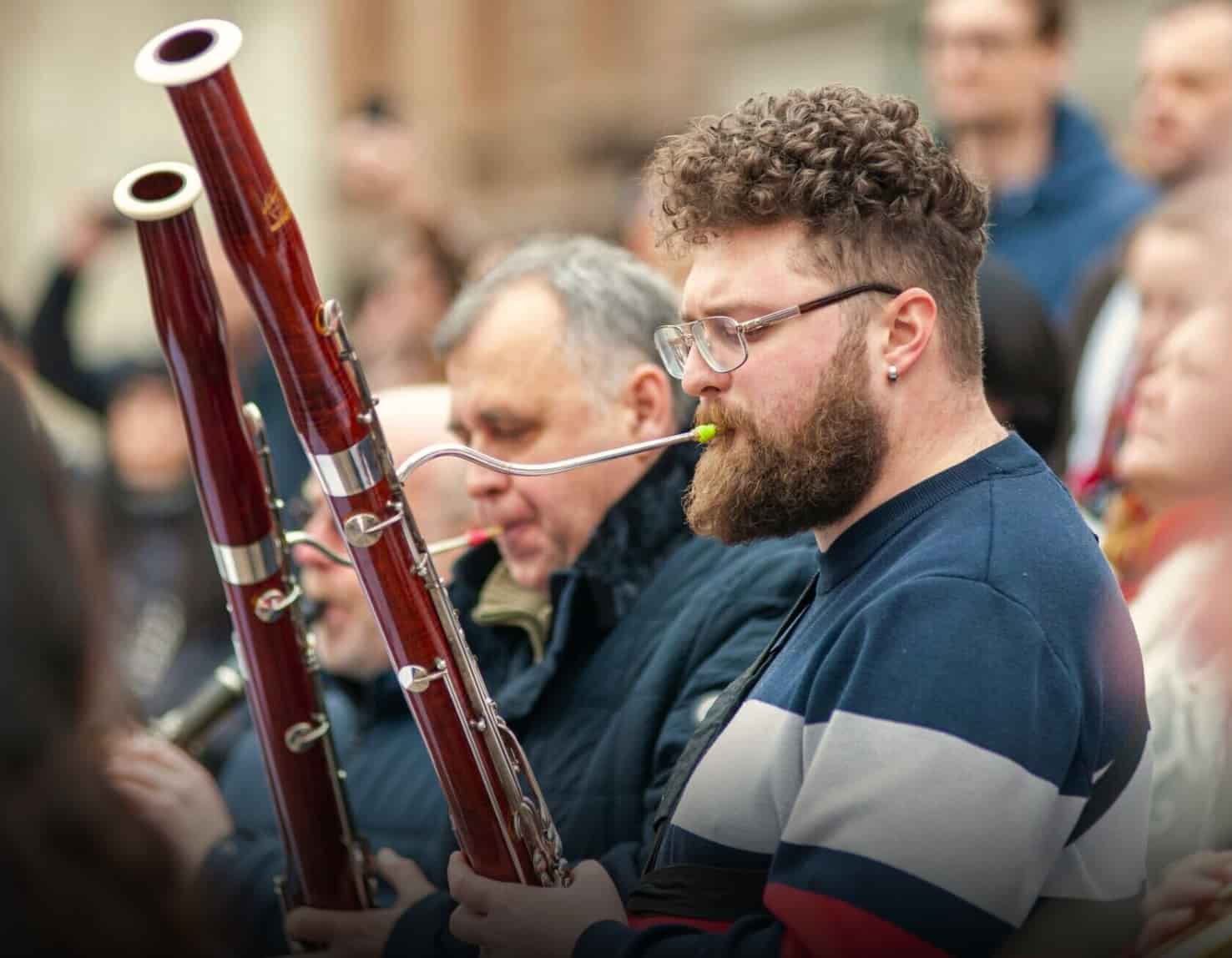
Our bassoon teacher network is currently growing across Sydney, with dedicated lessons available in Wahroonga and online options for students throughout the city and beyond. As our network expands, we continue to connect students with trusted bassoon tutors who offer lessons from their studios, travel where available, or teach online depending on your location and preference.
Whether you are a beginner learning bassoon for the first time, a school band or orchestra student, or an advanced player preparing for performances, exams, or auditions, we’ll help match you with the right teacher for your goals.
 View Teachers
Whether you are looking for bassoon lessons for kids or bassoon lessons for adults, our bassoon teachers tailor every lesson to your stage of learning, experience level, and personal goals.
For children, bassoon tuition focuses on building strong fundamentals from the start. Our teachers use clear, structured methods to introduce embouchure, breath control, tone production, and reading music in a way that keeps younger students engaged and progressing steadily. As confidence grows, students may work through graded pathways such as AMEB exams and develop broader musicianship skills alongside music theory. If you are looking for a bassoon tutor for your child, we will match them with a teacher whose teaching style encourages consistency, motivation, and enjoyment from the very first lesson.
For adults, the approach is more flexible and goal-driven. Many adult beginners start bassoon lessons for personal enjoyment, to take up a long-held interest, or to return to music after time away. Lessons are shaped around your interests and pace, with no pressure to complete exams unless you want to. Adult learners often make steady, rewarding progress when learning repertoire they genuinely enjoy, supported by practical technique and guidance tailored to their goals. Many bassoon students are also interested in our oboe lessons.
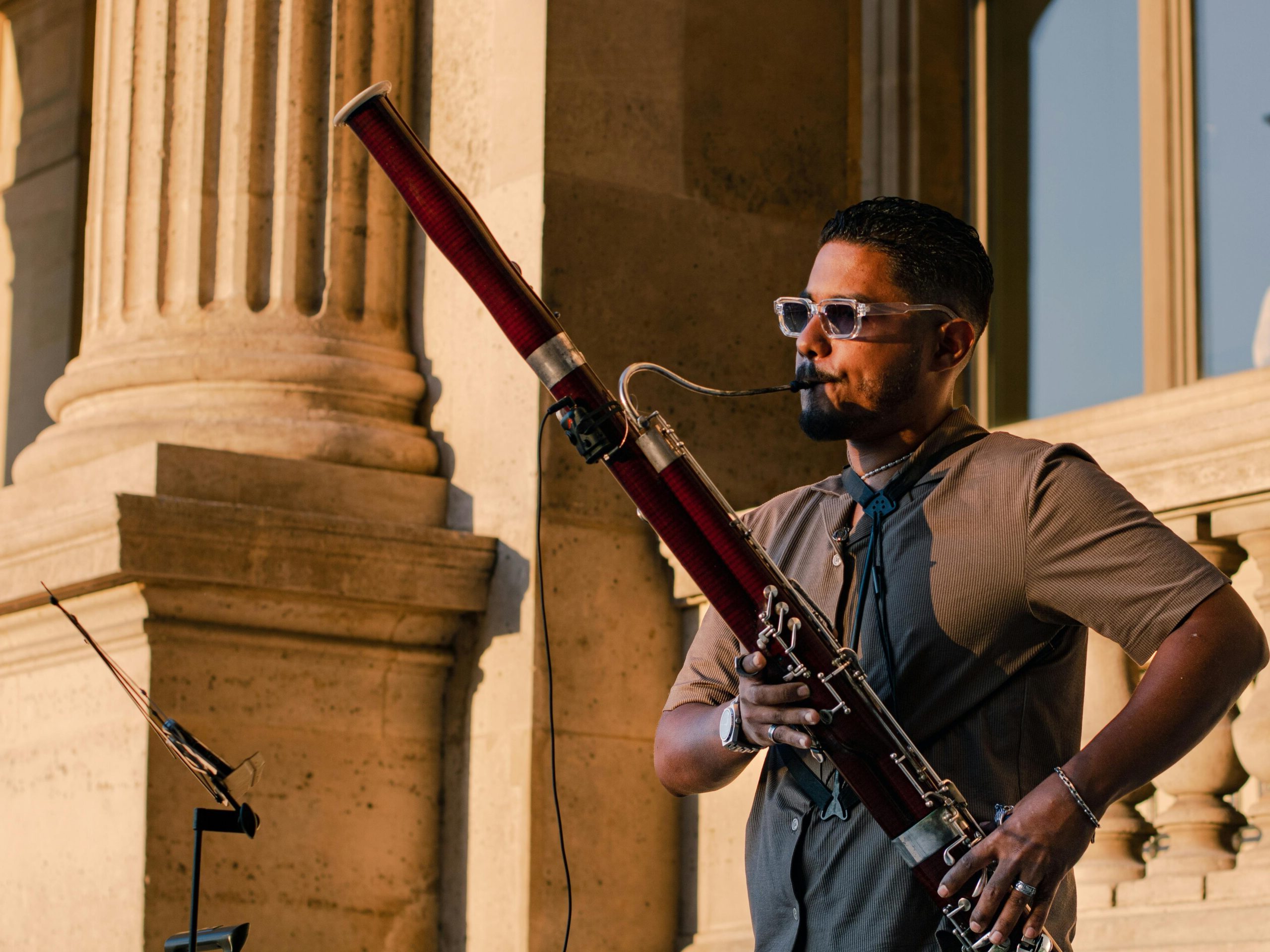
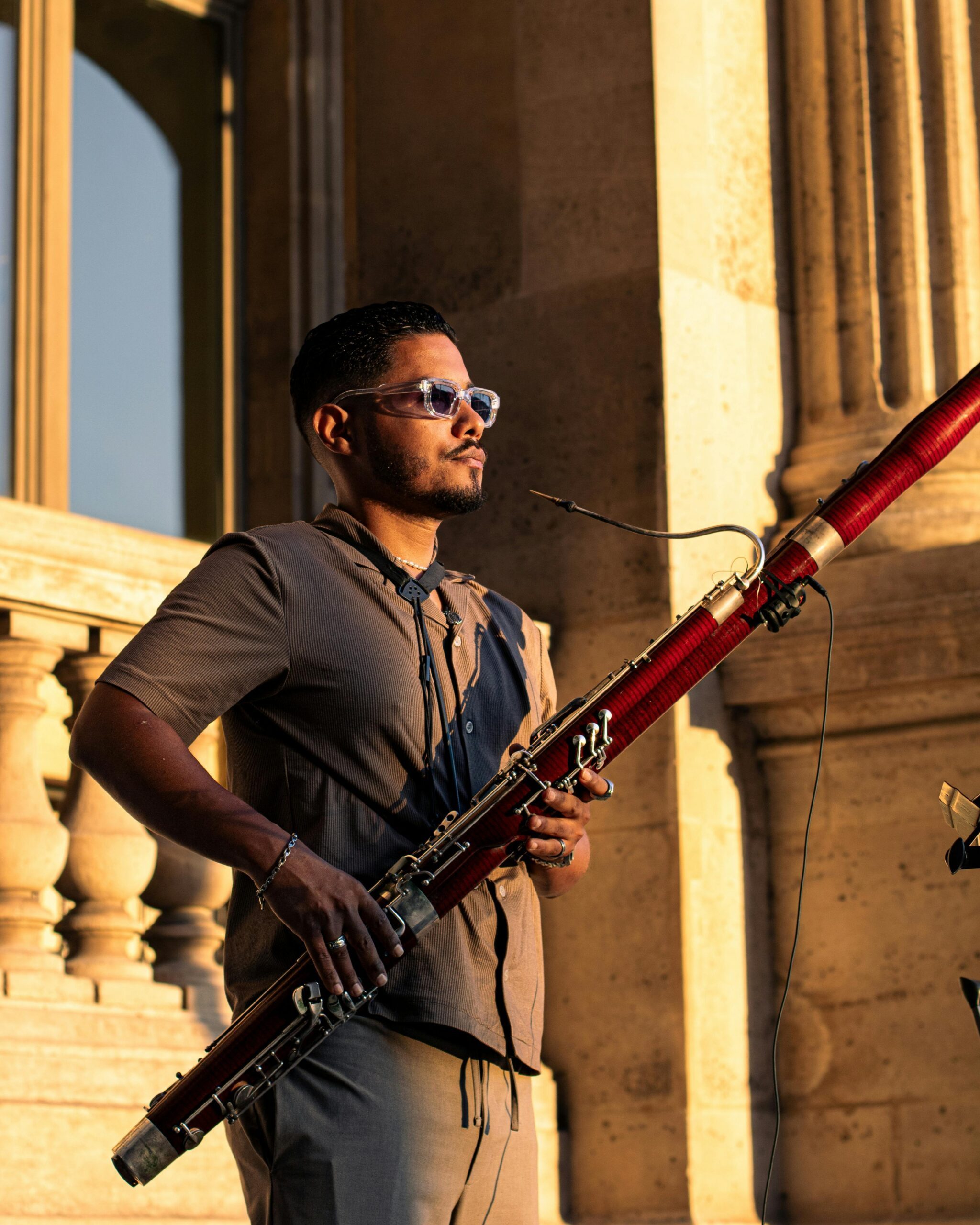
Bassoon lesson costs in Sydney typically depend on the teacher’s experience, qualifications, lesson format, and availability. At Sydney Music Lessons, our bassoon lessons are $100 per hour, providing access to personalised tuition from an experienced bassoon teacher.
Several factors can influence where a teacher sits within this range:
Experience and qualifications: A bassoon teacher with conservatorium training, orchestral experience, or many years of teaching will generally charge toward the higher end of the range. Teachers earlier in their career may sit closer to the lower end while still offering high-quality instruction depending on your needs.
Lesson length: Most bassoon lessons are offered in 30, 45, or 60-minute formats. Beginners often start with shorter lessons to build stamina and fundamentals, while intermediate and advanced students typically benefit from longer sessions.
Location and format: In-home lessons may be priced differently depending on travel requirements, while online lessons can sometimes offer more flexibility.
Our bassoon teachers offer both online bassoon lessons and in-person lessons across Sydney, giving you the flexibility to choose the format that best suits your lifestyle and learning needs. Many of our teachers are able to offer both options, while others specialise in either online or face-to-face tuition depending on their setup and experience.
For bassoon, both formats can be highly effective. In-person lessons are often particularly valuable for beginners, where hands-on guidance with embouchure, posture, breath control, and tone production can make a significant difference. Online lessons can also work well, especially for more advanced students or those focusing on repertoire, practice structure, and musical interpretation.
When you enquire, we match you with a teacher who offers your preferred lesson format, in your area, and within your budget so you can find the right fit with ease.
Playing with a warm, centred tone
Breath support and air control
Embouchure stability and flexibility
Clean articulation and smooth phrasing
Finger technique and key coordination
Accurate intonation across all registers
Confident register changes and slurs
Sight-reading and ensemble preparation
Yes, but bassoon lessons suit students who are comfortable with a larger instrument and are happy to build tone and coordination steadily with structured guidance.
Many students start bassoon lessons around 10–11 once hand size and breath capacity are there, with smaller “mini” or short-reach options sometimes suitable earlier depending on the child.
These are smaller or modified instruments designed so younger players can take bassoon lessons without struggling with key stretch, weight, or posture.
Often, yes – bassoon lessons usually involve some form of support so posture stays solid, the instrument is stable, and your hands stay relaxed.
Bassoon is one of the pricier instruments, so renting first is often the sensible step before committing to a purchase.
Yes – this can save you a lot of frustration by avoiding instruments with leaks or regulation issues that make learning feel far harder than it should.
Most teachers help students get playable reeds and learn basic reed care, because reeds heavily affect tone and response.
No – you can focus on fundamentals first, while your teacher helps with workable reeds and simple adjustments.
More than one – having backups prevents practise from stalling when one reed stops responding or becomes unreliable.
It helps, but you don’t need it on day one – reading can be built alongside tone, fingerings, and rhythm step-by-step.
Yes – teaching can be aligned to band parts, auditions, and ensemble skills like counting, entries, blend, and phrasing.
I have been wanting to put my daughter in bassoon lessons for a while now. I like how your website provides a map to see the closest teacher. Thank you, I would definitely recommend Sydney Music Lessons.
My son has been taking bassoon lessons for a year now, and has just taken his grade 3 exam. Thank you Luka for finding us a pleasant teacher.
In your first lessons, your teacher will guide you through assembling and holding the bassoon correctly, developing comfortable posture, and learning the foundations of breath support and embouchure. You’ll begin learning fingerings, producing your first notes, and understanding how to navigate the bassoon’s different registers while playing simple exercises and melodies.
Typical focus: bassoon assembly, posture, breath support, embouchure, fingerings, first notes, basic rhythms and reading