


Diamantina
Belmore
At Sydney Music Lessons, we match you with friendly, experienced clarinet teachers right across town. We’ll find a local tutor who fits your neighborhood and schedule perfectly, making it super easy to slide lessons into your normal weekly routine.
Our teachers are based all over Sydney. Depending on who you choose, you can learn in their private home studio, have them travel straight to your door, or take lessons online from the comfort of home. Our team covers major areas all over the map, including the Canterbury-Bankstown area, the North Shore, the Hills District, the Northern Suburbs, the Forest District, and the Eastern Suburbs.
With fantastic instructors ready to teach in Belmore, Frenchs Forest, Seven Hills, Randwick, Neutral Bay, Riverwood, Castle Hill, Norwest, North Ryde, Marrickville, and Strathfield, we’ve got your neighbourhood covered.
 View Teachers

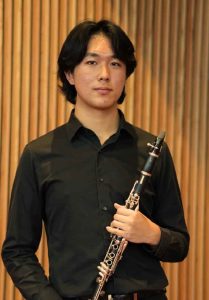
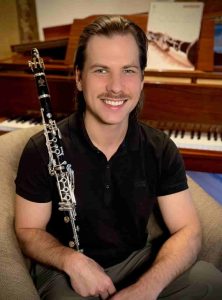
From school-aged beginners to adults exploring a creative outlet, our instructors design weekly lessons that completely centre on your personal goals. We skip the one-size fits all approach and adapt the pacing, music selection, and style to fit your life.
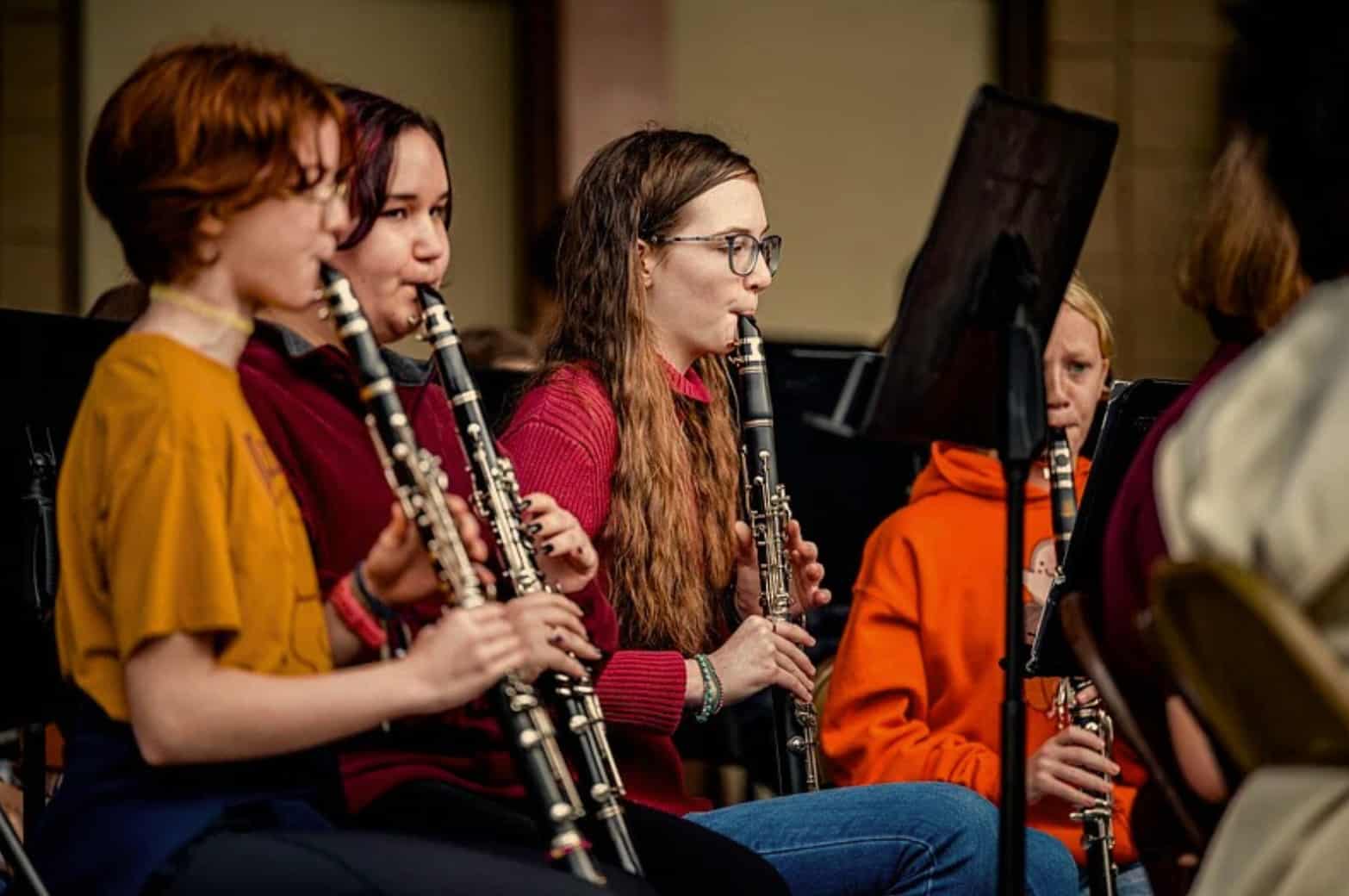
For kids and teens, we break down unique clarinet challenges – like balancing a bamboo reed and building mouth muscle stamina – into simple, encouraging milestones. Starting young is a fantastic way to build great habits early, including steady breath control, clear tongue articulation, and confident posture. Whether your child wants to stand out in school concert bands, excel in youth orchestras, or confidently work through AMEB grade levels, we pair them with an approachable, patient teacher who keeps them excited to learn.
For adult students, the focus is entirely on your own enjoyment and unwinding after a busy day. We welcome absolute beginners starting from scratch alongside casual players returning to the clarinet after years away. There is zero pressure to do exams or step onto a stage unless that is your goal. Instead, we focus on what matters to you: getting a rich, deep acoustic tone, moving your hands fluidly across the fingerboard, and diving straight into the jazz, classical, or blues tracks you love listening to.
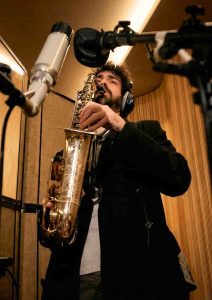
If you want something more forward and contemporary, see our saxophone lessons page.
Our single-reed woodwind instructors charge between $50 and $130 per hour.
A few simple things determine where a teacher’s rate sits within that range:
Experience: Tutors with advanced conservatory degrees or major orchestral backgrounds naturally cost a bit more than those earlier in their teaching careers.
Lesson Length: Sessions are usually 30, 45, or 60 minutes long. Younger kids usually start with 30 minutes, while teens and adults prefer 45 or 60 minutes.
Location: Learning online is often the most budget-friendly option since there’s no travel involved. In-person lessons depend on whether you learn in a teacher’s home studio or have them travel to you.
When you get in touch, we’ll match you with a great clarinet mentor in your area and price bracket completely obligation-free.
Our platform gives you the freedom to choose between modern remote sessions and traditional face-to-face coaching across Sydney. Many of our single-reed specialists teach both styles beautifully.
For clarinet players, both choices offer fantastic benefits. In-person lessons are ideal for beginners who need real-time, physical feedback on how to assemble the mouthpiece, align reeds, or seal the tone holes properly with their fingers. Meanwhile, digital lessons offer unmatched flexibility for busy students.
When you send us a message, we’ll match you with a fantastic local tutor who works with your preferred format, neighbourhood, and budget.
Practice anywhere you want by connecting via Zoom or Google Meet from the comfort of your own room.
Skip the commuting stress and forget about racing through Sydney traffic or hunting for parking spots.
Save on lesson costs with budget-friendly rates that cut out travel expenses entirely.
Keep a reliable routine without ever worrying about cancellations due to bad weather or transport delays.
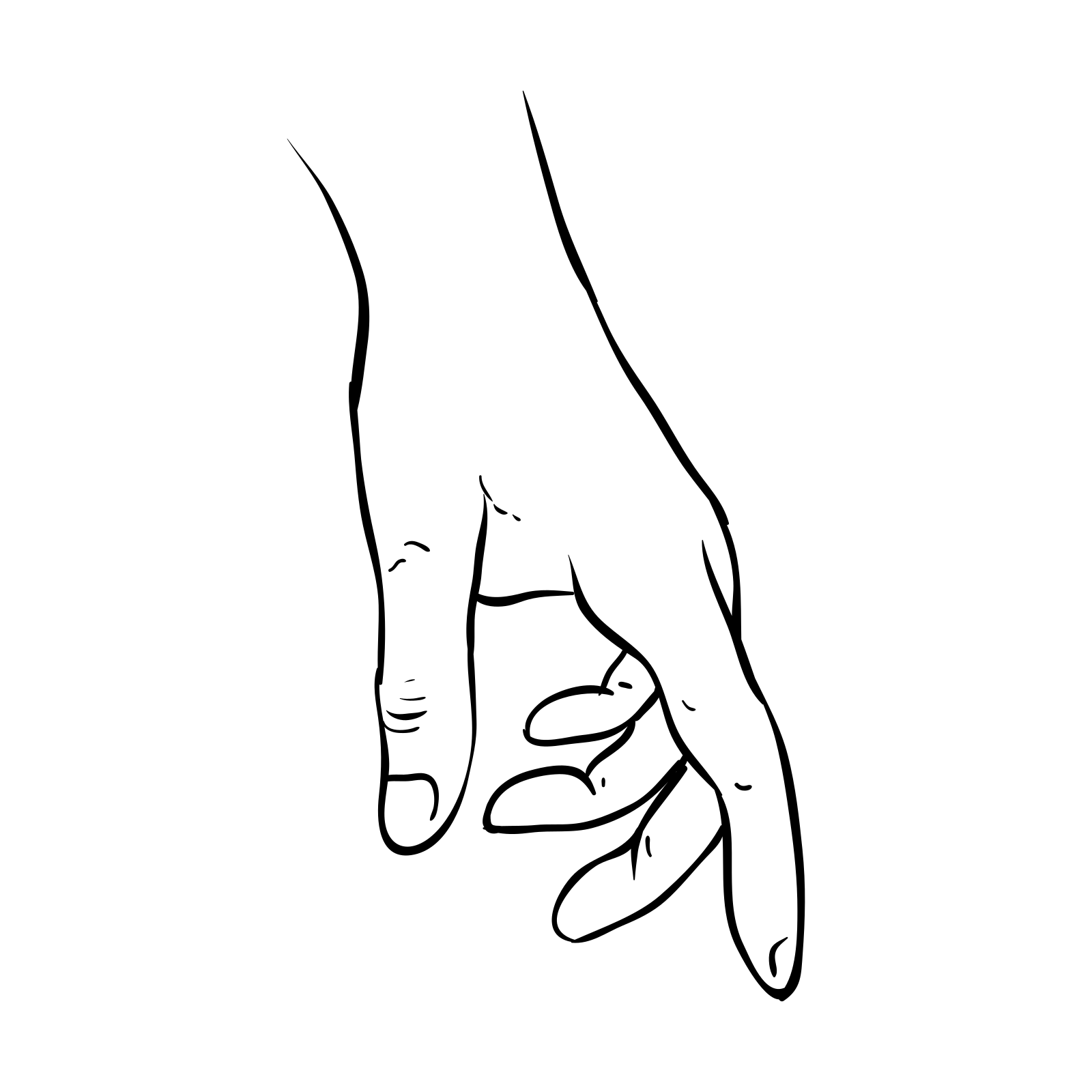
Posture and relaxed hand position

Breath support and airflow control
Embouchure shaping and tone
Reading clarinet notation confidently
Finger coordination and dexterity
Smooth register transitions
Scales, patterns and technique
Aural skills and pitch awareness
Most kids start once they can comfortably cover the holes/keys and have the mouth/teeth support for a steady embouchure.
It’s very learnable, but getting a clean sound early can be challenging without guidance and consistent practise.
It depends on practise consistency, but with regular lessons most students can get to simple, musical playing within months, with stronger competence typically taking longer-term work.
You’ll learn setup and posture, embouchure and breath, how to produce your first clean notes, and a simple practise routine.
Not always—many students begin with a rental or borrowed instrument, then buy once they know they’ll stick with it.
Most beginners start around 1.5-2.5 depending on age and mouth strength, then adjust as tone and control improve.
Short, consistent daily practise is usually more effective than one long session per week.
Yes-adult beginners often progress quickly when lessons are structured and practise is consistent.
They can be, especially for fingering, reading, articulation, and guided practise-good audio and camera angles make a big difference.
Yes-teachers commonly support band music plus exam pathways (where relevant), alongside tone, technique, and reading skills.
Our daughter seems happy with her clarinet teacher and is learning fast. Thank you for your help in finding us a teacher.
We are happy with our teacher and progress and look forward to putting our son in grade 6 AMEB clarinet.
When you start learning the clarinet, your instructor will focus on getting your physical setup feeling completely natural. Early sessions center on assembling your instrument safely, aligning your reed, finding a relaxed hand position, and developing proper breath support. By breaking down basic music notation and simple finger patterns early on, you will be playing recognizable melodies right from your first few weeks.
Core areas: Instrument assembly, reed care, basic breath control, reading notation, first melodies.