

Mike
Croydon Park
Sydney Music Lessons connects students with trusted and experienced cello teachers across Sydney. Our goal is simple: to help you find the right teacher for your learning style, goals and schedule.
We currently have cello teachers based around Inner West, Inner City and Sydney CBD in Croydon Park, Ultimo, Millers Point and Earlwood, with lesson options varying between home studios, travel-to-you lessons and online learning. All teachers are carefully vetted, and we prioritise matching students with a teacher who is the right fit rather than simply the closest option.
Find a teacher on the map below and enquire – we’ll match you to the right fit.
 View Teachers
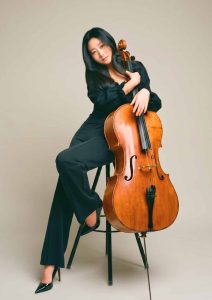
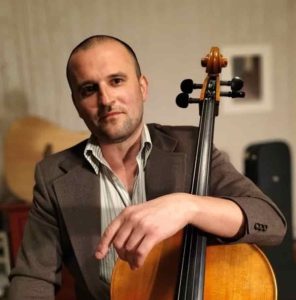
Whether you are looking for cello lessons for kids or cello lessons for adults, our cello teachers adapt lessons to your experience level, goals and learning style.
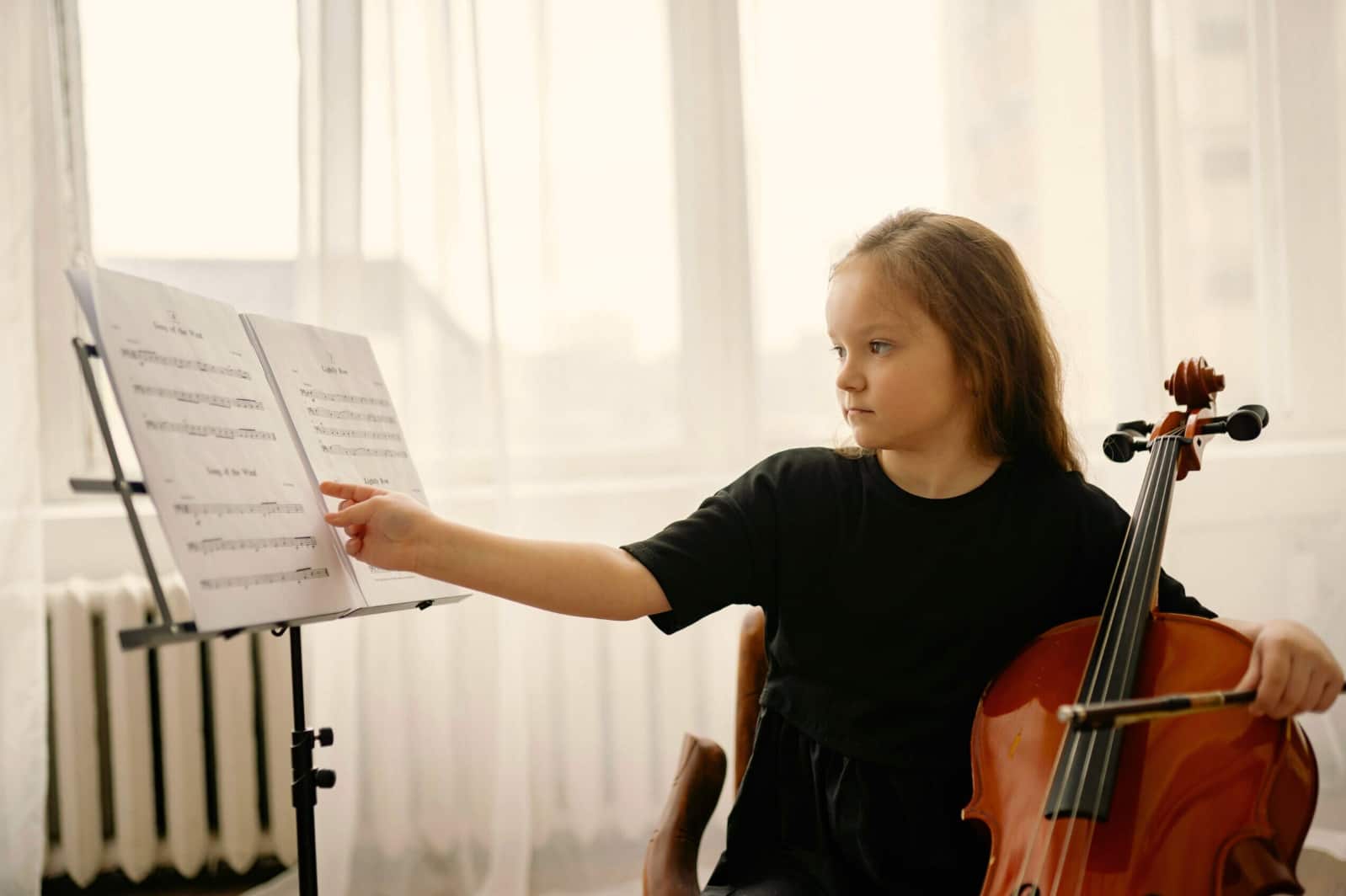
For children, cello lessons focus on building good habits early. Students learn the fundamentals of posture, bow technique, rhythm and note reading through a mix of exercises, repertoire and practical playing. Many young students choose to work towards AMEB exams as their confidence and skills develop, and also may enjoy violin lessons. If you’re looking for a cello teacher for your child, we’ll match them with someone who can keep lessons engaging while providing the right level of structure and support.
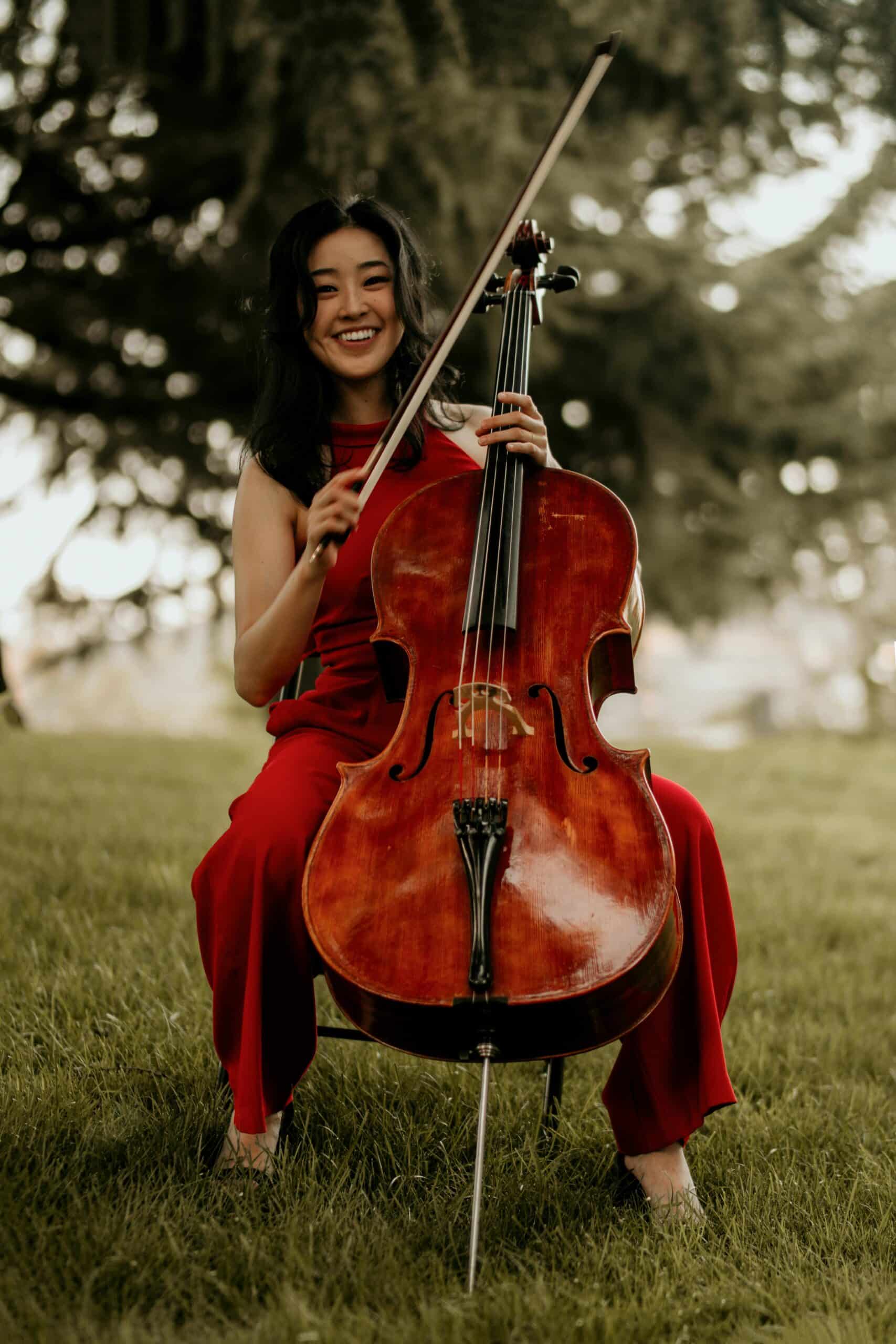
For adults, lessons are often more goal-focused. Some students are learning the cello for the first time, while others are returning to music after years away. There is no pressure to sit exams or perform unless that’s something you want to pursue. Many adult learners simply want to enjoy playing music, learn pieces they love and make steady progress at their own pace. Our teachers tailor lessons around those goals, whether you’re interested in classical music, contemporary pieces or learning purely for enjoyment.
At Sydney Music Lessons, cello lessons range from $90 to $150 per hour, with prices varying depending on the teacher and the type of lesson you choose.
What affects lesson costs?
Finding the right teacher is about more than just price. A teacher who understands your goals and teaches in a way that suits you can make learning more enjoyable and help you progress faster. At Sydney Music Lessons, every cello teacher is carefully chosen, and we’ll match you with someone who fits your learning style, location and budget.
Our cello teachers offer both online cello lessons and in-person lessons across Sydney, giving students flexibility based on their schedule, location and learning preferences. Many of our teachers offer both formats, while others specialise in one.
Both options can be effective for learning the cello. Online lessons are convenient and allow students to learn from home, while in-person lessons can be particularly helpful for beginners who benefit from hands-on guidance with posture, bow hold and technique.
When you enquire, we’ll match you with a cello teacher who offers the lesson format you’re looking for, as well as one that suits your location, goals and budget.
Sitting posture and relaxed setups
Using body weight for tone
Bow hold and smooth path
Left-hand shape and shifting
Reading bass clef confidently
Intonation across all strings
Breaking down pieces effectively
Aural skills and pitch awareness
Yes. You’ll need an instrument at home to practise. We can advise you on sizing and what to look for in a beginner cello.
Cello sizes vary, especially for younger players. We can help you choose the right size based on height and arm length so playing feels natural.
Not at all. Adults often progress well because they can focus, listen closely and follow instructions. The physical side of the instrument becomes comfortable with good guidance.
Most students notice improvement within a few weeks once they learn how to use arm weight and bow control. Tone develops steadily with practice.
Yes. Cello music is primarily written in bass clef. It’s easy to learn with consistent use and becomes second nature quite quickly.
Not if the size is chosen correctly. Many children start on smaller cellos and transition through sizes as they grow.
Yes. Many students work through AMEB grades. Your teacher will guide you through the repertoire, technical work and aural components.
You don’t need physical strength. Cello playing relies on relaxed body weight and good technique rather than force.
Short, regular practice is best. Even ten minutes a day builds progress faster than one long weekly session.
Yes. While classical technique is the foundation, you can learn film music, contemporary pieces, folk tunes or anything that interests you.
I had been studying cello for many years and decided to restore my level and skills. I took several lessons with Yevgenia and found her to be an attentive, helpful, and kind teacher. She significantly helped improve my technique, particularly with hand placement. I would highly recommend her to anyone looking to develop their playing further.
Started lessons six months ago at age 8 as a complete beginner. Lily is the first teacher, and we’ve been very pleased with the progress so far. We are now ready to complete Grade 2 and enjoy their lessons each week.
In your first cello lessons, your teacher will help you develop good posture, bow hold and instrument positioning so playing feels comfortable from the start. Beginner cello lessons focus on producing a clear sound, learning simple notes and rhythms, and playing easy pieces that build confidence without feeling overwhelming. Most students are able to play simple melodies within their first few lessons.
Typical focus: posture, bow technique, note reading, rhythm and first pieces