

Oliver
Seaforth
Sydney Music Lessons connects students across Sydney with experienced, vetted percussion teachers. We match you with a local teacher based on your suburb, schedule, and musical goals, making it easy to fit lessons into your routine.
Our teachers are based throughout Sydney, offering lessons from their home studios, travelling to your home, or teaching online, depending on the teacher and your preference. We cater to all areas of Sydney, including the Inner West, North Shore, Northern Beaches, Eastern Suburbs, St. George, Western Sydney, and the Sutherland Shire. We have dedicated percussion teachers in Seaforth, Gordon, Epping, Normanhurst, Ultimo and Canterbury.
 View Teachers
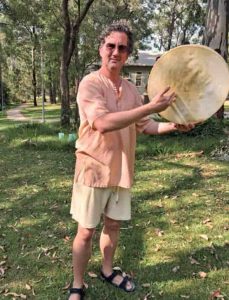
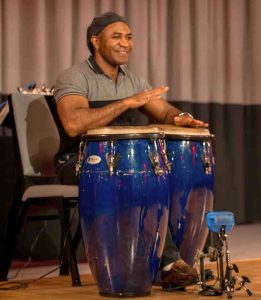
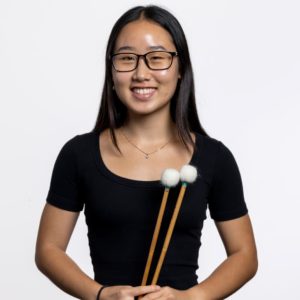
Whether you are looking for percussion lessons for kids or percussion lessons for adults, our percussion teachers tailor every lesson to your experience, interests, and musical goals.
For children, percussion lessons focus on building strong rhythm, coordination, and technique from the very beginning. Our teachers use engaging exercises, fun rhythms, and age-appropriate songs to keep younger students motivated while developing the fundamental skills they’ll use across a wide range of percussion instruments. As students progress, many choose to work towards AMEB exams or school music goals, often alongside our music theory lessons. If you’re looking for a percussion teacher for your child, we’ll match them with someone whose teaching style and personality helps them stay confident, engaged, and excited to learn.
For adults, lessons are designed around your individual goals. Whether you’re starting from scratch, returning to drumming after years away, or looking to improve your technique, there’s no pressure to perform or sit exams unless that’s something you want to pursue. Many adults learn percussion simply for the enjoyment of making music, relieving stress, or joining a band. Lessons are tailored to the styles and instruments that interest you, making learning both rewarding and enjoyable from the very first lesson.
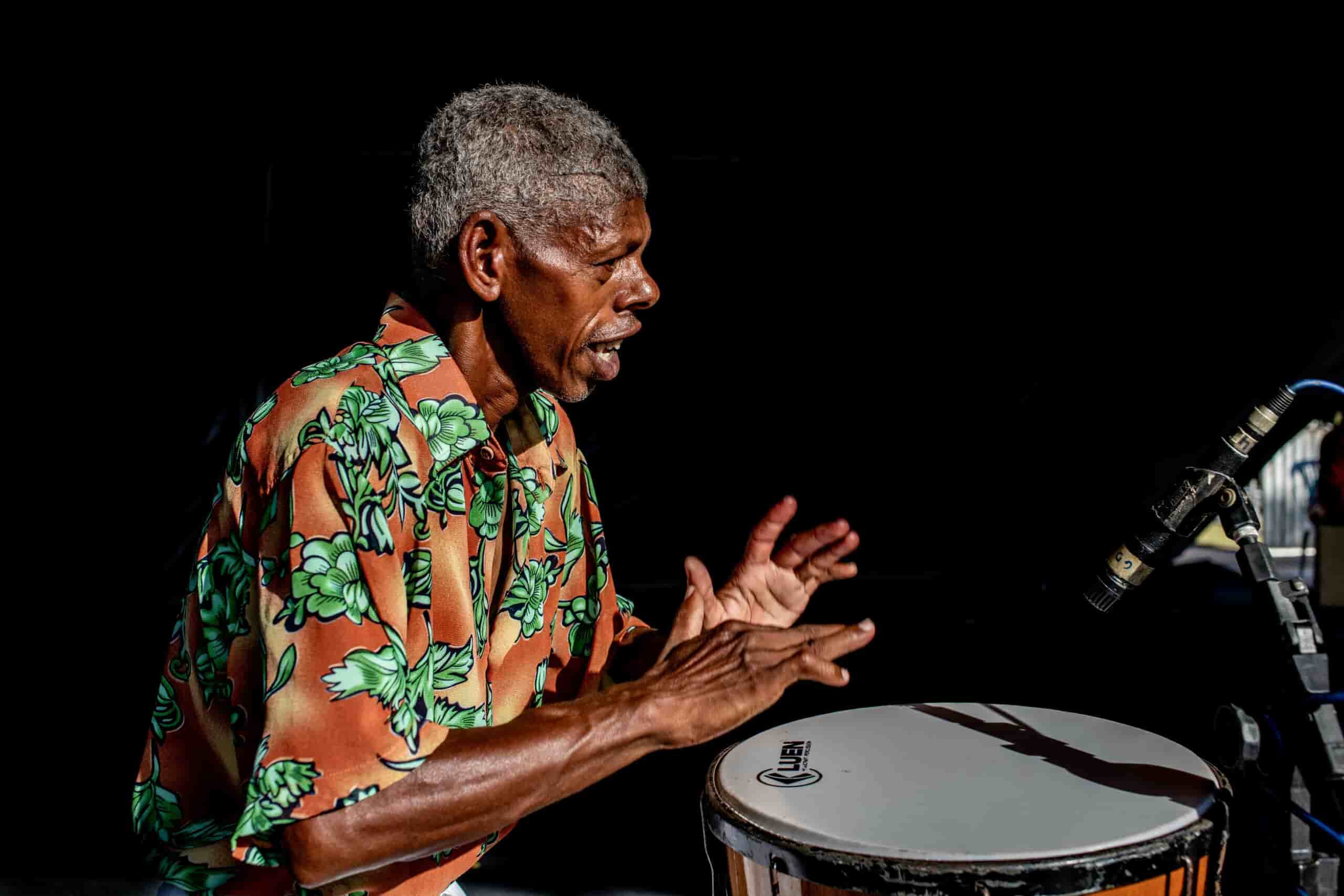
Percussion lesson costs in Sydney typically range from $70 to $120 per hour depending on the teacher’s experience, qualifications, location, and whether lessons are held in your home, at the teacher’s studio, or online.
Several factors influence the price of percussion lessons:
Experience and qualifications: Teachers with formal music qualifications, extensive performance experience, or many years of teaching often charge more. However, there are excellent teachers at a range of price points, and the best choice depends on your goals and budget.
Lesson length: Most percussion lessons run for 30, 45, or 60 minutes. Younger children often begin with 30-minute lessons, while teenagers and adults typically benefit from longer sessions that allow more time for technique, repertoire, and rhythm training.
Online vs in-home: Online percussion lessons can sometimes be more affordable than in-home lessons, as they eliminate travel costs. In-home lessons offer added convenience, while lessons at a teacher’s studio provide access to their instruments and teaching setup.
At Sydney Music Lessons, our percussion teachers charge between $70 and $120 per hour. We carefully select experienced, high-quality teachers who build strong technique and good habits from the beginning. When you enquire, we’ll match you with suitable percussion teachers in your area and within your budget, allowing you to choose the right fit with no obligation.
Our percussion teachers offer both online percussion lessons and in-person lessons across Sydney, giving you the flexibility to learn in the way that best suits your schedule and lifestyle. Many of our teachers provide both options, while others specialise in either online or face-to-face teaching. Both formats can be highly effective, although in-person lessons are often beneficial for beginners, as teachers can more easily demonstrate technique, posture, stick grip, and instrument setup.
When you enquire, we’ll match you with a percussion teacher who offers your preferred lesson format, is located in your area, and fits within your desired price range.
Learn percussion online via Google Meet, Zoom, or your preferred platform from home
Online percussion lessons available Australia-wide
More affordable than in-person lessons in most cases
Flexible scheduling that fits around work, school, or other commitments
Wide range of online percussion teachers to choose from regardless of your location
Ideal for adults, beginners, returning players, and students in regional areas
No cancellations due to traffic or travel delays
Access to specialist percussion teachers regardless of where you live
Posture and relaxed hand technique
Stick control and rebound
Mallet technique and accuracy
Reading rhythmic and melodic notation
Groove, timing and ensemble skills
Playing tuned percussion instruments
Hand percussion fundamentals
Aural skills and rhythmic awareness
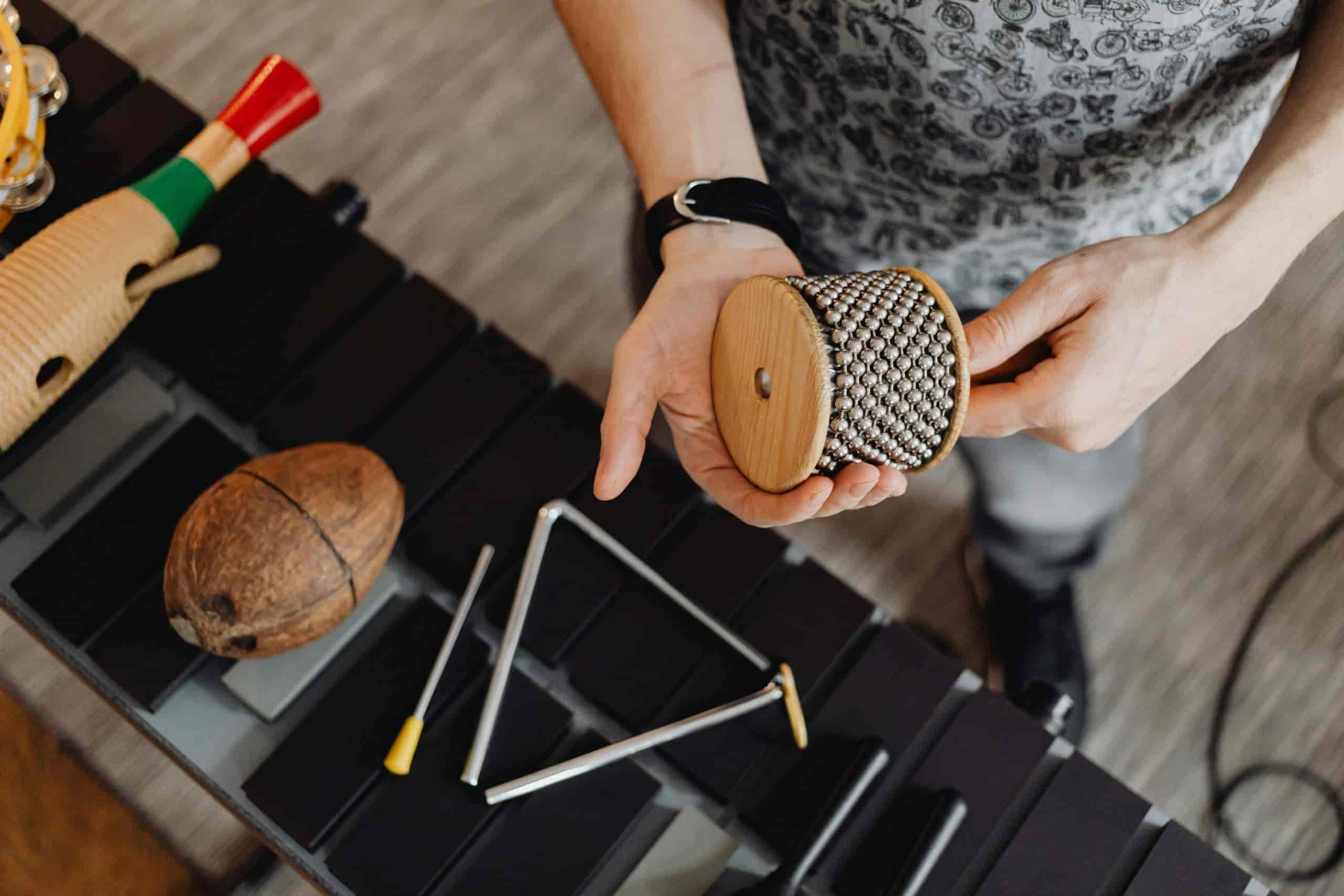
Percussion lessons teach students how to play a wide range of instruments that create sound through striking, shaking, or scraping. Unlike a single-instrument lesson, percussion covers many different instruments, including drum kit, snare drum, timpani, mallet percussion such as xylophone and marimba, and auxiliary percussion instruments like tambourine, cymbals, and hand percussion.
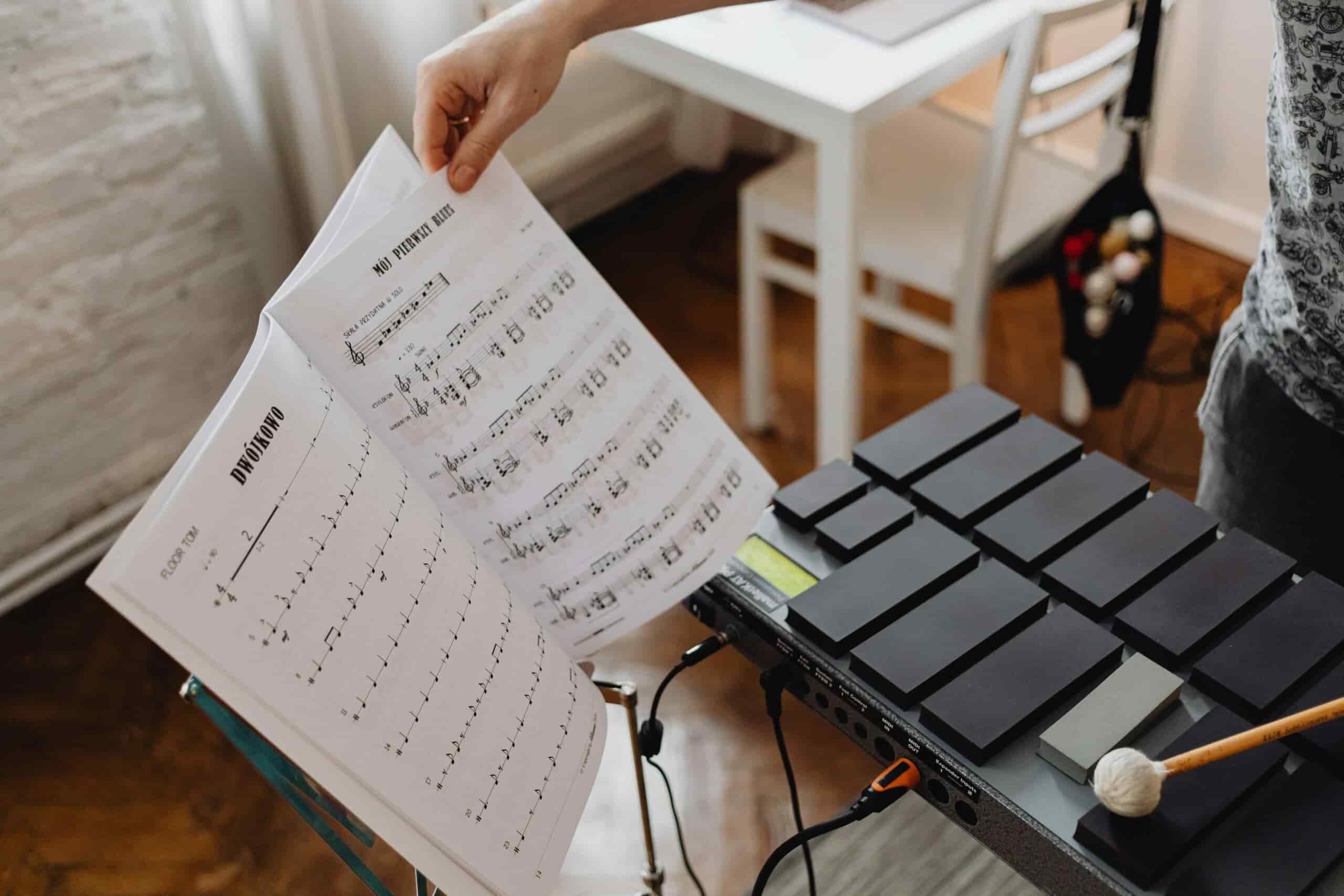
Lessons focus on developing the core skills that apply across percussion, including rhythm, timing, coordination, technique, reading music, and sound control. Students learn correct grip, posture, stroke technique, and how to produce a clear sound, while also developing the ability to move between different percussion instruments.
Percussion lessons are suitable for beginners, school band students, aspiring performers, and experienced musicians looking to expand their skills. Whether you want to learn for enjoyment, prepare for AMEB exams, HSC Music, auditions, or ensemble performance, lessons can be tailored to your goals and interests.
Drum lessons usually focus on the drum kit (grooves, fills, coordination, songs). Percussion lessons are broader – they can include drum kit, snare and orchestral percussion, mallet instruments (like marimba/vibraphone), hand percussion, and reading more rhythm-based music.
That depends on the teacher and your goals, but common options include drum kit, snare drum, timpani, and mallet instruments like marimba or vibraphone, plus hand percussion. Tell us what you’re interested in and we’ll match you with a teacher who teaches that instrument.
Yes. A good beginner pathway starts with comfort and fundamentals (posture, grip, basic strokes, counting, and steady timing) then builds into rhythms, coordination, and simple pieces or grooves. You don’t need experience to start.
Yes. We’ll match you with a percussion teacher based on your suburb and preferred lesson format (in-home, online, or studio where available). Enquire with your suburb and availability, and we’ll confirm the best options.
Most beginners practise quietly using a practice pad (or an electronic kit if you’re on a drum kit). For other percussion instruments, your teacher can recommend low-volume practice methods and routines so you can build skill without disturbing others.
Not always. Many beginners start without owning a full setup, especially if lessons are at a teacher’s studio. If you’re learning at home, a practice pad and sticks (or basic mallets) are usually enough to begin.
Start simple: a practice pad and a reliable pair of sticks (for drums) or mallets (for mallet percussion), plus a metronome app. Your teacher can recommend the right type after the first lesson, so you don’t waste money on the wrong gear.
Most students feel progress quickly in timing and control if they practise consistently. As a baseline, 10-20 minutes most days beats one long session per week. Consistency is what compounds, especially early on.
Sydney Music Lessons - thank you for helping find a percussion teacher not far from me.
I've had trouble learning rhythm but my teacher has shown me strategies to fix it, and they are working really well.
Your teacher will help you develop correct grip, posture, and the fundamentals of producing a clear, controlled sound across your chosen percussion instruments, whether you’re learning drum kit, snare drum, mallet percussion, timpani, or other instruments. You’ll begin with essential rhythms, simple patterns, and basic reading skills, allowing you to make music from the very first lessons rather than simply practising isolated exercises.
Typical focus: grip and technique, posture, stroke control, sound production, basic rhythms, music reading