

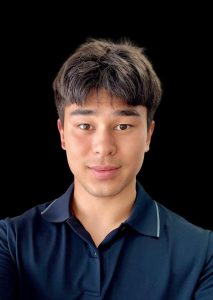
Max
Hornsby
Sydney Music Lessons connects students across Sydney with experienced, vetted piano teachers. We match you with a local piano teacher based on your suburb, schedule, and goals so lessons fit around your life.
Our piano teachers are based throughout Sydney, offering private piano lessons, either in their home studio, travelling to you, or online lessons, depending on the teacher and your preference. We cater to all areas of Sydney including the Inner West, North Shore, Northern Beaches, Eastern Suburbs, St. George, Western Sydney, and Sutherland Shire. We have dedicated piano teachers in Hurstville, Chatswood, Burwood, Epping, and Parramatta, with teachers across many surrounding suburbs as well.
 View Teachers
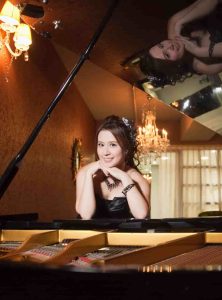
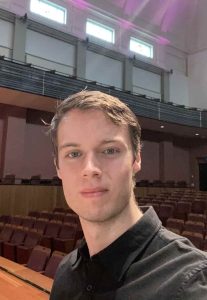
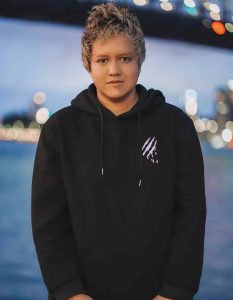
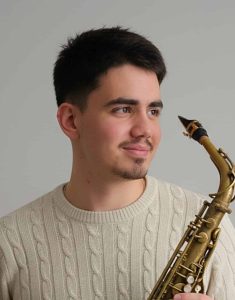
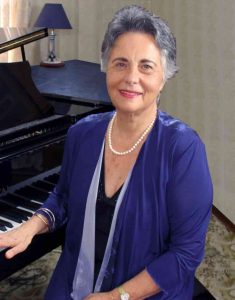
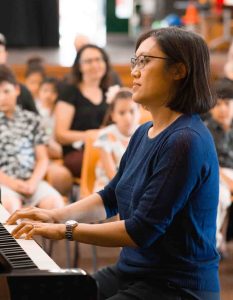
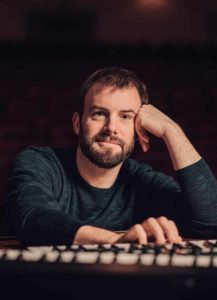
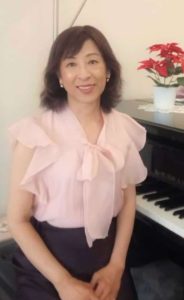
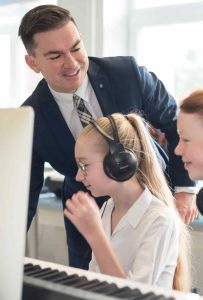
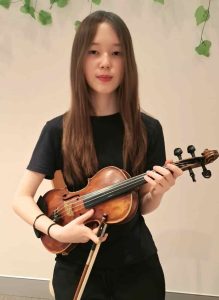
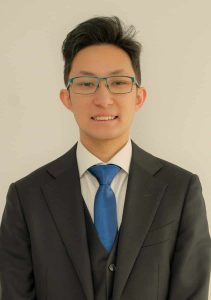
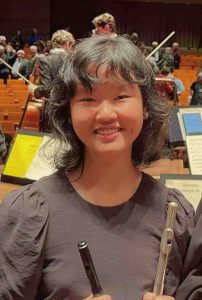
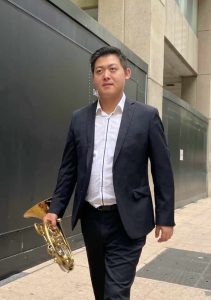
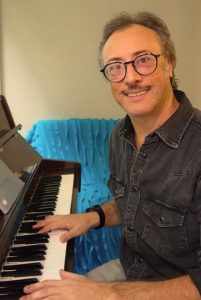
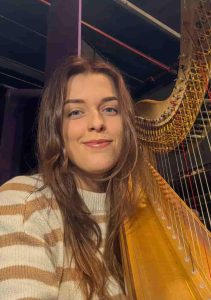
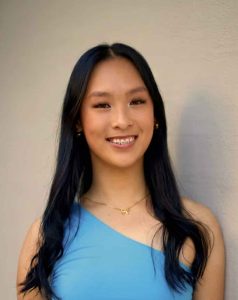
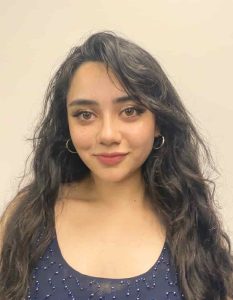
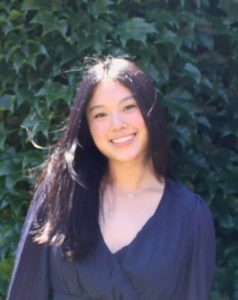
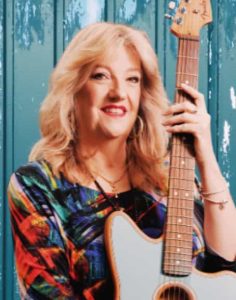
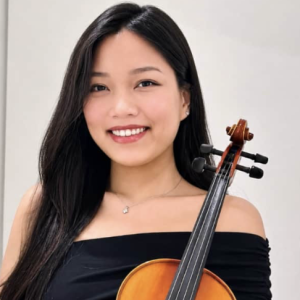


Whether you are looking for piano lessons for kids or piano lessons for adults, our piano teachers tailor every lesson to where you are in life and what you want to achieve.
For children, piano tuition focuses on building good habits early. Our piano teachers use games, simple repertoire, and structured repetition to keep younger students engaged while laying the technical foundation they will draw on for years. Kids who start young often progress quickly, and many go on to sit AMEB exams as their confidence and ability grow, often alongside our music theory lessons. If you are looking for a piano tutor for your child, we will match them with a teacher whose personality and teaching style keeps them motivated from lesson one.
For adults, the approach shifts. Most adults starting beginner piano lessons are learning for enjoyment, to finally follow through on something they always wanted to do, or to pick up where they left off years ago. There is no pressure to perform or sit exams unless that is your goal. Adult learners often surprise themselves with how quickly they progress, particularly when piano tuition is built around music they actually want to play. Many of our teachers also offer singing lessons if you’re interested in developing both.
Piano lesson costs in Sydney typically range from $50 to $180 per hour depending on the teacher’s experience, qualifications, and location. Most students pay between $90 and $120 per hour for a well-qualified, experienced piano teacher.
Several factors influence the price of piano lessons:
Experience and qualifications: a teacher with a conservatorium degree or decades of teaching experience will generally charge more than someone earlier in their career. Both can be excellent depending on your goals and budget.
Lesson length: most lessons run 30, 45, or 60 minutes. Younger children often start on 30 minute lessons, while older students and adults typically benefit from 45 or 60 minutes.
Online vs in-home: online piano lessons are often slightly more affordable than in-home lessons since there are no travel costs involved.
At Sydney Music Lessons our piano teachers range from $70 to $180 per hour, and we focus on quality teachers who will prevent you from having to find another teacher to fix bad habits down the track. When you enquire we match you with teachers in your area and price range so you can choose the right fit without any obligation.
Our piano teachers offer both online piano lessons and in-person lessons across Sydney, giving you the flexibility to choose the format that suits your lifestyle. Many of our teachers offer both options, while some specialise in one or the other. For piano, both formats work well, though in-person lessons have advantages for younger beginners where hands-on technique correction makes a real difference.
When you enquire we match you with a teacher who offers the format you need, in your area and price range.
Relaxed technique with proper hand position
Reading treble and bass clef
Solid rhythm, timing, and counting
Chords, inversions, and progressions
Left-hand accompaniment patterns and grooves
Natural hands-together coordination
Pedal control for smooth transitions
Efficient practice for faster progress
In Sydney, private piano lessons typically land somewhere around $60–$150 per hour, depending on the teacher’s experience, the lesson length, and whether it’s at a studio or in-home.
A practical way to think about it:
30 minutes: often ~$45–$70
45 minutes: often ~$70–$95
60 minutes: often ~$90–$150
(Studios and institutions that charge per-term can work out higher per hour because you’re paying for admin and program structure as well, not just teacher time.)
Most kids do best starting formal piano lessons at an age of at least 5 years old, because they usually have the finger control and attention span to make lessons productive. Some children can start earlier if they’re unusually focused and enjoy structured learning.
A good upright piano usually costs between $5,000 and $10,000 AUD.
Grand pianos start around $10,000 for smaller models and can reach well over $100,000 for premium concert grands.
Brand, size, materials, and craftsmanship all affect the final price.
No. Adults often progress quickly throughout piano lessons because they listen well, practise with intent, and understand instructions faster. The main limiter is usually time and consistency, not age.
It depends on your goal, but a realistic timeline looks like this:
Weeks: basic coordination and simple melodies (with steady practise)
A few months: you can play a handful of songs comfortably
1–3 years: noticeably solid technique, reading, and musical control (for most hobby players)
Most piano lessons are 30, 45, or 60 minutes, but 60 minutes is the best option for real progress.
45 minutes: Recommended for young beginners, but for older students and intermediates, you’ll often rush—especially once you’re doing technique and songs and reading.
60 minutes: best because there’s time to properly warm up, fix technique, build reading/rhythm, and still spend meaningful time on actual music. It also means fewer “see you next week” problems because you can catch and correct mistakes properly during the piano lesson.
If you want the fastest improvement per dollar and per week, 60 minutes is the clear winner.
Weekly is the default because it keeps momentum, fixes mistakes before they harden, and supports consistent progress. Fortnightly can work if budget/time is tight, but it usually slows improvement unless the student is very disciplined with practise.
For most students, 20–30 minutes a day is the sweet spot for consistent progress.
A simple guide:
Kids / new beginners: 10–20 mins, 5–6 days/week
Most teens & adults (beginner–intermediate): 20–40 mins, 5–6 days/week
Exam prep / serious progress: 45–90 mins, 5–6 days/week (often split into two shorter sessions)
What matters most is consistency. Twenty minutes, five days a week beats two hours on Sunday.
To make real progress, yes—you need regular access to an instrument at home. Even the best teacher can’t replace time on the keys between lessons. If you don’t have one yet, you can still begin, but expect slower progress until you can practise at home.
A keyboard is fine to start if it’s set up for proper technique. Ideally you want:
Weighted (or hammer-action) keys so it feels closer to an acoustic piano
Full-size keys
A sustain pedal (or at least pedal input)
An acoustic piano is great, but a good weighted digital piano is more than enough for most students.
You can absolutely start with songs first (chords, lead sheets, simple patterns, and learning by ear). But reading sheet music is still worth learning because it expands what you can learn independently, speeds up progress long-term, and makes exams and classical repertoire far easier.
Best approach for most students: learn songs you like while building reading gradually, so you get motivation and fundamentals.
You can learn piano on your own, especially at the beginner level. The reason most people end up taking lessons is speed and efficiency: a good teacher fixes bad habits early (hand tension, posture, timing), gives you a clear practice plan, and keeps you progressing instead of getting stuck watching random tutorials.
If you want the fastest results, piano lessons win; if you’re happy with slower progress, self-teaching can work.
My son really enjoys learning piano with Max, and we are very pleased with his progress. Max provides clear guidance, constructive feedback. We greatly appreciate his professionalism and commitment to quality teaching.
Leah helped me achieve lifetime goal of learning the piano as an adult. She made the process extremely enjoyable and achievable, mixing in focus on technical skills for exams with progression on passion pieces. She was also understanding and flexible around my work schedule, which made it much easier to stick with lessons.
In your first piano lessons your teacher will set posture, bench height, and hand position so everything feels natural from the start. Beginner piano lessons focus on basic chords and simple pieces so you are making real music from day one. Most students are playing a recognisable song within their first few lessons.
Typical focus: hand position, basic chords, reading music, first songs