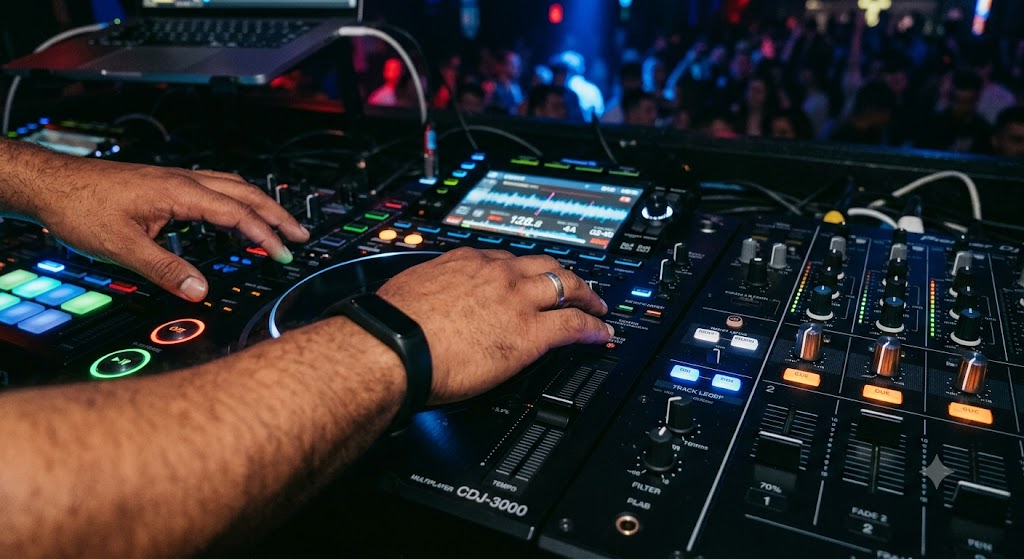
The world of electronic music is incredibly exciting, and watching a professional DJ command a crowded dance floor can feel completely magical. If you have ever stood in a club or watched a music festival stream online, you have probably wondered what it actually feels like to stand behind the decks. You might be currently looking to invest in premium DJ lessons in Sydney to kickstart your new passion, or you might just be curious about whether you need massive amounts of musical talent to get started. The good news is that stepping into the world of mixing tracks is much more accessible than most people think.
When you look at a massive DJ setup with all its flashing lights, countless dials, and intricate digital screens, it is entirely normal to feel a bit intimidated. However, the core fundamentals of electronic mixing are actually highly logical and easy to grasp. Like learning any new creative craft, the difficulty depends entirely on your patience, your goals, and how you approach your practice sessions in the early days.
How long does it take to learn how to DJ?
If you are wondering about the realistic timeline to go from a complete absolute beginner to a confident bedroom DJ, a period of roughly three months is the perfect roadmap. Within your first ninety days of structured practice, you can easily master the core foundational skills required to seamlessly blend two records together.
During the first few weeks, your learning journey will focus heavily on understanding track structure. You will learn how to identify intro bars, choruses, and outro sections, which are the secret building blocks of every dance track. Once you understand where a song naturally wants to transition, you will move on to beatmatching, which is the classic art of aligning the tempos of two different songs so they run at the exact same speed.
By the end of your three-month journey, your daily practice sessions will move away from technical puzzles and shift toward creative transitions. You will learn how to use equalisation dials to smoothly swap basslines between songs without causing a jarring, messy sound for your listeners. While mastering advanced skills like quick cuts, complex scratching, or three deck mixing can take years of dedication, you can absolutely play a highly enjoyable, smooth one hour set for your friends after just twelve weeks of consistent effort.
What DJ equipment do I need as a beginner?
One of the biggest mistakes eager beginners make is spending thousands of dollars on professional, club standard equipment before they have even taken their first official class. It is incredibly easy to get swept up in gear hype online and buy advanced multi players that you simply do not know how to operate yet.
If you are worried about whether you need to own a massive setup to start learning, the answer is no. Many beginners start without owning any instruments or electronic equipment at all, especially when they choose to take their weekly classes inside a teacher’s professional studio space. If you are practicing at home, you do not need a perfect club setup to begin. According to the practical learning roadmap published by Vibes DJ Academy, a proper beginner training path is narrow, and you only need three basic items to get your first reps in private:
- A simple entry-level DJ controller, such as a Pioneer DDJ-200 or an Alesis controller.
- A reliable pair of closed back headphones that isolate room noise.
- A standard laptop computer capable of running free performance software.
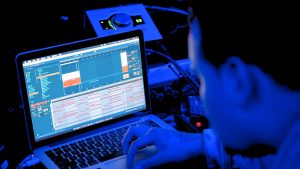
An entry-level controller plugs directly into your computer via a simple USB cable, turning your laptop into a powerful virtual mixing booth. It gives you real plastic jog wheels to turn, real volume faders to slide, and real knobs to twist, which helps you build vital coordination.
The smartest approach is always to start as simply as possible. Just like a classical percussionist might start learning rhythm with nothing more than a cheap practice pad, a pair of reliable drumsticks, and a free metronome application on their phone, a beginner DJ should start with the bare minimum essentials. It is always best to wait until after your very first lesson before purchasing any hardware. Your professional teacher will assess your personal music tastes during your introductory session and recommend the exact right type of equipment for your goals, ensuring you do not waste your money on the wrong gear.
How much is DJ lessons costs?
When you are planning your personal hobby budget, understanding the financial commitment of professional education is essential. Across the Australian music industry, the average price for high quality, one-on-one private tutoring generally ranges from $70 to $120 per hour.
This hourly rate can fluctuate depending on several key factors, including the studio location, the specific equipment provided during class, and the professional experience of the instructor. For example, learning from an active, touring festival DJ in a city studio will usually sit at the higher end of the scale, while booking sessions with a local bedroom mixing expert might be closer to the entry level price.
Most students find that booking a standard one hour lesson once per week is the absolute sweet spot for making consistent progress. A sixty minutes session gives you plenty of time to review your homework, learn a brand new mixing technique from your tutor, and get hands-on feedback on your timing before you head home to practice independently for the rest of the week.
Is it worth taking DJ lessons online or in person?
Choosing between physical studio classes and digital remote learning depends entirely on your schedule, your learning style, and what kind of physical setup you have at home. Both learning models offer brilliant advantages, and there is no single right answer for everyone.
Taking your classes in person inside a professional studio space is highly recommended if you want a deeply tactile, hands-on experience right from day one. In a physical studio, you get to plug into high end, industry standard gear without having to buy it yourself first. Your teacher can stand right next to you, physically demonstrating how gently to nudge a jog wheel or how swiftly to move a crossfader, which accelerates your coordination.
Alternatively, online live streaming lessons offer unparalleled flexibility for busy individuals who want to avoid rushing through city traffic after a long day at work. Through creative use of dual cameras and high quality digital screen sharing, an online tutor can look directly at your personal controller and guide you through software settings in real time. This allows you to practice in the comfort of your own home, using your own personal gear, which builds immense confidence for your independent practice sessions.
Is it too late to learn how to DJ as an adult?
There is a widespread misconception floating around social media that electronic music is strictly a young person’s game, but this could not be further from the truth. The world of mixing tracks has absolutely no expiration date, and starting your musical journey later in life actually brings several massive structural advantages.
As an adult, you possess a far deeper emotional connection to the music genres you love, whether that is classic nineties house, heavy techno, old school hip hop, or modern organic lounge beats. You also bring superior cognitive discipline, better organizational skills, and genuine self-motivation to your practice sessions because you are choosing to be there for your own creative fulfilment.
Learning how to mix is a fantastic, deeply engaging way to decompress after a stressful corporate work week. It forces your brain to focus entirely on tactile coordination and sonic textures, allowing you to completely switch off from emails and daily responsibilities. If you are ready to explore your passion for rhythm, taking the plunge into professional DJ coaching is the ultimate way to build your technical confidence, develop your unique musical ear, and comfortably master the decks at your own pace.
 September 30, 2026
Where Could I Find an Affordable Clarinet Teacher in Sydney?
TL;DR A limited monthly budget can still leave you with options for clarinet lessons in Sydney. Start with the price… September 26, 2026
Where to Actually Look Before You Buy an Instrument
The obvious first search usually isn't the right one. The instinct is almost always the same. A lesson gets booked,… September 23, 2026
What Should I Learn First on Piano? A Beginner’s Step-by-Step Guide
TL;DR Start by learning the keyboard pattern, a small group of notes, finger numbers and a steady beat. Practise a… September 23, 2026
How Much Does Logic Pro Cost for Beginners?
TL;DR Logic Pro is Apple's music production software for Mac. In Australia, Logic Pro for Mac costs $299.99 as a…