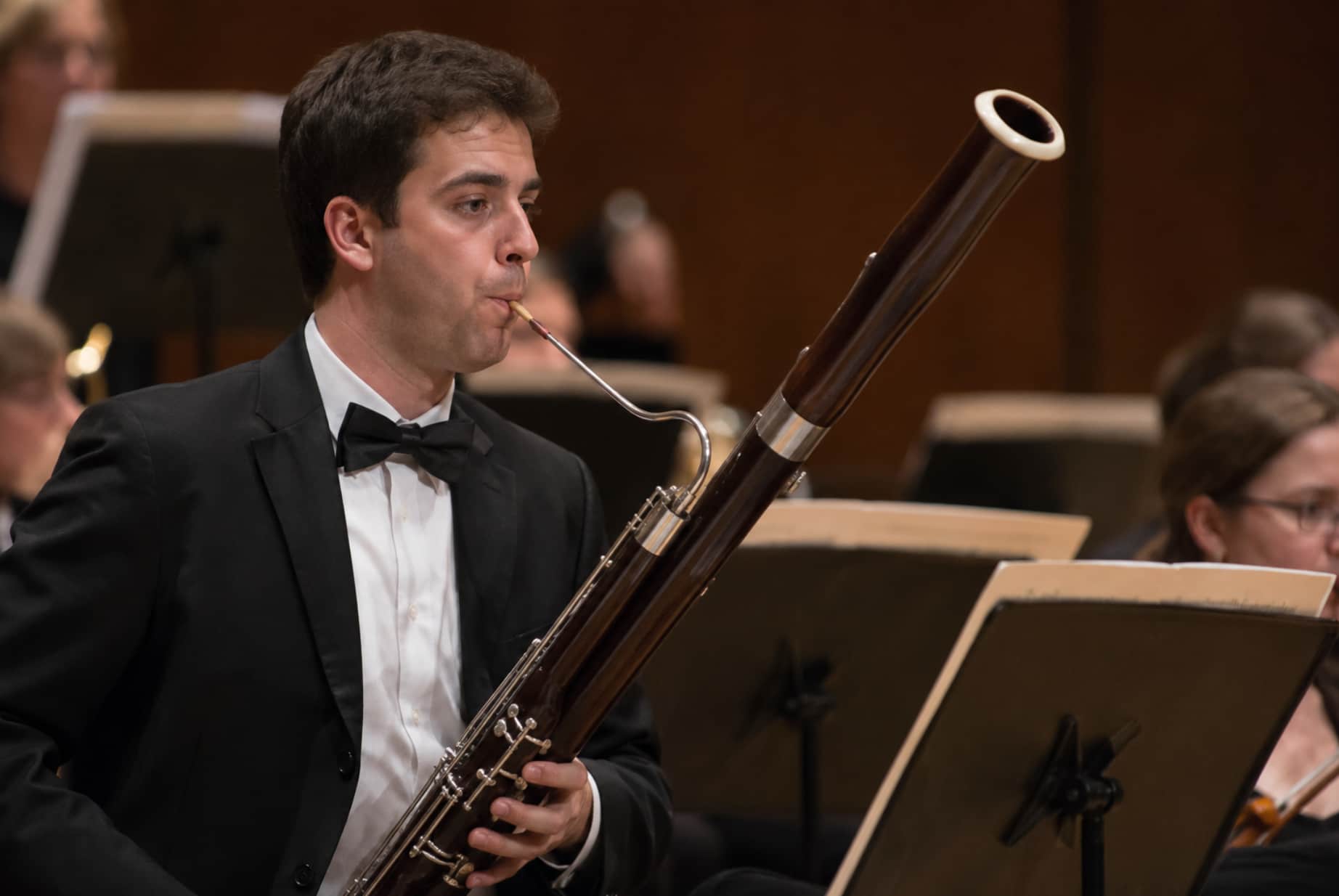
The bassoon is one of the most distinctive instruments in the orchestra, known for its deep, rich tone and striking appearance. Often recognised by its long wooden body and curved metal crook, it stands out visually and musically among other woodwind instruments. For beginners exploring bassoon lessons, a common question is whether the instrument is difficult to learn, and whether it is a suitable instrument for children, teenagers, or adults. Understanding how the bassoon works, what makes it challenging, and what benefits it offers can help determine whether it is the right musical path.
What Is the Bassoon?
The bassoon is a double-reed woodwind instrument that produces sound through the vibration of two pieces of cane bound together. Air is blown between the reeds, creating a resonant and expressive tone. It is the lowest-pitched standard woodwind instrument in the orchestra, often providing depth and support to ensemble sound.
The instrument itself is typically made from maple wood, although student models may use synthetic materials for durability. It is constructed in several parts, including the boot joint, bass joint, wing joint, and bell, all connected by a long metal tube called the bocal or crook.
Because of its length and folding design, the bassoon can look complex at first glance, but it is carefully engineered to be playable and balanced.
What Does The Bassoon Sound Like?
The bassoon is known for its wide expressive range. It can produce warm, mellow tones in its lower register and surprisingly bright, reedy sounds in its higher register. This contrast allows it to perform both serious melodic lines and humorous or character-driven passages in orchestral music.
Composers often use the bassoon to add personality to musical storytelling. Its sound can feel playful, solemn, mysterious, or expressive depending on how it is played.
In orchestras, the bassoon frequently supports harmony, doubles bass lines, or performs solo passages that stand out due to its distinct timbre.
Is the Bassoon Hard to Learn?
The bassoon is generally considered a challenging instrument for beginners, but not necessarily more difficult than other orchestral woodwinds when approached with proper instruction.
Several factors contribute to its learning curve:
- The instrument requires careful embouchure control to produce a stable sound.
- Double reeds are sensitive and require maintenance and adjustment.
- Fingerings can be complex due to the number of keys and long tubing system.
- Breath support must be consistent to maintain tone quality.
- The instrument itself is physically large and requires proper handling.
However, difficulty does not mean inaccessibility. With structured lessons and regular practice, many students progress steadily and develop strong foundational skills.
What Age Is Best To Learn Bassoon?
The bassoon is often introduced to students slightly later than smaller woodwind instruments due to its size and breath requirements. Many learners begin around ages 11 to 14, although this can vary depending on physical development and school programs.
Adults can also learn the bassoon successfully. In fact, adult learners may benefit from stronger focus and discipline, which can help overcome initial technical challenges more efficiently.
Suitability is often less about age and more about interest, patience, and willingness to engage with a complex but rewarding instrument.
What Does Learning Bassoon Involve?
Learning bassoon involves developing several core musical skills over time. Beginners typically focus on sound production before moving into more advanced techniques.
A typical learning journey may include:
- Developing a stable embouchure and consistent tone
- Learning how to assemble, hold, and care for the instrument
- Practising long tones for breath control and sound stability
- Learning basic fingerings and scales
- Developing reed control and adjustment awareness
- Playing simple melodies and ensemble pieces
As progress continues, students begin exploring more advanced repertoire and orchestral excerpts.
How Is The Bassoon Different To Other Wind Instruments?
The bassoon stands apart from other woodwind instruments such as the flute, clarinet, and saxophone due to its size, range, and tonal character.
Unlike the flute, which produces sound through air across an opening, the bassoon uses a double reed similar to the oboe. However, it produces a much lower pitch and has a broader, more grounded tone.
Compared to the clarinet and saxophone, the bassoon has a more complex fingering system and a more specialised role in ensembles. It is less commonly used in popular music, but it is essential in classical and orchestral settings.
The bassoon’s role is often supportive, but it also has moments of prominence that highlight its expressive qualities.
What Equipment Is Needed to Learn Bassoon?
Starting bassoon lessons requires several key pieces of equipment. The most important is a student-friendly bassoon, which is often lighter and more durable than professional models.
Other essential items include:
- Bassoon reeds (usually handmade or teacher-recommended)
- A bocal (metal crook connecting reed to instrument)
- A seat strap or harness for support
- Cleaning materials and swabs
- Reed case for storage
Because reeds significantly affect sound quality, students often work closely with teachers to learn how to choose and maintain them.
How Much Practice Does the Bassoon Require?
Like most musical instruments, progress on the bassoon depends on consistent practice rather than occasional long sessions. Beginners benefit most from structured, focused practice routines.
A typical practice session may include:
- Long tones to develop sound quality
- Scale practice for finger coordination
- Reed testing and adjustment
- Simple etudes or beginner repertoire
- Listening exercises to develop tone awareness
Even 20–30 minutes of daily practice can lead to steady improvement over time. As skills develop, practice duration and complexity typically increase.
Is the Bassoon Important in Orchestras?
Yes, the bassoon plays a vital role in orchestral music. It often supports the lower register of the woodwind section, blending with bass instruments while also providing melodic contrast when needed.
One of its most notable roles is its ability to add character to musical passages. Composers frequently use the bassoon to create humour, warmth, or emotional depth within orchestral works.
In many orchestras, the bassoon also doubles or reinforces bass lines, helping to create a balanced overall sound.
Can the Bassoon Be Played in Different Music Styles?
Although the bassoon is most commonly associated with classical music, it is not limited to orchestral settings. It also appears in chamber music, film scores, contemporary compositions, and occasionally jazz or experimental music.
Modern composers continue to explore the bassoon’s expressive potential, expanding its role beyond traditional orchestral use.
While it is not as common in mainstream popular music, its unique tone ensures it remains a valuable and distinctive instrument across multiple genres.
Should I Learn Bassoon?
Learning the bassoon can be highly rewarding for students who enjoy unique instruments and are interested in orchestral music. While it requires patience and dedication, it offers musical experiences that are not easily replicated by other instruments.
The challenges of learning bassoon often lead to strong musicianship skills, including breath control, listening ability, and technical precision. These skills can also transfer to other instruments if a student chooses to expand their musical journey.
Speaking with a qualified bassoon teacher can provide clarity on whether the instrument is the right fit and help beginners get started with confidence and the right foundational technique.
 September 30, 2026
Where Could I Find an Affordable Clarinet Teacher in Sydney?
TL;DR A limited monthly budget can still leave you with options for clarinet lessons in Sydney. Start with the price… September 26, 2026
Where to Actually Look Before You Buy an Instrument
The obvious first search usually isn't the right one. The instinct is almost always the same. A lesson gets booked,… September 23, 2026
What Should I Learn First on Piano? A Beginner’s Step-by-Step Guide
TL;DR Start by learning the keyboard pattern, a small group of notes, finger numbers and a steady beat. Practise a… September 23, 2026
How Much Does Logic Pro Cost for Beginners?
TL;DR Logic Pro is Apple's music production software for Mac. In Australia, Logic Pro for Mac costs $299.99 as a…