TL;DR:
- Our top overall beginner bass for 2026 stood out in both our own research and Guitar World’s latest roundup, but the reasons it earned first place go beyond reputation alone.
- Cheap does not automatically mean difficult to play. Setup quality often matters more than beginners expect.
- Buying a second-hand bass can save money, but check the frets, neck, electronics and truss rod before committing.
- Trying a bass in person lets you assess its weight, neck feel and setup before committing, although reputable online retailers remain a practical option.
- Most beginners do not need complicated electronics. A well-built passive P/J bass offers plenty of useful tones without making the controls difficult to understand.
Buying your first bass is equal parts exciting and confusing. There are dozens of “best beginner bass” lists online, many of them ranking different basses according to different priorities, which does not help much when you simply want a clear answer. Below, we have ranked five genuinely solid beginner basses, checked current prices from official brands and Australian retailers, and answered the questions that often determine whether a first bass remains useful or is abandoned after the first few months.
Trying a bass in person can still reveal things that specifications cannot, particularly its weight, neck shape and overall feel. Beginners taking bass guitar lessons can also discuss these factors with their teacher before committing to a particular model.
What Are the Best Bass Guitars for Beginners in 2026?
We compared five widely recommended beginner basses on price, pickup configuration, build quality, and how they stack up against other 2026 roundups, including Guitar World’s own beginner bass guide. Here’s how they rank, counting down to our overall pick.
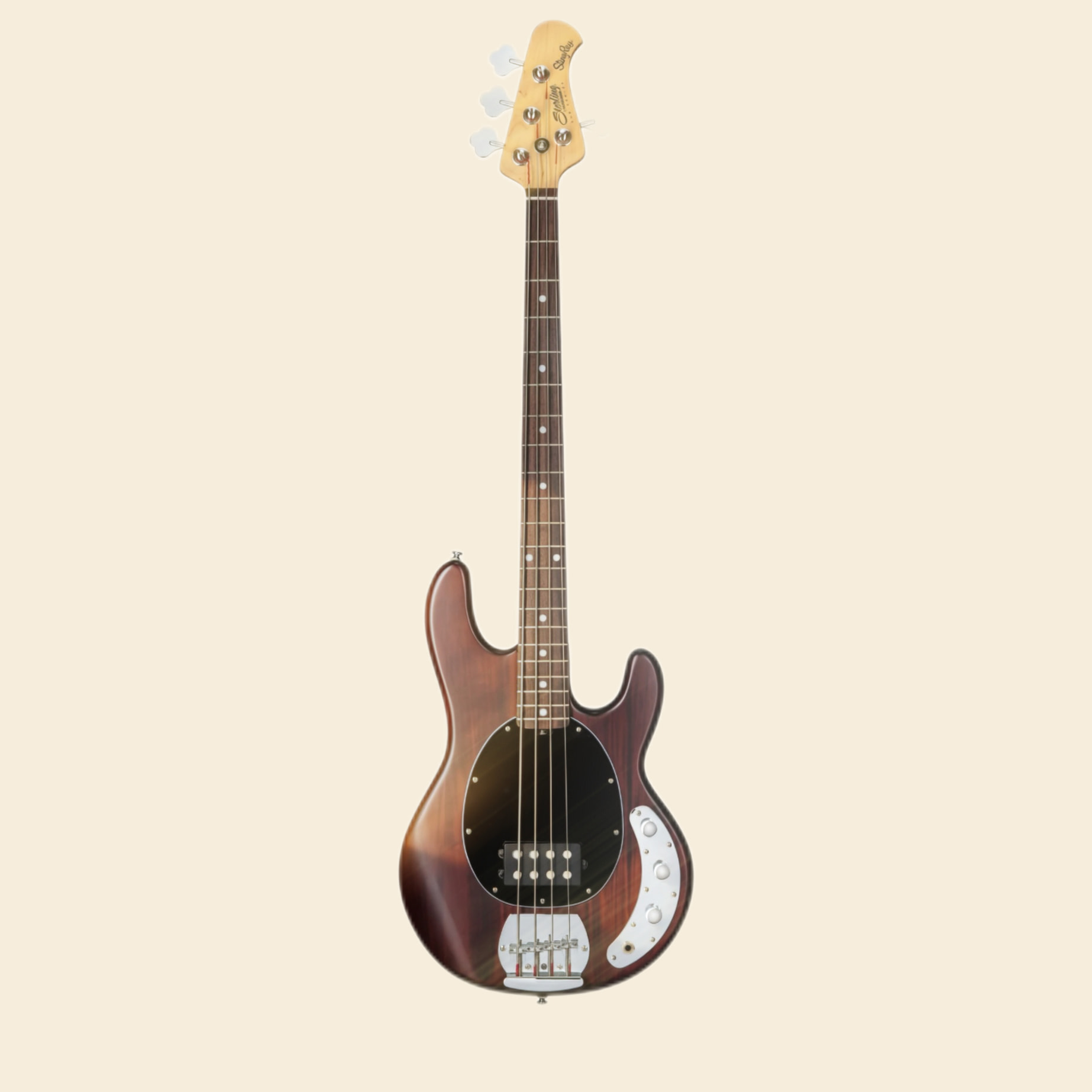
No. 5: Sterling by Music Man SUB Ray4
Official US price: $399.99 USD, approximately $575 AUD
(Before Australian taxes and import costs)
The Ray4 is the affordable cousin of the classic Music Man StingRay, with a single ceramic humbucker and an active 2-band EQ.
It has a genuinely punchy, throaty tone that suits rock and funk particularly well, and reviewers frequently describe it as performing above its price point.
It ranks fifth here for two reasons rather than any real fault: its sound is more distinctive and less neutral
than the P/J-equipped models above, and its active controls may be more than a complete beginner needs while they are still working out what kind of tone they prefer.
Guitar Player’s 2026 roundup specifically recommends it for adults who want “something a little more serious,”
which is a fair way to think about it. It is a strong first bass if you already know you want that StingRay sound, and an equally appealing upgrade later on.
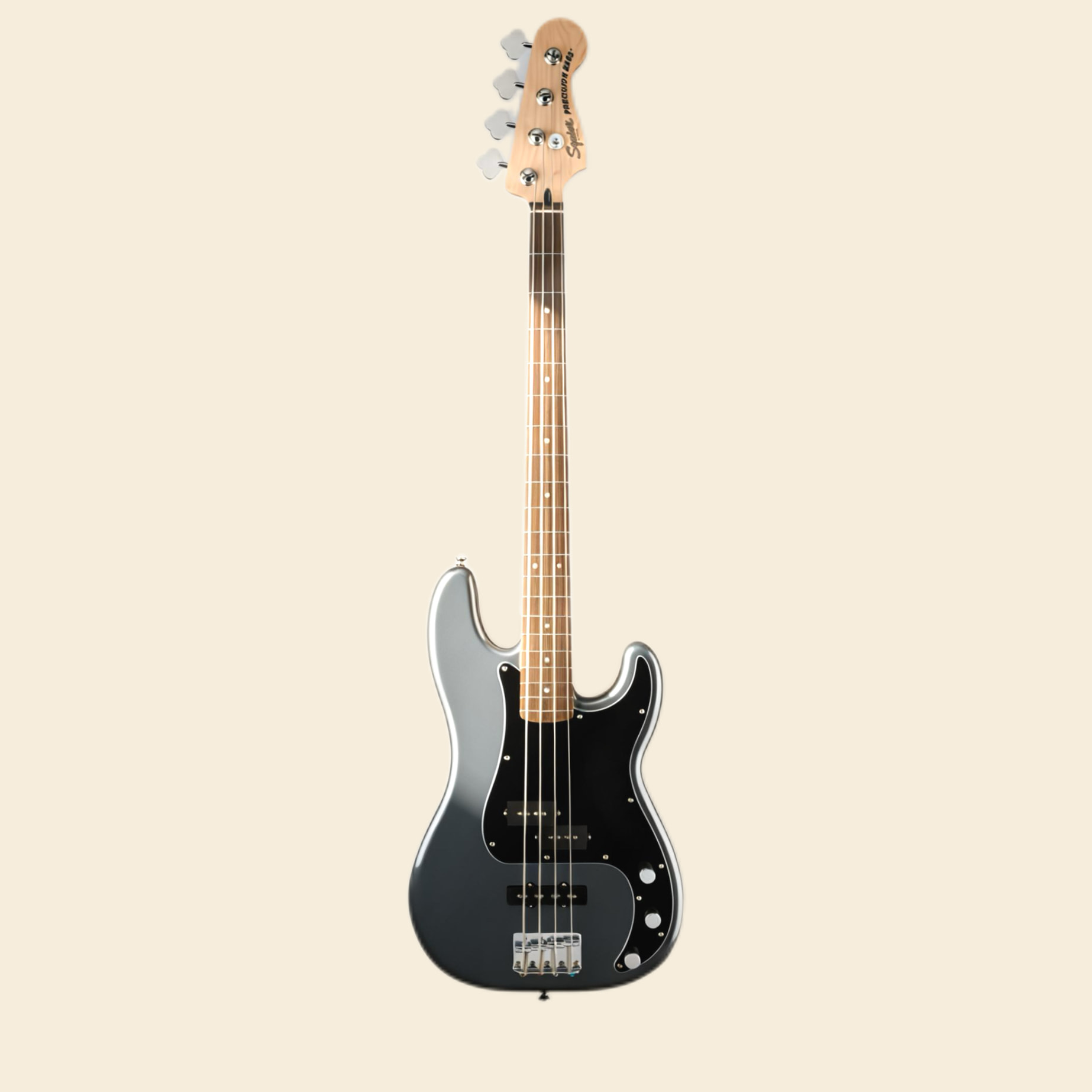
No. 4: Squier Affinity Precision Bass PJ
Official Australian price:
$579 AUD
(Including GST)
The Affinity PJ combines a classic split-coil Precision Bass pickup with a Jazz Bass bridge pickup for extra brightness and definition.
It is genuinely comfortable to play, uses the familiar Precision Bass body shape and a slim C-shaped neck, and has a large upgrade and replacement-parts ecosystem.
Some reviewers note that the stock pickups sound slightly muddier than those on a full Fender equivalent.
At this price, that is understandable and can be addressed later if the player chooses to upgrade the pickups.
It is still a dependable first bass for players who value a familiar design and easy access to replacement parts.
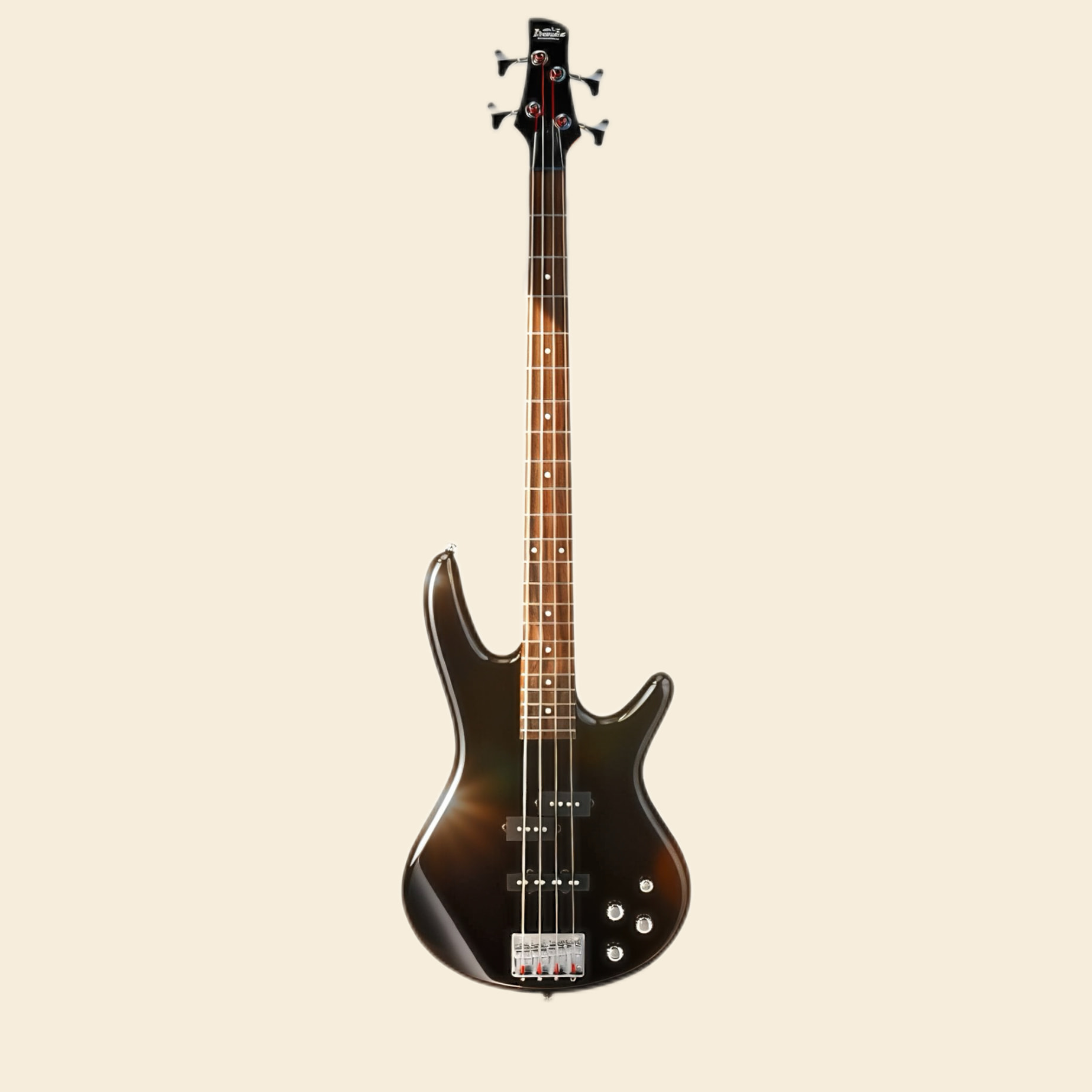
No. 3: Ibanez GSR200
Price: approximately $469–$499 AUD
(Official price not listed; Australian retail prices vary)
The GSR200 pairs a P/J pickup configuration with an active Phat II EQ boost, giving it more tone-shaping options than many straightforward passive basses at a similar price.
Its slim neck profile and relatively compact body may also feel more manageable for some beginners.
The four-control layout gives each pickup its own volume knob, alongside a passive tone control and the Phat II bass boost. This lets a beginner compare the Dynamix P neck pickup with the Dynamix J bridge pickup and hear what changes when the two are blended. Ibanez lists a 34-inch scale, 41 mm nut width and 19 mm string spacing, so the slim neck should not be mistaken for a short-scale design.
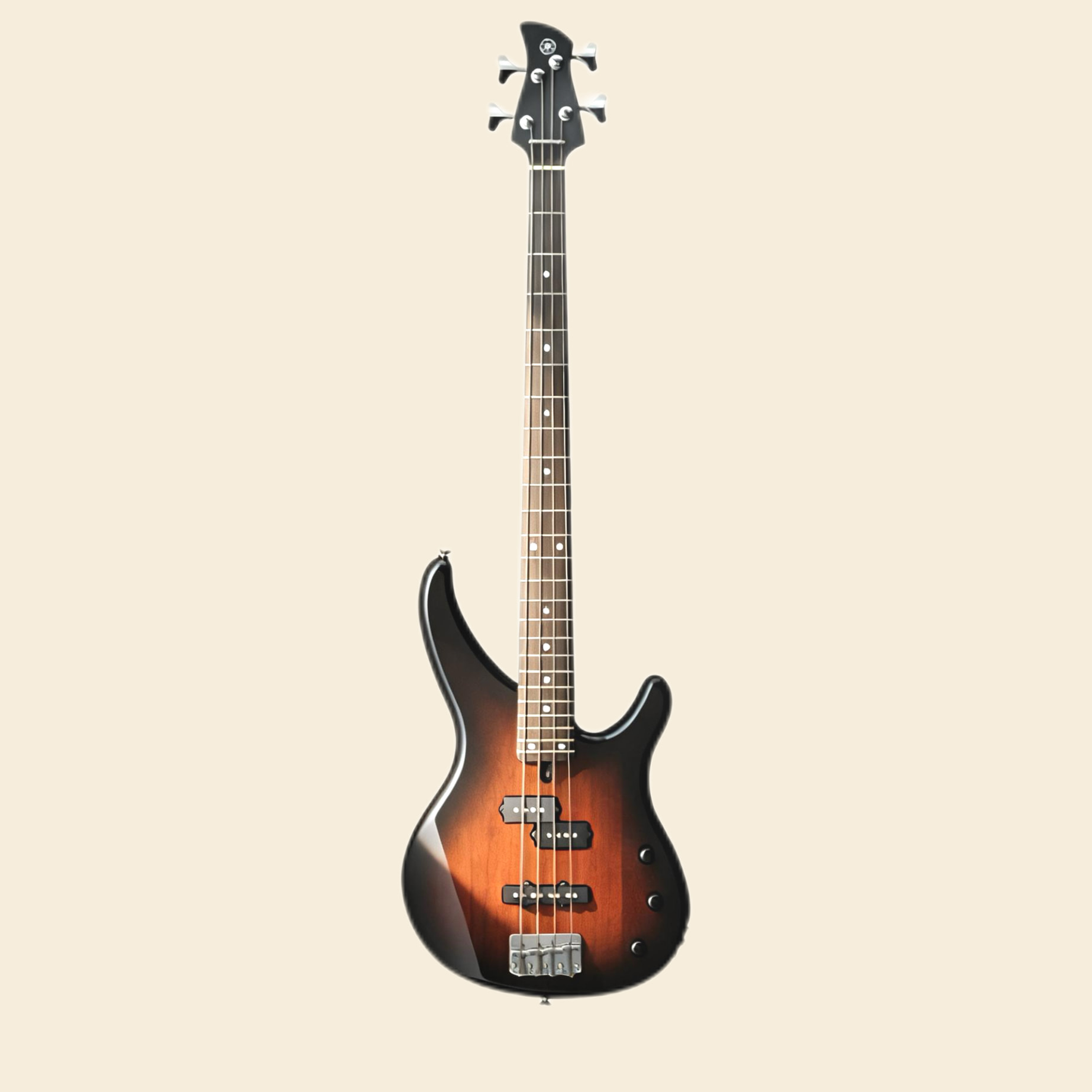
No. 2: Yamaha TRBX174
Price: approximately $330–$350 AUD
(Official price not listed; Australian retail prices vary)
The TRBX174 appears regularly in beginner bass recommendations for good reason. It combines a passive
P/J pickup configuration with a straightforward control layout and a strong sound for its price.
Yamaha is also known for relatively consistent quality across its entry-level instruments. At the lower end of its price range, it’s also the most affordable bass on this list,
making it a strong pick if budget is the deciding factor.
Yamaha specifies a full 34-inch scale, a 40 mm nut width and 24 medium frets. It is a full-size bass rather than a short-scale model.
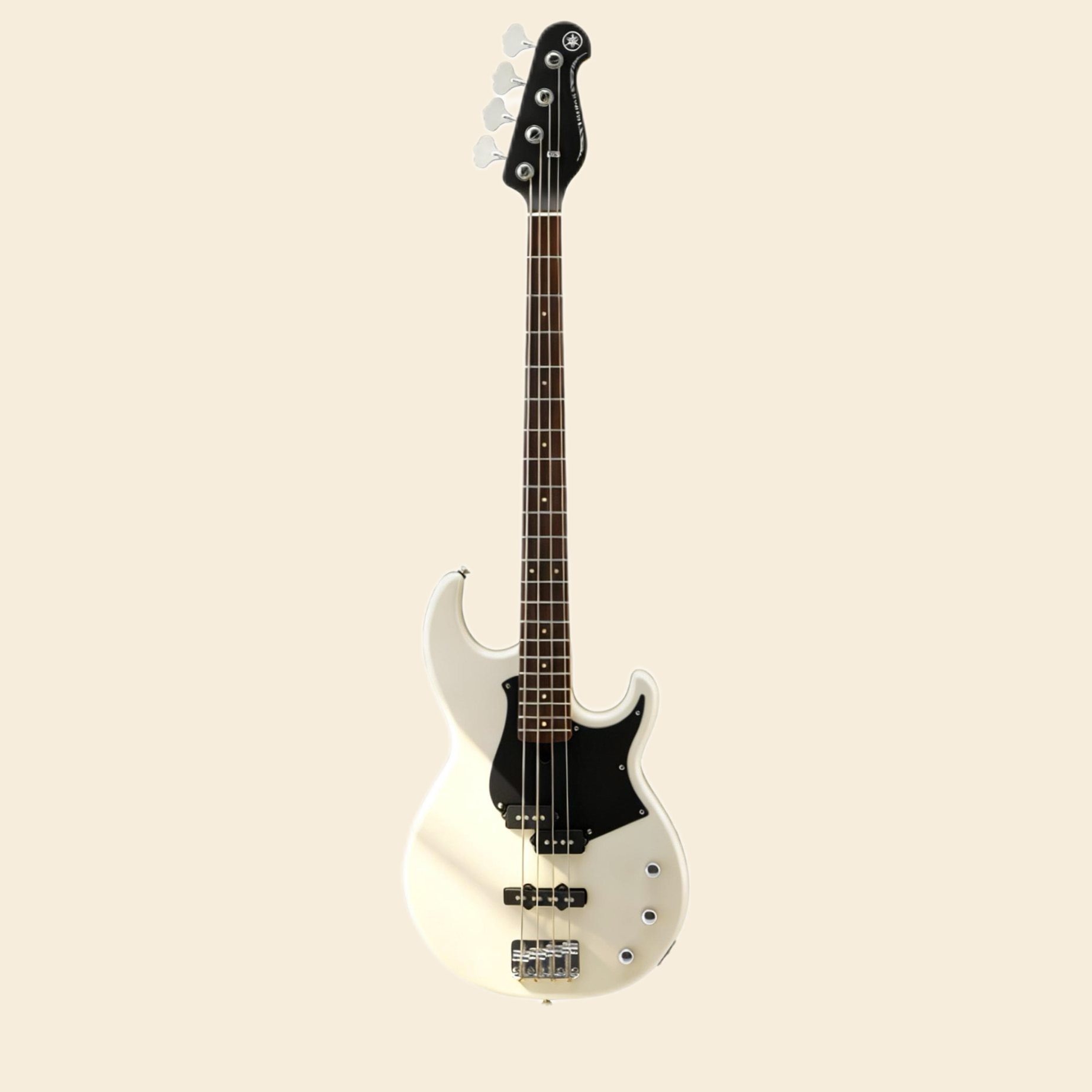
No. 1: Yamaha BB234
Official US price: $319.99 USD, approximately $460 AUD
(Before Australian taxes and import costs)
Our overall pick, and Guitar World’s 2026 choice for best beginner bass too.
The BB234 pairs Custom V3 ceramic P/J pickups with a solid alder body and a neck profile designed for comfortable playing.
The P/J setup gives beginners a useful range of tones while they are still working out which styles they prefer, and the controls
remain simple, with separate volume knobs for each pickup allowing you to adjust the balance between them.
It also has enough build quality and versatility to stay useful well beyond the beginner stage, so most players are unlikely to feel the need to upgrade quickly.
Its full-size 34-inch scale may be less suitable for younger children, but for most teenagers and adults, it is one of the strongest all-round starting points available
| Rank | Bass | Price Reference | Pickups | Best For |
|---|---|---|---|---|
| No. 1 | Yamaha BB234 | Official US price: US$319.99, approximately A$460 | P/J, passive | Best all-round first bass |
| No. 2 | Yamaha TRBX174 | Typical Australian retail price: A$330–A$350 | P/J, passive | Lower budgets |
| No. 3 | Ibanez GSR200 | Typical Australian retail price: A$469–A$499 | P/J, active boost | Wider tone shaping |
| No. 4 | Squier Affinity Precision Bass PJ | Official Australian price: A$579 including GST | P/J, passive | Future upgrades |
| No. 5 | Sterling by Music Man SUB Ray4 | Official US price: US$399.99, approximately A$575 | Humbucker, active EQ | Rock and funk tones |
Prices combine official Australian prices, Australian retail ranges and conversions from official US prices, so final local pricing may vary.
Are Cheap Bass Guitars Good Enough for Beginners?
Often, yes, but not automatically. Price alone doesn’t tell you whether a bass will be easy or frustrating to learn on.
- Some of the most noticeable quality-control problems on very cheap basses involve the setup, fretwork, neck alignment and hardware rather than the basic pickup design.They’re things like uneven fret levelling, a neck that wasn’t properly straightened before leaving the factory, or hardware with sloppy tolerances. Any of these can make a bass buzz, feel stiff or struggle to stay in tune, regardless of how good the pickups sound.
- A known entry-level model is not the same as a no-name bass. Established brands such as Squier, Yamaha and Ibanez generally provide more predictable quality control, easier access to replacement parts and a clearer second-hand market. A generic bass from an unfamiliar brand may play perfectly well, but there is often less information available about its long-term reliability, replacement parts and resale value.
- Setup usually matters more than the logo on the headstock. A properly set-up A$400 bass can feel easier to play than a more expensive instrument with excessively high action or poor intonation. If you’re buying in person, ask whether a setup is included. If buying online, budget for a setup at a local shop shortly after it arrives.
A Real Student Example
One student came to us with a bass she had bought second-hand through an online marketplace. It was from a brand she had never heard of, and the seller did not accept returns. It looked fine in photos. In person, the neck had a visible twist that no amount of truss rod adjustment could fully correct, and by then it was too late to return. She ended up buying a Yamaha TRBX174 a month later and has played it happily ever since.
- Very low prices deserve closer inspection. At the very bottom of the new-instrument market, particularly with unfamiliar brands and no clear warranty, quality can be less predictable. Low-priced instruments are not automatically poor, but buyers should check the return policy, setup and build quality carefully.
Should You Buy a New or Used Bass Guitar as a Beginner?
Both are reasonable choices. The right answer mostly comes down to budget and how confident you feel checking an instrument over.
- New basses come with a warranty, and it’s worth knowing this varies more than people expect. Fender and Squier basses carry a 2-year limited warranty in Australia. Yamaha bass guitars purchased through authorised Australian Yamaha dealers carry a five-year manufacturer’s warranty. A warranty won’t catch every issue, since normal wear items like frets and strings usually aren’t covered, but it does protect against genuine manufacturing defects.
- Used basses can offer meaningful savings, but the amount you save varies widely depending on their condition, age and demand. You are also taking on the risk that the original owner or seller may not fully disclose any problems. That is fine, as long as you know what to check.
Before buying secondhand, look for:
- Fret wear. Small grooves or flat spots on the frets, especially in the first few positions, can contribute to buzzing, uneven notes or poor intonation. Minor wear is normal on an older bass. Deep grooves may eventually require fret dressing or a refret, which can be expensive.
- A warped or bowed neck. Look along the neck from the headstock towards the body. It should appear mostly straight, with a small amount of relief rather than a visible twist or wave. Any visible twist or wave is a bigger problem than a truss rod adjustment can usually fix.
- Noisy electronics. A bit of crackle when turning the volume or tone knob is often just a dirty pot and an easy, cheap fix. Persistent hum, signal dropouts or loud crackling may point to wiring, shielding or grounding problems that require closer inspection.
- A damaged truss rod. Ask whether the truss rod has been adjusted successfully and look for damage around the adjustment nut. If there is any doubt, have an experienced technician inspect it rather than forcing it to turn. This is one of the more expensive problems to fix properly, sometimes requiring a full neck replacement.
Pro tip: Bringing an experienced player or teacher can be worthwhile when buying used. A short inspection may identify problems that are difficult to spot in listing photos.
Should You Buy a Bass Guitar Online or Try It in a Shop First?
For a first bass, trying it in a shop still has a real edge, and the difference is mostly about the buying experience rather than the instrument itself.
In a shop, you can feel the neck width and weight before committing and hear how the bass actually sounds through an amp. Some music shops also inspect or set up instruments before collection, although this service varies and should be confirmed before purchasing.
Buying online usually offers better prices and a wider selection. Reputable online retailers may also carry out a quality check before shipping, although the level of inspection and setup varies between sellers. The trade-off is that you are relying entirely on the retailer’s quality control rather than inspecting the bass yourself. If something is wrong, you may need to arrange a return or exchange instead of simply taking it back to a local store. If you buy online, choose an established Australian retailer with a clear return policy. It may also be worth arranging a professional setup after the bass arrives, especially if you are not confident checking it yourself.
Does the Type of Pickup Matter on a Beginner Bass?
Yes, though less than most beginners assume, since all the pickup configurations covered here are suitable for beginners; the main difference is their tonal character rather than difficulty.
P (split-coil) pickups give a warm,punchy and mid-focused tone commonly associated with classic rock, soul, reggae and Motown-style basslines. This design sits at the heart of the original Precision Bass.
J (single-coil) pickups tend to sound brighter and more articulate. When two Jazz-style pickups are blended together, they can also produce a slightly scooped, defined tone associated with funk and jazz bass.
PJ setups, which four of the five basses in this guide use, combine both in one instrument. It is a common configuration on beginner basses because it covers a broad range of sounds without requiring complicated controls.
Humbuckers, like the one on the Sterling Ray4, are higher output and naturally hum-cancelling, with a strong, punchy character that suits rock and funk especially well.
Do beginners actually need to chase versatility? Honestly, not as much as gear reviews suggest. Most new players spend their first year exploring a handful of styles, not switching genres weekly, and a solid PJ pickup setup covers that range comfortably. Versatility becomes more useful once you already know what styles you’re drawn to and want a bass that can follow you there.
Which Beginner Bass Guitar Should You Buy?
- Best overall: Yamaha BB234
- Best under a lower budget: Yamaha TRBX174
- Best for rock: Sterling by Music Man SUB Ray4
- Best for versatile tones: Ibanez GSR200
- Best for long-term ownership: Squier Affinity Precision Bass PJ
Any of these five can make a genuinely good first bass. The main differences come down to budget, the sound you prefer and how much flexibility you want for future adjustments or upgrades. For players still comparing neck shapes, pickup configurations and setup quality, a trial bass lesson in Sydney can provide some practical context before choosing a model.
 September 30, 2026
Where Could I Find an Affordable Clarinet Teacher in Sydney?
TL;DR A limited monthly budget can still leave you with options for clarinet lessons in Sydney. Start with the price… September 26, 2026
Where to Actually Look Before You Buy an Instrument
The obvious first search usually isn't the right one. The instinct is almost always the same. A lesson gets booked,… September 23, 2026
What Should I Learn First on Piano? A Beginner’s Step-by-Step Guide
TL;DR Start by learning the keyboard pattern, a small group of notes, finger numbers and a steady beat. Practise a… September 23, 2026
How Much Does Logic Pro Cost for Beginners?
TL;DR Logic Pro is Apple's music production software for Mac. In Australia, Logic Pro for Mac costs $299.99 as a…