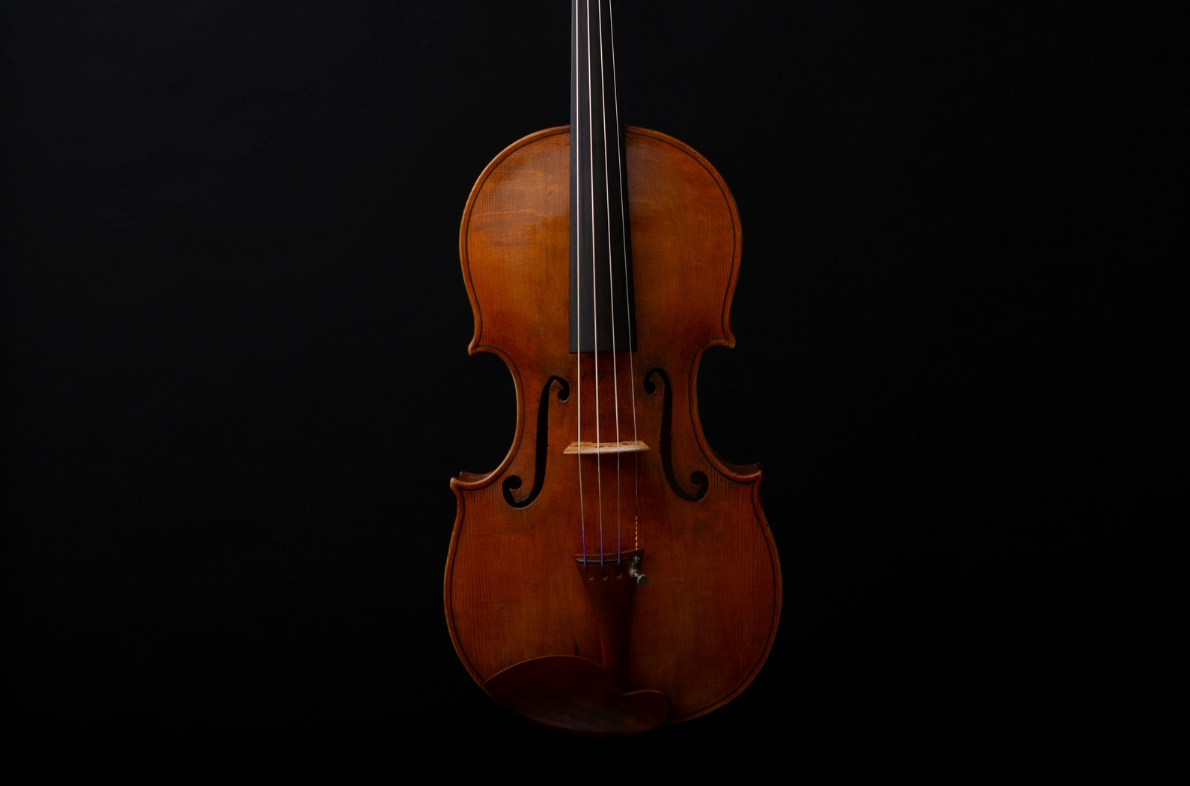
Viola is often underestimated.
At first glance, it looks almost identical to the violin. Same shape, same family, same way of holding it. Many viola beginners in Sydney assume the transition will feel simple, or that viola is just a slightly larger version of violin.
Then they try it.
Within the first few minutes, something feels different. The instrument responds slower. The hand feels more stretched. The sound doesn’t immediately behave the way they expect.
This usually leads beginners to ask a very direct question:
Is viola actually harder to learn, or does it just feel unfamiliar at the beginning?
The short answer is that viola is not fundamentally harder than violin. But it does demand a different type of control, especially in the early stages.
And that difference is exactly what most beginners underestimate.
Is viola harder than violin?
This is a common comparison, but the answer depends on what “harder” actually means.
Violin feels more sensitive, viola feels more physical.
On violin, small changes in finger placement, bow angle, or pressure are immediately noticeable. The instrument tends to expose small mistakes quickly, which makes it feel demanding in terms of precision and control.
Viola, on the other hand, requires more physical adjustment before the sound feels stable. The slightly larger size, increased reach, and different weight distribution of the bow mean the body needs a bit more time to adapt before everything feels natural.
So the difference is not really about difficulty level, but about the type of difficulty each instrument creates.
A simple way to understand it is:
- Violin = precision control
- Viola = physical control + precision balance
Neither is easier overall. They simply challenge different parts of coordination.
A useful analogy is driving different types of vehicles. Violin is like driving a small car where every small movement is instantly reflected in direction and response. Viola is more like driving something slightly larger, where you need to adjust your physical awareness and movement a bit more deliberately before everything feels smooth. The skill is still driving, but the feedback and effort feel different.
This is also why some players who struggle on violin may feel more comfortable on viola, and vice versa. It is less about talent, and more about which type of physical coordination feels more natural to the player.
Why does viola feel harder?
Most of the difficulty in viola comes from physical adjustment rather than musical complexity.
The instrument is slightly larger than violin, which changes how the body interacts with it. The left hand has to stretch a bit more. The bow requires slightly different weight distribution. Even the posture feels subtly shifted.
These changes are small individually, but together they create a noticeable learning curve.
Beginners often experience:
- slower finger response
- slightly heavier bow feeling
- reduced comfort in left-hand positions
- difficulty finding stable intonation
None of these are signs of poor ability. They are simply the body adapting to a new instrument size and weight distribution.
Unlike piano or guitar, string instruments rely heavily on physical memory. The body has to “learn the shape” of the instrument before anything feels natural.
Viola just takes a bit longer to settle.
Why Viola Feels Difficult at First
| Challenge | What’s happening | Why it matters |
| Larger size | increased arm reach | affects comfort and accuracy |
| Thicker strings | more resistance | harder to produce clean tone |
| Lower pitch range | less audio clarity | harder to hear mistakes |
| Alto clef | new notation system | slows reading speed |
Why does viola tone sound unclear?
One of the most common frustrations for beginners is tone clarity.
Early viola sound is often described as:
- soft
- unclear
- slightly unstable
This is not because the instrument is poor quality or “harder to sound good on”. It is because viola requires more controlled bow usage than most beginners expect.
The bow must maintain a balance between:
- speed
- pressure
- contact point
If any one of these is inconsistent, the sound becomes less focused.
The lower register of viola also behaves differently from violin. It does not “project” immediately. Instead, it needs time and consistent bow energy to fully develop the sound.
This is why beginners sometimes feel like they are doing everything correctly, but still not getting a strong tone.
In reality, the coordination is just not fully developed yet.
Why do viola beginners struggle with intonation?
Intonation is one of the biggest learning curves in viola.
Because the instrument is larger, finger spacing is slightly wider. This means:
- small positioning errors become more noticeable
- muscle memory takes longer to develop
- note placement feels less automatic at first
On top of that, the viola naturally has a darker and warmer tone than the violin. Combined with its lower register, beginners may initially find subtle pitch differences harder to identify by ear, especially while they are still developing their listening skills. This often improves with consistent practice and ear training.
Many beginners assume they are “playing wrong notes” more often than they actually are. In reality, they are usually very close, just not yet consistent.
Intonation in viola improves mainly through repetition rather than conscious correction.
How to improve viola tone faster
Instead of trying to fix everything at once, beginners improve faster when they slow things down and focus on control. Viola tone is not something you force into place. It develops when the bow, hand, and ear start working together more consistently.
Most tone issues are actually control issues in disguise. So progress comes from simplifying practice, not adding more complexity.
Start every practice with open string bowing
Open strings remove left-hand pressure, so your focus goes fully to the bow.
You are not trying to “play music” yet. You are checking how the bow behaves on the string.
Pay attention to:
- whether the sound stays even
- whether tone changes across the bow
- whether your arm feels smooth or tense
Even a few minutes can reset your setup before playing pieces.
Keep bow movement slow and controlled
Many beginners speed up or press harder when tone sounds weak.
For viola, slower bowing usually improves clarity more effectively.
A slower bow lets you hear problems earlier and adjust in real time.
Think of it as drawing sound rather than pushing it.
Avoid pressing too hard with the left hand
A common mistake is over-pressing the string.
It feels like it should help, but most tone comes from the bow, not finger force.
Too much pressure creates tension and can even reduce clarity.
Use only the pressure needed for the note to speak cleanly.
Listen for consistency, not volume
Beginners often focus on loudness, but volume is not tone quality.
A better focus is:
Does the sound stay stable from start to end of the bow?
Good tone is even and controlled, not necessarily strong.
Repeat simple scales daily instead of complex pieces
Hard pieces hide technical issues because attention is split.
Simple scales expose them clearly.
They help you fix:
- bow control
- finger spacing
- tone stability
Less exciting, but far more effective.
The goal in early stages is control, not performance
At this stage, improvement is about building coordination between bow, hand, and ear.
Once these become stable, tone improves naturally.
Good sound is usually a result of control, not effort.
Why does reading alto clef feel confusing?
One unique challenge in viola is alto clef.
For beginners coming from violin or piano, this often feels like learning a new language.
At first:
- note positions feel unfamiliar
- reading speed slows down
- mistakes happen frequently
This is completely normal.
A helpful way to think about it is this: it is less like learning a completely new instrument, and more like suddenly being asked to read a familiar book that has been translated into a slightly different alphabet. You still recognise the story, but your brain needs a moment to stop tripping over the new symbols.
The key thing to understand is that alto clef is not harder, just different. Once the pattern becomes familiar, reading becomes automatic like any other clef.
Most students only struggle during this transition period, not long-term.
Most difficult parts of learning viola (beginner stage)
- Intonation consistency
- Bow control stability
- Reading alto clef
- Producing stable tone
- Physical comfort with instrument size
This ranking is not about talent. It reflects the natural order in which control develops.
Can I learn viola without a teacher?
Technically yes, but most beginners underestimate the feedback problem.
Viola is an instrument where small mistakes compound quickly.
For example:
- slightly wrong bow angle
- unnoticed tension in shoulder
- inconsistent finger spacing
These do not feel wrong while playing, but they affect long-term development.
A teacher helps by identifying these early, before they become habits.
This is why many students improve faster when they start structured viola lessons in Sydney, especially in the first few months.
It is not about learning more information. It is about correcting invisible errors.
How long does it take to sound good on viola?
“Sound good” depends on expectation.
Most beginners notice:
- basic control within a few weeks
- simple melodies within a few months
- stable tone within 6–12 months
However, improvement is not linear.
There are periods where progress feels slow, followed by sudden improvements where things start to feel natural.
This is a normal part of developing any physical instrument skill.
Viola is not harder than violin in a strict sense. It is simply less forgiving in physical adjustment and slightly slower in early feedback.
Most beginners struggle not because they lack ability, but because the instrument takes time to align with the body.
Once that adjustment phase passes, viola becomes one of the most expressive instruments in the string family, especially in ensemble settings.
This is also where structured guidance from viola teachers or consistent practice through viola lessons can make a noticeable difference, not because they speed up talent, but because they help remove early technical confusion that slows progress unnecessarily.
 September 30, 2026
Where Could I Find an Affordable Clarinet Teacher in Sydney?
TL;DR A limited monthly budget can still leave you with options for clarinet lessons in Sydney. Start with the price… September 26, 2026
Where to Actually Look Before You Buy an Instrument
The obvious first search usually isn't the right one. The instinct is almost always the same. A lesson gets booked,… September 23, 2026
What Should I Learn First on Piano? A Beginner’s Step-by-Step Guide
TL;DR Start by learning the keyboard pattern, a small group of notes, finger numbers and a steady beat. Practise a… September 23, 2026
How Much Does Logic Pro Cost for Beginners?
TL;DR Logic Pro is Apple's music production software for Mac. In Australia, Logic Pro for Mac costs $299.99 as a…