If you have ever wondered how it was made and how all those layers of sound came together into something that feels effortless, you have already asked the question that most beginner producers start with: is music production actually hard to learn? The honest answer is yes, it takes real time and effort. But “hard” doesn’t mean impossible, and it certainly doesn’t mean out of reach. Thousands of people start learning music production every year with no prior experience and go on to create music they are genuinely proud of. What determines how quickly you progress isn’t talent. It’s about understanding what you’re getting into and approaching it the right way from the start.
What Does A Music Producer Do?
A music producer is responsible for shaping the overall sound of a track from start to finish. This includes writing or co-writing music, choosing and programming the instruments and sounds, arranging the different sections of a song, recording and editing audio, mixing all the elements together so they sit well, and preparing the final track for release. In a professional context, producers also work closely with artists and vocalists to bring out the best performance and guide the creative direction of a project.
In practice, this means a music producer needs to develop skills across several different areas at once, including music theory, sound design, rhythm and arrangement, mixing technique, and an understanding of the software they are working in. This is one of the main reasons music production has a reputation for being difficult: you are not just learning one thing, you are learning many things simultaneously and gradually connecting them together.
That said, you do not need to master everything at once. Most producers start by focusing on one area, like building beats, learning their software, or recreating songs they love, and expand from there. The key is getting started and building momentum.
Can I Learn Music Production On My Own?
Yes. Many successful producers have done exactly that. The internet has made self-teaching more accessible than ever, with platforms like YouTube offering free tutorials on almost every aspect of music production. If you are disciplined, curious, and willing to spend hours experimenting and troubleshooting, you can make real progress on your own.
However, self-teaching comes with some significant challenges that are worth understanding before you go down that path.
- The learning curve is steep without direction. Music production software, often called a DAW (Digital Audio Workstation), is powerful but complex. Programs like Ableton Live, FL Studio, and Logic Pro have hundreds of features, and knowing which ones to focus on first is not always obvious. Many self-taught beginners spend months going in circles, watching tutorials without a clear structure, and not knowing why their music doesn’t sound the way they want it to.
- Bad habits are hard to unlearn. Without feedback from someone more experienced, it is easy to develop poor mixing habits, rely on the wrong techniques, or misunderstand fundamental concepts that affect everything you produce later. These habits can hold back your progress for years without you realising it.
- Motivation can drop quickly. Music production is one of those skills where the gap between what you imagine in your head and what you can actually produce feels enormous in the early stages. Without support or community, many self-taught learners give up before they get to the point where things start clicking.
This is why many beginners in Sydney find that working with a music production teacher, even for a short period, gives them a much clearer path forward. A good teacher can compress months of trial and error into focused lessons, identify exactly where you are going wrong, and keep you motivated through the harder phases of learning.
According to research by Creech and Hallam (2011), published in Frontiers in Education, assistance and positive reinforcement from teachers have been shown to significantly impact learning outcomes compared to self-directed study alone, particularly for beginner students who lack the experience to accurately assess their own progress.
It is also worth noting that self-teaching and guided learning are not mutually exclusive. Many producers in Sydney start with a teacher to build a strong foundation and then continue learning independently once they have the tools to do so effectively. Others dip in and out of lessons depending on where they are in their creative journey. The combination of structured guidance and independent experimentation is often the most effective approach of all.
How Can I Start Producing Music?
Starting music production does not require a professional studio or expensive equipment. Here is what you actually need to get going:
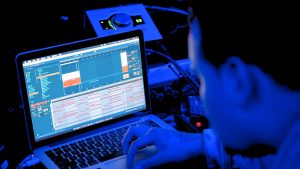
- A computer and a DAW: Your laptop or desktop is your studio. Choose a DAW to learn and stick with it. Switching between software constantly slows your progress. Ableton Live, FL Studio, and Logic Pro (Mac only) are the most popular choices for beginners. Most offer free trials or introductory versions so you can get started without spending anything upfront.
- Headphones or monitor speakers: You need to be able to hear your music accurately. A decent pair of studio headphones is enough to start. You do not need expensive monitor speakers in the early stages.
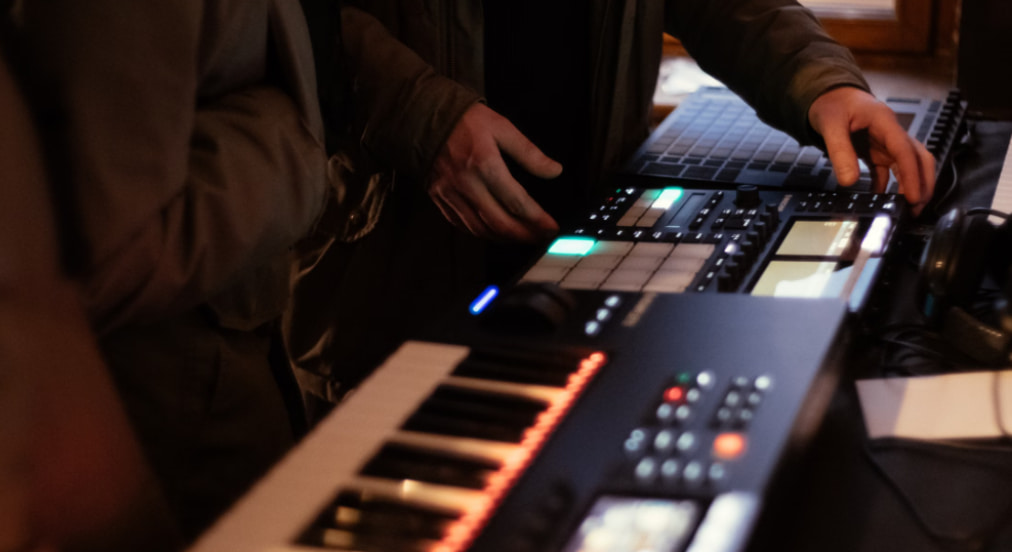
- A MIDI keyboard (optional but helpful): A small, affordable MIDI keyboard makes it much easier to program melodies, chords, and basslines. It is not essential, but most producers find it speeds up their workflow significantly.
- A structured learning plan: This is the part most beginners skip, and it is the most important. Rather than jumping between random YouTube tutorials, start with the fundamentals: learn your DAW, understand basic music theory, practise building simple beats and chord progressions, and gradually take on more complex techniques. Give yourself time to absorb each concept before moving on.
- Consistency over intensity. Thirty minutes of focused practice every day will take you further than a six-hour session once a week. Music production is a skill that builds through repetition and experimentation, and regular practice is what cements what you learn.
- Embrace the messy early stages. Every producer, no matter how experienced, made music that sounded rough when they were starting out. The early phase of learning is about building familiarity with your tools and developing your ear, not making perfect tracks. Giving yourself permission to make bad music is one of the most important mindset shifts a beginner can make.
One of the most effective ways to start is to pick a song you love and try to recreate it. This gives you a clear target, forces you to listen analytically, and teaches you a huge amount about arrangement, sound choice, and mixing. Even if the result sounds nothing like the original, you will learn more from that one exercise than from hours of passive tutorial watching.
Music Production Lessons In Sydney
If you are serious about learning music production, whether you want to make beats, produce your own songs, or eventually work with other artists, getting proper guidance from a teacher is one of the fastest ways to accelerate your progress.
Sydney has a strong community of music producers and teachers who offer both in-person and online lessons across a wide range of genres, from electronic and hip-hop to pop, indie, and film scoring. Whether you are a complete beginner who has never opened a DAW before, or someone who has been self-teaching for a while and feels stuck, the right teacher can make a significant difference in how quickly and confidently you develop.
A good music production teacher will assess where you are, design a learning path that fits your goals and style, give you honest feedback on your work, and hold you accountable so you actually make progress between sessions. They will also help you avoid the common mistakes that hold back self-taught producers, such as bad mixing habits, gaps in music theory knowledge, and over-reliance on presets without understanding what you are actually doing.
When looking for a music production teacher in Sydney, it is worth asking about their genre experience, the software they teach, and how they structure lessons for beginners. Treat the first lesson as a two-way conversation. A good teacher will be just as interested in understanding your goals as you are in learning their approach.
 September 30, 2026
Where Could I Find an Affordable Clarinet Teacher in Sydney?
TL;DR A limited monthly budget can still leave you with options for clarinet lessons in Sydney. Start with the price… September 26, 2026
Where to Actually Look Before You Buy an Instrument
The obvious first search usually isn't the right one. The instinct is almost always the same. A lesson gets booked,… September 23, 2026
What Should I Learn First on Piano? A Beginner’s Step-by-Step Guide
TL;DR Start by learning the keyboard pattern, a small group of notes, finger numbers and a steady beat. Practise a… September 23, 2026
How Much Does Logic Pro Cost for Beginners?
TL;DR Logic Pro is Apple's music production software for Mac. In Australia, Logic Pro for Mac costs $299.99 as a…