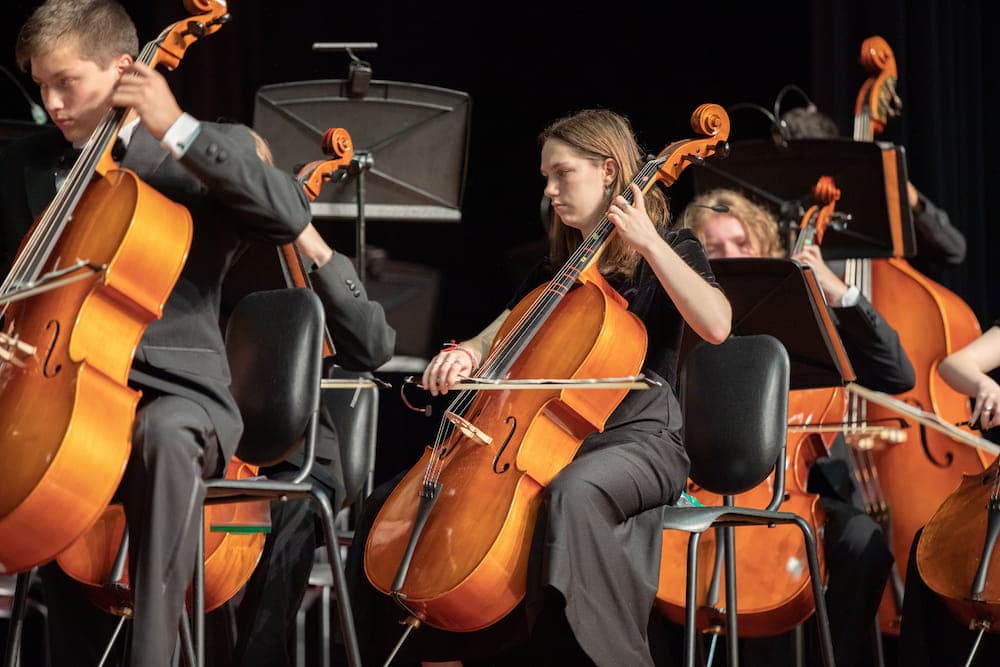
The cello is considered one of the most beautiful and emotional instruments in the world. It’s rich, warm sound can be heard in orchestras, movie soundtracks and modern music, making it a popular choice for aspiring musicians of all ages. However, many beginners hesitate before starting because they wonder whether the cello is difficult to learn, expensive to maintain or simply too challenging for someone without musical experience.
The truth is that while the cello comes with unique challenges, it is far more achievable than many people expect. Like any instrument, progress requires patience and consistent practice, but beginners often discover that the rewards of learning cello outweigh the initial difficulties. Understanding what makes the cello different and knowing what to expect can help students start their musical journey with confidence and having ease learning cello lessons.
Why Does The Cello Look More Difficult Than Other Instruments?
The cello looks more difficult to play compared to other instruments because of the size. When compared to smaller instruments like the violin or flute, the cello can seem more daunting. Beginners often worry about managing the bow, sitting correctly and remembering where to place their fingers without visible frets or markings.
However, appearances can be deceiving. While the cello requires coordination, its larger size can actually make some techniques easier to visualise. Many students find the playing position more comfortable than smaller string instruments because it rests on the floor rather than being held under the chin. What initially seems intimidating often becomes manageable once students begin learning the basics.
The cello also has a reputation for being difficult because there are several skills being learned at the same time. Beginners are not only learning notes and rhythm, but also developing bow control, posture and hand positioning simultaneously. This can make the first few lessons feel overwhelming. However, this challenge is not unique to the cello. Every instrument has its own learning curve, and what often makes the cello seem harder is simply that many of its challenges are more visible. Someone watching a cellist perform can immediately see the physical coordination involved, whereas the difficulties of other instruments are not always as obvious.
Many students are surprised to discover that the cello feels more natural than they expected once they sit down and start playing. Rather than focusing on how difficult the instrument appears, it is more useful to focus on how skills develop over time. Like most instruments, the cello becomes significantly less intimidating once the fundamentals are understood and small improvements begin to build confidence.
Is The Cello Actually Hard To Learn As An Adult?
The cello is not hard to learn as an adult, in fact it’s a misconception that instruments should only be learned as a child. In reality, many adults successfully learn the cello and often bring advantages such as patience, discipline and strong motivation.
Adults sometimes worry that they have missed their opportunity or that younger learners will progress faster. While children may absorb certain skills naturally, adults are often better at setting goals and maintaining consistent practice habits. The biggest obstacle is usually confidence rather than ability.
Learning the cello as an adult may require patience, but it is never too late to start. Many students begin lessons later in life and find the experience both rewarding and enjoyable.
What often holds adults back is not the difficulty of the instrument itself, but unrealistic expectations. Many adult learners compare themselves to experienced musicians or expect rapid progress within a short period of time. This can create unnecessary frustration when improvement feels slower than anticipated. In reality, learning the cello is a long-term skill that develops gradually, regardless of age. Adults who approach learning with curiosity and realistic goals often make steady progress because they understand the value of consistency.
There are also advantages to learning as an adult that are frequently overlooked. Adults typically choose to learn because they genuinely want to, rather than because they have been encouraged by parents or schools. This intrinsic motivation can lead to greater commitment and enjoyment throughout the learning process. While younger students may have more time to develop their skills, adults often have stronger focus and self-discipline when practising.
The question is therefore less about whether the cello is hard to learn as an adult and more about whether someone is willing to commit to the process. For most adult learners, the answer is yes, and many find that learning the cello becomes one of the most fulfilling challenges they have taken on.
How Long Does It Take To Sound Good On The Cello?
Many beginners want to know how quickly they can expect results. While every student progresses differently, understanding realistic timelines can help prevent frustration.
Beginner Cello Timeline
First Month
- Learning posture and bow hold
- Producing first notes
- Understanding basic rhythm
Three Months
- Playing simple melodies
- Improved tone quality
- Increased confidence
Six Months
- Greater control of bowing technique
- More complex songs
- Stronger reading skills
One Year
- Consistent sound production
- Intermediate repertoire
- Improved musical expression
Progress is rarely perfectly linear. Some weeks feel highly productive, while others feel slower. The key is focusing on long-term improvement rather than daily perfection.
What Makes Cello Seem Hard
The biggest challenge cellist face is learning multiple skills at the same time. Unlike a piano, where pressing a key produces the correct note immediately, cellists must coordinate posture, bow movement, finger placement and pitch simultaneously. While this can feel overwhelming at first, these challenges are a normal part of the learning process and become easier with consistent practice.
Top 5 Challenges For Beginner Cellists
1. Bow Control
Many teachers consider bow control one of the hardest skills for beginners because it directly affects sound quality. Producing a smooth, clear tone requires control over bow speed, pressure and positioning. The challenge isn’t just moving the bow—it’s learning how to move it consistently.
2. Finger Positioning And Intonation
Unlike instruments with keys or frets, the cello has no markers showing where notes should be played. Beginners must train their ears and develop muscle memory to place their fingers accurately. This is why learning pitch accuracy, known as intonation, often takes time.
3. Producing A Consistent Tone
A surprise for beginners is that playing the correct note doesn’t always mean it will sound good. Tone quality depends on several factors, including bow technique and relaxation. Developing a rich, confident sound is a gradual process rather than an overnight achievement.
4. Reading Music While Playing
Many students learn music notation while learning the cello itself. Reading notes, maintaining rhythm and managing technique at the same time can initially feel challenging, but it becomes much more natural with experience.
5. Staying Patient
Progress on the cello can feel slow in the beginning because multiple skills are developing at once. Students who stay consistent and focus on small improvements are usually the ones who achieve the best long-term results.
While these challenges are real, they are also completely normal. Every experienced cellist has faced them, and with regular practice they become far more manageable over time.
Do I Need To Be Talented To Play Cello?
You do not need to have natural talent when picking up cello, cello is one of the least forgiving instruments when you’re starting out. Even talented beginners usually sound like beginners. Producing a good tone, controlling the bow and developing accurate intonation are skills that have to be built through repetition. Talent might help someone learn those skills slightly faster, but it doesn’t remove the need to learn them in the first place.
In many cases, consistency matters far more than natural ability. A student who practises regularly, stays patient during frustrating periods and keeps showing up each week will usually make more progress than someone who relies purely on talent. This is because musical development is often less about breakthrough moments and more about small improvements compounding over time.
A better question to ask yourself is “Am I willing to stick with it when I’m not immediately good at it?” For most successful cellists, that’s the question that actually determined their progress.
Why Is The Cello Considered One Of The Most Emotional Instruments?
The cello is considered one of the most emotional instruments because of its sound. The way people respond to it and feel connected to it when listening to it across classical music, film scores and contemporary music. Moreover composers often turn to the cello when they want to create a sense of vulnerability, nostalgia, longing or reflection.
One reason for this emotional connection is the instrument’s range and expressive flexibility. The cello can move between deep, resonant notes and higher, singing melodies without losing its warmth. This allows it to convey a wide range of emotions that feel natural and human. While no instrument perfectly replicates the human voice, researchers have found that instruments such as the cello are often perceived as “voice-like” because of their expressive capabilities and ability to sustain melodic lines in a way that feels emotionally communicative.
What is particularly interesting is that the cello is rarely the loudest instrument in an ensemble, yet it is often the instrument audiences remember most. This is because emotional impact is not created by volume or technical complexity alone. The cello occupies a musical space that feels personal and intimate, allowing listeners to connect with the music on a deeper level. For many beginners, this emotional quality is one of the main reasons they choose to learn the instrument. They are not simply attracted to how the cello sounds; they are drawn to how it makes them feel.
Are Cello Lessons Worth It For Beginners?
It’s reasonable to wonder whether cello lessons are still worth paying especially with so many tutorials, apps and online courses available. The reality is that most beginners don’t struggle because they can’t find information. They struggle because they don’t know which information matters most at their current stage of learning.
The cello is an instrument where small technical mistakes can have a surprisingly large impact. Something as simple as an awkward bow hold or poor posture can affect tone quality, comfort and long-term progress. A beginner often won’t notice these issues themselves because they don’t yet have a reference point for what feels or sounds correct. Lessons provide immediate feedback, helping students fix problems before they become habits.
There’s also a difference between practising and practising effectively. Many self-taught learners spend hours repeating the same things without understanding why they aren’t improving. A teacher removes much of that guesswork by creating a clear pathway forward. Instead of constantly deciding what to learn next, students can focus their energy on improving.
Perhaps what surprises many beginners most is how much motivation comes from having guidance from their cello teachers. Learning the cello is rewarding, but it can also be frustrating when progress feels slower than expected. Regular lessons provide encouragement, accountability and a sense of direction. For many students, that support is what keeps them learning long enough to reach the stage where playing becomes genuinely enjoyable.
Key Takeaways
- The cello may look intimidating, but it is highly learnable with consistent practice.
- Adults can successfully learn cello at any age.
- Progress depends more on consistency than natural talent.
- Renting can be a smart option for beginners.
- The cello’s emotional sound is one of its biggest attractions.
- Lessons can help accelerate progress and build confidence.
 September 30, 2026
Where Could I Find an Affordable Clarinet Teacher in Sydney?
TL;DR A limited monthly budget can still leave you with options for clarinet lessons in Sydney. Start with the price… September 26, 2026
Where to Actually Look Before You Buy an Instrument
The obvious first search usually isn't the right one. The instinct is almost always the same. A lesson gets booked,… September 23, 2026
What Should I Learn First on Piano? A Beginner’s Step-by-Step Guide
TL;DR Start by learning the keyboard pattern, a small group of notes, finger numbers and a steady beat. Practise a… September 23, 2026
How Much Does Logic Pro Cost for Beginners?
TL;DR Logic Pro is Apple's music production software for Mac. In Australia, Logic Pro for Mac costs $299.99 as a…