

Free Consultation
Free Consultation
Free Music Lessons Consultation With Luka
Not sure where to get lessons, which teacher to choose, or what you should be paying? Tell me about the student and I will personally recommend the right lessons, the right teacher and a fair price. It is free, and there is no obligation to book.

- No obligation to book
- Answered by me personally
- Any instrument, any age
What You Get in Your Free Consultation
The Right Type of Lessons
An honest recommendation between private lessons, a music school, group classes, and in-home, studio or online.
Help Choosing a Teacher
A teacher matched to the student’s age, goals, personality and location, from our network of teachers across Sydney.
A Straight Answer on Cost
What lessons should realistically cost for your situation, so you know a fair price when you see one.
Answers to Anything Else
Which instrument, what age to start, returning after a break, a child losing interest. If it is about music lessons, ask.
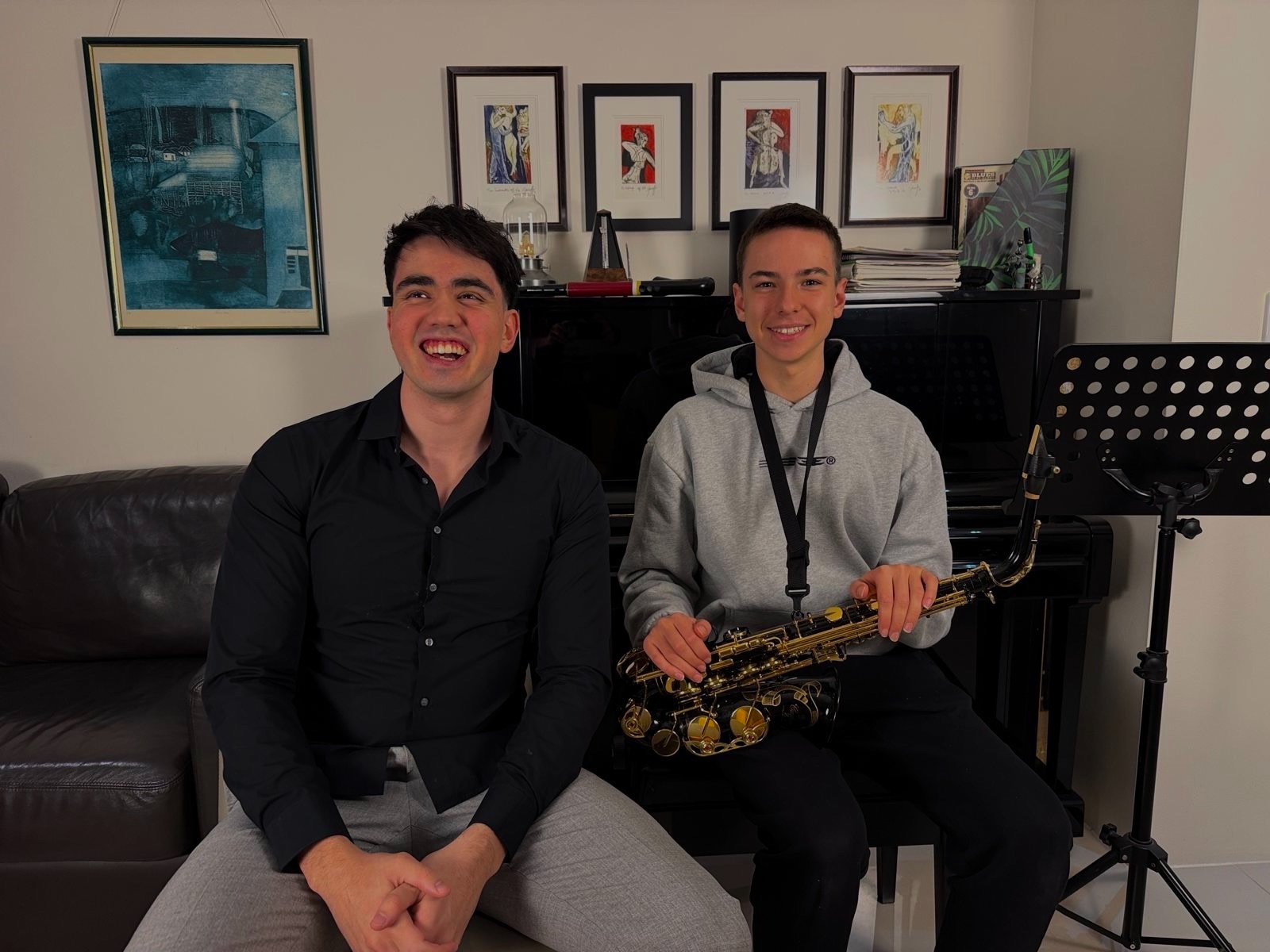
How It Works
- 1. Tell Me About the StudentFill in the short form below: the instrument (or “not sure”), your suburb, the age and level, and what you are hoping to achieve.
- 2. I Look at It PersonallyI read every enquiry myself and work out the best lesson type, teacher fit and price range for you.
- 3. You Get My RecommendationI come back to you with honest advice and, if you would like it, a teacher match. No obligation to book.
Request Your Free Consultation
Tell me a little about who the lessons are for. The more you share (suburb, age, experience level and goals), the more useful my advice will be.
Prefer to talk it through? Call 0404 688 080 or email info@sydneymusiclessons.com.au.
The Guide to Finding Music Lessons in Sydney
If you would like to do some reading first, these are the questions I get asked most. Each one is answered in full below, and I keep them honest and up to date. If yours is not here, ask me in the consultation.
On This Page
Which Instrument Should My Child Learn, and When Should They Start?
The Short Answer
Many children are ready for one-on-one lessons between about 5 and 7, but the instrument matters as much as the age. Piano, violin and recorder suit younger beginners because they come in small sizes or need little physical strength, while most wind and brass instruments are easier to start a little later. The best instrument is usually the one your child is genuinely excited to play.
Signs Your Child Is Ready
- They can focus on one activity for 15 to 20 minutes.
- They show real interest in music, like singing along or asking about a particular instrument.
- They can follow simple instructions and handle gentle correction.
- You can help them practise for a few minutes on most days.
A Rough Guide to Starting Ages
| Instrument | Typical Starting Age | Why |
|---|---|---|
| Piano and keyboard | About 5 to 7 | No size problems, and it builds note reading and coordination that help with any later instrument |
| Violin, viola and cello | About 5 to 7 | They come in small sizes made for children |
| Recorder | About 5 to 8 | Light, affordable and a gentle first wind instrument |
| Ukulele and guitar | Ukulele about 5 to 7, guitar about 6 to 8 | Guitar needs some finger strength, and smaller guitars help |
| Drums and percussion | About 6 to 8 | Needs coordination and enough height to sit at the kit |
| Flute, clarinet and saxophone | About 8 to 10 | Need bigger hands and more breath, and are often started through school band |
| Trumpet and other brass | About 7 to 10 | Needs steady breath control |
| Singing | Formal lessons from about 8 | Younger children usually do better with fun group singing |
These are rough guides, not rules. Every child is different, and good teachers adjust their lessons for younger starters.
How to Choose the Instrument
- Your child’s interest: a child who chose the instrument tends to practise more and stick with it.
- Size and comfort: the instrument should suit their hands, height and strength right now.
- Space and noise at home: a piano or drum kit needs room, while a digital piano or electronic drums with headphones can help.
- Budget: include the instrument and accessories, not just the lessons. Hiring or borrowing first is common.
- Goals: school band, exams, or simply having fun can each point to a different choice.
Do You Need to Buy an Instrument First?
Not always. Many families hire or borrow an instrument for the first few months, and buy once they know their child is sticking with it. Before you buy, read our guide on where to look before you buy an instrument.
Still Not Sure?
Tell me your child’s age, what they enjoy, and the space and budget you have at home, and I will suggest an instrument and a teacher who is good with beginners that age. You can ask in your free consultation.
Where Should I Get Music Lessons? Private Teacher, Music School or Group Class?
The Short Answer
For most beginners, and almost all children, one-on-one lessons with a private teacher get the fastest progress, because the whole lesson is built around the student. Music schools suit people who want structure and a bundle of services in one place. Group classes suit younger kids, social learners and tight budgets. The right choice depends on age, goals, budget and how much flexibility you need.
Private Teachers
One student, one teacher, a lesson built around your goals and pace. Teachers can adjust on the spot, move faster when you are ready and slow down when you are not. Scheduling is usually flexible, and many teachers will travel to your home. The trade-off is that quality varies widely between individuals, and you carry the work of finding and checking them yourself.
Music Schools
A school gives you a ready-made system: a building, a timetable, often a program of concerts and exams, and someone else handling admin. That reliability is the main appeal. The usual downsides are less flexibility, fixed term dates and fees, and less say in which teacher you get.
Group Classes
Group lessons cost less per person and add a social side, which suits younger children, ensembles and people who stay motivated around others. The limit is individual attention. If one student is ahead or behind, the class cannot fully adjust. Group classes work best for early exploration or as a supplement to private lessons.
Online, Studio or In-Home?
All three work. In-home lessons remove the travel and suit young children and busy families. Studio lessons suit instruments you cannot easily bring home, such as a drum kit or a piano you do not own. Online lessons are convenient and widen your choice of teacher, and they work well for older students and for voice, guitar, piano and theory. They are harder for very young children and for instruments where posture and technique need close physical correction.
| Option | Best For | Flexibility | Watch Out For |
|---|---|---|---|
| Private teacher | Fast progress, tailored goals, any age | High: you agree the time and place | Quality varies, and you do the checking |
| Music school | Structure, exams, concerts, one point of contact | Lower: fixed terms and timetables | Less choice of teacher, term fees |
| Group class | Young kids, social learners, tight budgets | Low: set class times | Less individual attention |
| Online lessons | Convenience, wider choice of teacher | High | Harder for young children and hands-on technique |
Which One Should You Choose?
- Child aged 4 to 6: a short group class or a patient private teacher, with lessons kept brief.
- Child aged 7 and older: usually private lessons, as progress is noticeably faster.
- Adult beginner: private lessons, in-home or online, with a teacher used to adult learners.
- Preparing for exams or auditions: a private teacher with a strong track record, or a school with an exam pathway.
- Not sure you will stick with it: start with a single lesson or a short group class before committing to a term.
How Do I Choose the Right Music Teacher?
The Short Answer
Choose a teacher who can play the instrument well, has real teaching experience with students like you, and whose personality and style suit the learner. Book a single lesson before committing to a package. A great player is not automatically a great teacher, and fit matters as much as credentials.
The Factors That Actually Matter
Playing Ability
They should be properly proficient on the instrument. This is the baseline, not the whole picture.
Teaching Experience
Ask how long they have taught and whether they have taught students of your age and level. Teaching is its own skill.
Teaching Style
Some teachers are structured and exam-focused, others relaxed and song-led. The right one depends on what the student wants and how they learn.
Personality Fit
Students practise for teachers they like. A patient, encouraging teacher beats a brilliant but intimidating one, especially for children.
Qualifications
Formal qualifications can help, but they are not the same as being a good teacher. Treat them as one input, not a verdict.
Safety Checks
If the student is under 18, the teacher must hold a valid Working With Children Check. Ask to see it.
Location and Availability
A teacher you can actually get to, or who travels to you, at a time that fits, is a teacher you will keep seeing.
Price and Clarity
Fair pricing, clear cancellation terms and no surprises. See the cost section below.
Questions to Ask Before You Book
- How long have you been teaching, and what ages and levels do you usually teach?
- What does a typical first lesson look like?
- How do you decide what music we work on?
- How do you keep students motivated between lessons?
- What is your cancellation and make-up lesson policy?
- (For under 18s) Do you hold a current Working With Children Check?
Red Flags
- They will only sell packages and will not let you book a single lesson to start.
- They cannot explain how they would structure lessons for your goals.
- Every student gets the same book and the same approach.
- Vague or rigid payment terms, or pressure to prepay for a large block of lessons straight away.
- No Working With Children Check for a teacher working with kids.
- The student dreads the lesson after a few weeks, and nothing changes when you raise it.
Always Book One Lesson Before a Package
A single lesson tells you more than any profile or review, so do not pay for a package up front. Watch how the teacher talks to the student, whether the student leaves smiling, and whether you could see yourselves doing this every week. If the first teacher is not right, switching is normal and does not mean the student has failed. It usually means the match was off.
How Much Should I Pay for Music Lessons in Sydney?
The Short Answer
In Sydney, private music lessons typically cost between about $50 and $120 per hour, with most students paying somewhere in the middle, depending on the teacher, the instrument and where the lesson takes place. Specialist and conservatorium-level teachers can charge more. Group classes cost less per person. A higher price does not automatically mean a better teacher.
These are general market ranges to help you compare, not a quote. Rates vary by teacher, suburb and instrument. Last updated October 2026.
| Lesson Type | Typical Sydney Range | Usually Suits |
|---|---|---|
| Private lesson, 30 minutes | About $35 to $65 | Suits young children and beginners |
| Private lesson, 45 minutes | About $50 to $90 | A common choice for school-age students |
| Private lesson, 60 minutes | About $60 to $120 | Suits teens, adults and exam prep |
| Music school lessons | Often similar per lesson, billed per term | Facilities, admin and sometimes concerts or exams |
| Group class | About $15 to $40 per person per class | Shared teacher time, often with a set program |
What Makes Lessons Cost More or Less
- Teacher experience and qualifications: highly experienced or conservatorium-trained teachers usually charge more.
- Where the lesson happens: in-home lessons can include travel, while studio and online lessons can be cheaper.
- Instrument and level: advanced and specialist instruction costs more than early beginner lessons.
- Lesson length: longer lessons cost more in total but often less per minute.
- Suburb and demand: prices tend to run higher in popular inner suburbs.
Costs People Forget
- Buying or hiring the instrument.
- Books, music and accessories such as strings, reeds or sticks.
- Exam and entry fees, if you go that route.
- Term fees and enrolment fees at music schools.
- Late-cancellation charges and make-up lesson rules.
What Is Worth Paying More For
Pay for a teacher who has taught students like you, who explains things clearly, and whom the student actually enjoys. Paying a premium for a famous name or an impressive résumé does not help a six-year-old who needs patience. On the other side, the cheapest option is rarely a bargain if progress stalls and the student quits. A fair rate, a good fit and consistent lessons beat either extreme.
Other Music Lesson Questions I Can Help With
These come up often, and I am happy to help with any of them in your free consultation.
Adult Beginners and Returning Players
Starting from scratch or coming back after years away.
My Child Has Lost Interest
Whether it is the teacher, the music or the routine, and what to try next.
Exams, Auditions and School Music
Finding a teacher who can prepare you for a specific goal.
Switching Teachers
How to change teachers without awkwardness or losing progress.
Frequently Asked Questions
What is the free music lessons consultation?
It is a free, personal recommendation from me, Luka Petrovic. You tell me about the student, and I advise on the right type of lessons, how to choose a teacher, and what you should expect to pay. If you want, I can also match you with a teacher from our network.
Is the consultation really free? Is there any obligation?
Yes, it is completely free, and there is no obligation to book lessons with us.
How does the free consultation work?
You fill in the short enquiry form with the instrument, your suburb, the age and level of the student, and your goals. I review it personally and come back to you with a recommendation.
Do I have to book lessons through Sydney Music Lessons?
No. You are welcome to take my advice and make your own decision. If you would like us to match you with a teacher, we can do that.
Are private lessons better than a music school?
Not always, but for most beginners and children, private lessons give faster progress because the lesson is tailored to the student. Music schools suit people who want a fixed structure, exams and concerts handled for them.
How much do music lessons cost in Sydney?
Private lessons typically cost about $50 to $120 per hour depending on the teacher, instrument and location. Group classes usually cost less per person.
How do I know if a teacher is right for my child?
Look for real teaching experience with your child’s age, a patient and encouraging personality, a valid Working With Children Check, and a good response in their first lesson. If your child looks forward to the lesson, it is probably a good fit.
Do music teachers come to your home in Sydney?
Many do. In-home lessons are popular with families and busy adults. Tell us your suburb and we can show you the options near you.
What if the first teacher is not a good fit?
It happens and it is normal. A mismatch is about personality and style, not a failure by the student. We can help you find a better match.
What age should my child start music lessons?
Many children are ready between about 5 and 7, depending on the instrument and the child. Younger children can start with shorter lessons or a group class. Ask me if you are unsure about your child’s readiness.
Google Reviews
★★★★★ From students and parents across Sydney
Luka has been great in finding a piano teacher close to my area, and suitable to my availability and kids level, he follows up and ensures the teacher’s program is tailored to the Australian Music Curriculum. Very happy with the teacher and my kid’s progress.
Nir has been a fantastic teacher and has really helped me get some structure into my practice sessions. He’s patient, enthusiastic and very knowledgeable. I’m always impressed when he helps me deconstruct the theory behind a passage of music and explains clearly what’s going on. Coming from a background as a self-taught electric guitarist with a lot of gaps in my knowledge, I’ve found a new avenue for improvement through learning the classical guitar, improving my sight reading and generally working on my musicianship. My lessons with Nir are one of the highlights of my week.
Leah and Luca were great to communicate and take lessons from. Were very open to hearing what my needs and goals were and tailored lessons to suit
About Me
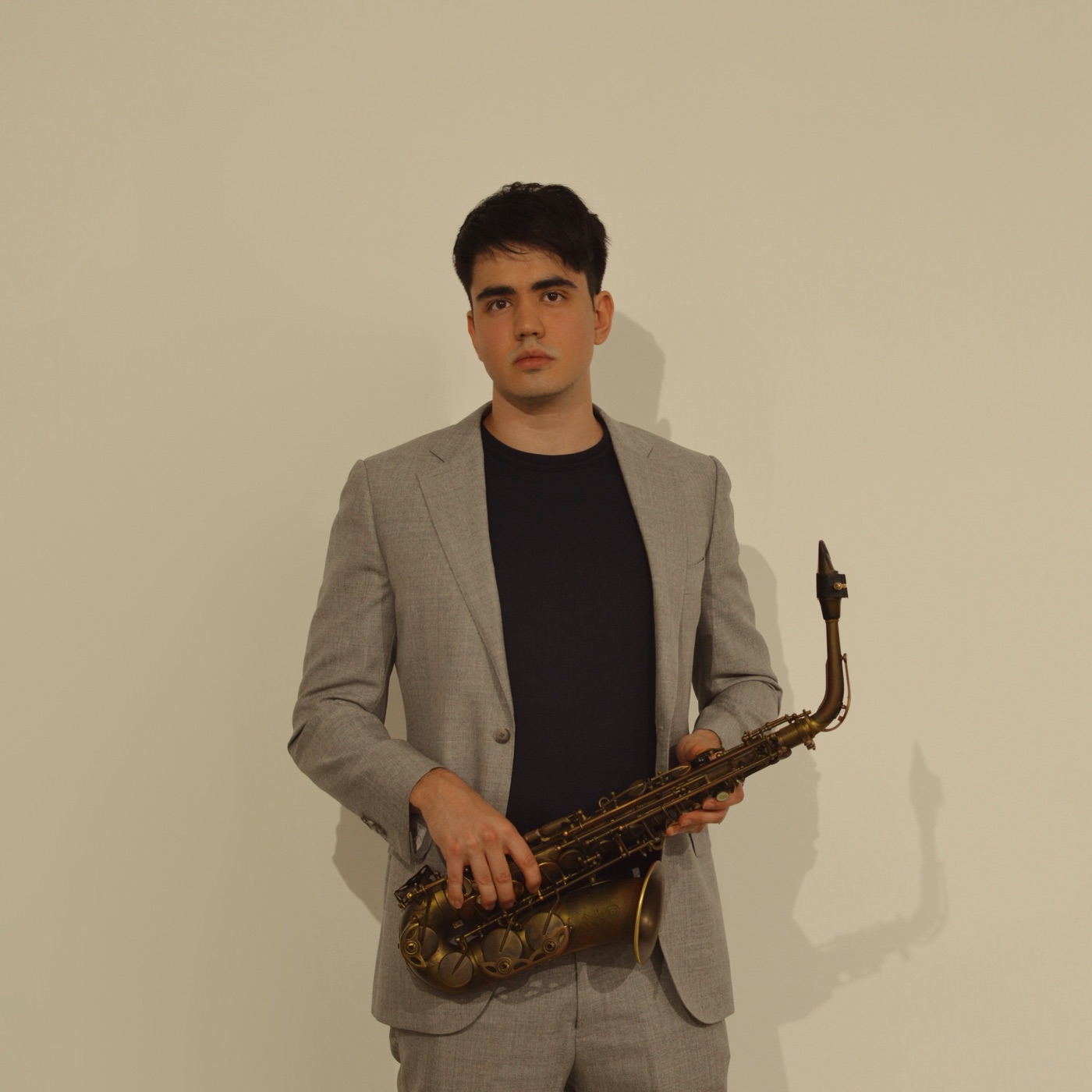
I am Luka Petrovic, founder of Sydney Music Lessons. I am a multi-instrumentalist and private music teacher, and I personally match students with teachers. Every teacher in our network is checked for proven proficiency on their instrument, real teaching experience, and a valid Working With Children Check where they teach minors.
I run a lessons business, so I will tell you plainly: if one of our teachers is the best fit, I will say so, and if you would be better served somewhere else, I will tell you that too. My aim is that you end up with a teacher who charges a fair rate and helps you make progress and enjoy it, wherever that is.
Get Your Free Music Lessons Consultation
Tell me who the lessons are for, the instrument you are thinking about and your suburb, and I will point you in the right direction. It is free, with no obligation.
Request a Free Consultation