

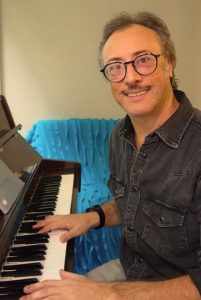
Paolo
Miranda
Sydney Music Lessons connects students across Sydney with experienced, vetted accordion teachers. We are growing our network of accordion instructors across the city and currently have teachers available for students looking for flexible, high-quality tuition. We match you with a teacher based on your suburb, schedule, experience level, and musical goals, so lessons fit naturally around your life.
Our current accordion teacher is based in Miranda and offers in-person and remote lessons to students across Sydney, making it possible to learn from an experienced specialist regardless of your location.
Whether you’re a complete beginner, returning to accordion after a break, or looking to develop your technique and repertoire, we’ll connect you with the right teacher for your goals. As our network continues to grow, we aim to make quality accordion tuition accessible to students throughout Sydney and surrounding areas.
 View Teachers
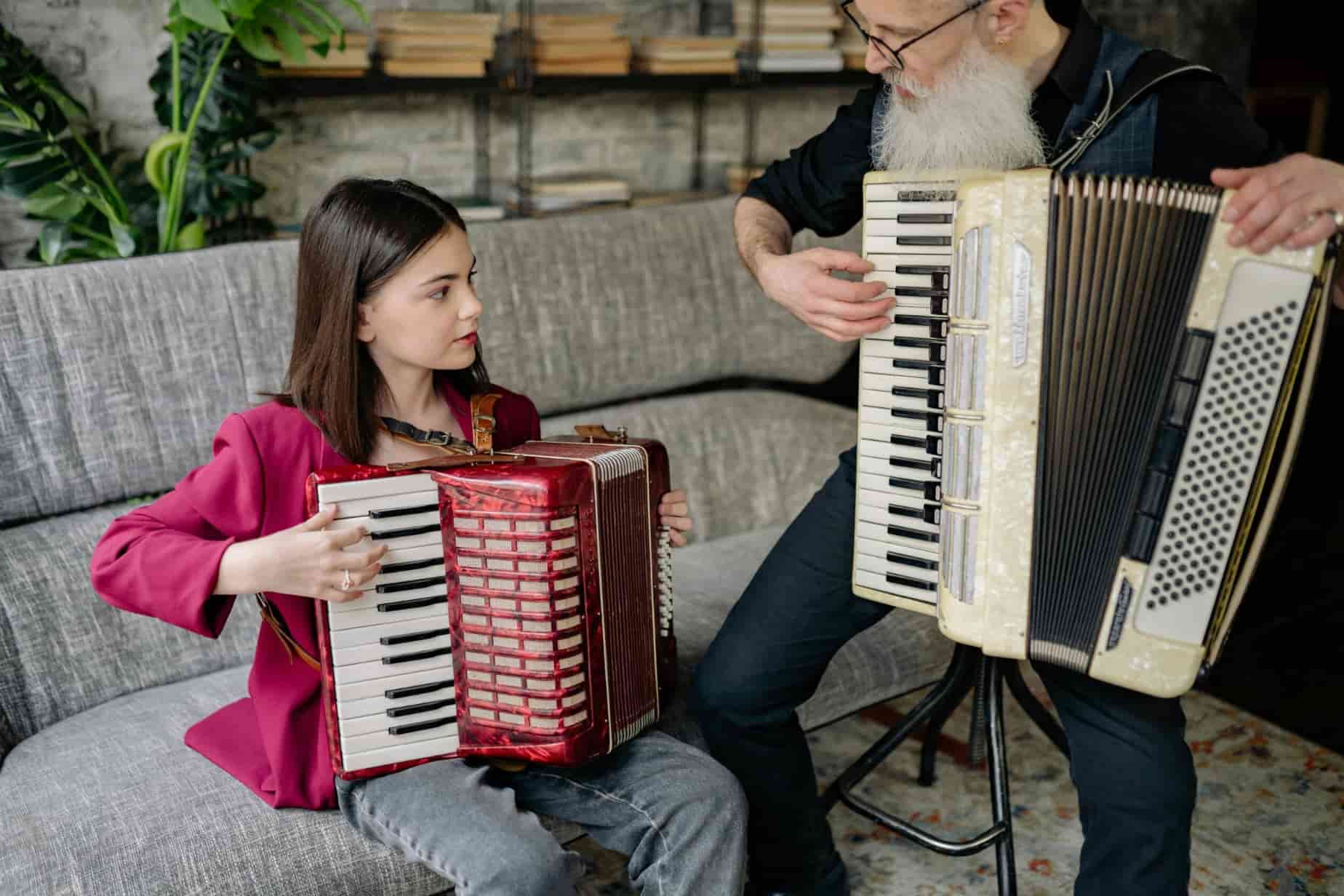
Whether you’re looking for accordion lessons for children or accordion lessons for adults, our teachers tailor every lesson to your experience level, musical interests, and personal goals.
For children, accordion lessons focus on building strong musical foundations while keeping learning creative and engaging. Students develop coordination, rhythm, ear training, reading skills, and confidence through age-appropriate repertoire and structured guidance. Whether they are learning for enjoyment, school performances, or to develop broader musicianship, we match each child with a teacher whose approach keeps them motivated and excited to progress.
For adults, accordion lessons offer the opportunity to explore a new instrument, reconnect with music, or develop existing skills in a supportive environment. Whether you’re interested in traditional accordion styles, folk music, classical repertoire, or simply playing songs you enjoy, lessons are adapted to your goals and pace. Many accordion students also become interested in piano lessons, as the two instruments share important foundations such as keyboard layout, music reading, harmony, and chord knowledge.


At Sydney Music Lessons, our accordion lessons are typically $100 per hour. When you enquire, we’ll match you with a teacher who suits your goals, schedule, and learning needs, helping you find the right fit with no obligation.
Several factors influence the price of accordion lessons:
Experience and qualifications: teachers with extensive performance backgrounds, specialist accordion knowledge, or many years of teaching experience may charge more based on their expertise and experience.
Lesson length: accordion lessons are commonly available in 30, 45, or 60 minute sessions. Younger students often begin with shorter lessons, while older students and adults may prefer longer sessions to explore repertoire, technique, and musicianship in greater depth.
Online vs in-person: online accordion lessons provide flexibility and allow students to learn from specialist teachers regardless of location, while in-person lessons offer direct feedback on posture, technique, and sound production.
Bellows control for steady tone
Hand coordination and balance
Right-hand melody technique
Left-hand bass and chord patterns
Rhythmic timing and groove skills
Clean articulation and phrasing
Reading accordion notation confidently
Expressive tone and dynamic shaping
You’ll learn proper hand setup, bellows movement, first melodies and simple left-hand patterns.
You can begin with a rental or entry-level instrument. Your teacher can suggest suitable models.
Most students find it very approachable once bellows control and hand coordination are explained clearly.
Your teacher can guide you based on musical style, age, and hand comfort.
Short, regular sessions (even 10–15 minutes daily) build strong coordination.
Yes, depending on size and strength. Smaller accordions make it comfortable for younger players.
Yes. Teachers introduce hands separately first, then gradually bring them together for smooth coordination.
Folk, classical, jazz, world music, pop, traditional dance music and accompaniment patterns.
Most kids can start around 6-8 if they can sit still, follow instructions, and manage basic coordination. Adults can start at any age; you’re not “too late” at 30, 50, or 70. The main limiter isn’t age; it’s having the right size/weight instrument and a plan that fits your schedule.
You can get started on YouTube, but most self-taught players hit the same wall: messy bellows control, stiff posture, and left-hand timing that never quite locks in. If you want quicker progress (and fewer bad habits), even fortnightly accordion lessons can save you a lot of wasted practice.
If you already play piano, the right-hand side can feel familiar. The difference is bellows control and the left-hand system (especially Stradella bass), which can feel like learning a second instrument. Many people find accordion harder at the start than piano, but once the left-hand patterns click, progress becomes very steady.
If you practise 15-25 minutes, 4-5 days a week, you can usually play a handful of simple songs in 6-10 weeks. To sound genuinely fluent in a style (clean rhythm, smooth bellows, reliable left-hand) you’re usually looking at 6-18 months depending on goals. Accordion lessons plus consistent practise is what makes the timeline predictable.
The big split is usually piano accordion vs button accordion (and there are sub-types inside that). Beginners often start on piano accordion because the layout is familiar, but button systems can be great depending on your musical tradition and goals. A teacher can steer you so your instrument choice matches what you actually want to play.
Weekly is ideal at the start because the accordion has a lot of moving parts, and small technique mistakes compound. If your schedule is tight, fortnightly accordion lessons can still work well if you practise consistently between sessions and follow a clear plan.
I’ve been taking accordion lessons for 3 months now and managed to find a really good teacher through Sydney Music Lessons. He is fun and always brings good energy to the lesson.
I thank Sydney Music Lessons for finding me a great accordion teacher. My son has recently taken Accordion AMEB grade 4 and passed with Honours (A). Thank you very much.
Your teacher will help you establish comfortable posture, correct strap positioning, and a confident playing setup. You’ll develop the essential accordion skills of bellows control, finger coordination, and producing clear, consistent notes, before applying them to simple melodies and basic left-hand patterns. Rather than only practising exercises, you’ll begin playing recognisable music from the very beginning.
Typical focus: setup, posture, bellows control, finger technique, first melodies, basic left-hand patterns