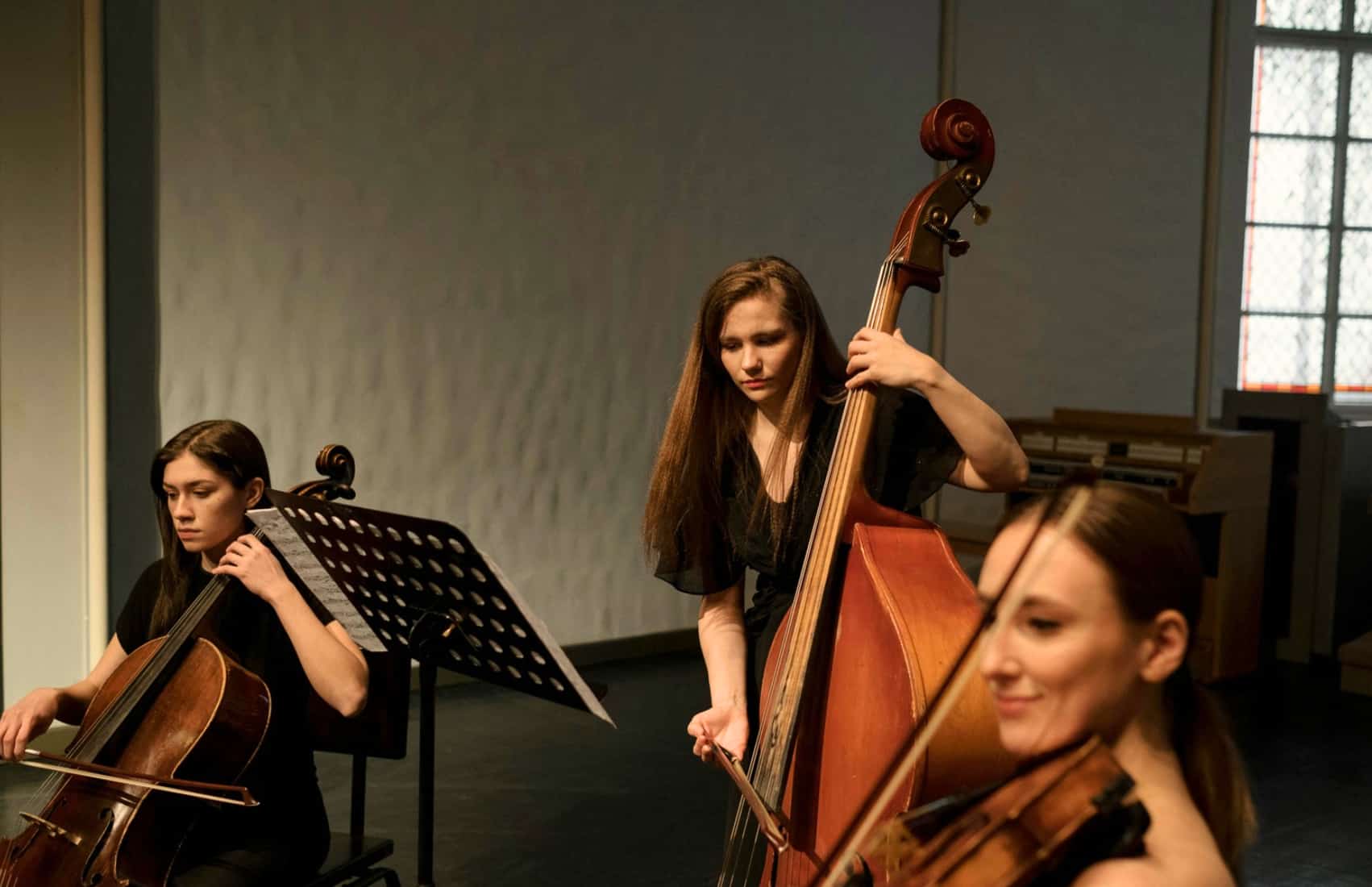
You don’t need to own a double bass to start double bass lessons, but you do need regular access to one. Most beginners start by hiring or borrowing an instrument, which is usually the smarter approach before committing to a purchase.
Do you need your own double bass to start lessons?
No, you don’t need your own double bass to start double bass lessons. Most beginners start by renting or borrowing an instrument, but you do need consistent access to practise and improve.
Should you buy, rent, or borrow a double bass as a beginner?
If you’re starting double bass lessons, renting is the best option for most beginners, borrowing works if it gives you consistent access, and buying only makes sense once you’re confident you’ll stick with it.
- Rent if you’re unsure or just starting
- Borrow if you have reliable access (e.g. school instrument you can take home)
- Buy if you’re committed and have guidance
This keeps your risk low while giving you enough access to actually improve.
Can you start double bass lessons without owning a double bass?
Yes, you can start double bass lessons without owning one, and most beginners do. The instrument is large and expensive, so hiring or borrowing is standard early on.
What matters is access. If you can play consistently, you’ll improve. If you can’t, even good lessons won’t translate into real progress.
Starting lessons first also gives you guidance on sizing and setup, which helps you avoid making a poor purchase decision early.
Why access to a double bass matters more than ownership
You don’t need to own a bass, but you do need to play one regularly.
Double bass is a physical instrument. You’re building finger strength, muscle memory, intonation, and control through repetition. Even 15–20 minutes a day will outperform one long session per week by a wide margin .
Think of it like the gym. One session a week won’t move the needle much, but consistent training will.
So instead of focusing on ownership, the priority is having reliable access between lessons.
What are your options if you don’t own a double bass?
There are a few realistic ways to get started:
- Hire a double bass – flexible and low commitment
- Borrow through a school or program – if access is consistent
- Use a teacher’s instrument during lessons – sometimes possible
- Buy second-hand – if you’re already committed
Hiring is usually the safest starting point because it gives you flexibility without locking in a large upfront cost.
How much does it cost to rent a double bass?
Most student-grade double bass rentals in Australia sit around $30–$80 per month, often including a bow and case .
Most rental instruments are also covered or insured by the shop, so the risk of damage is usually much lower than beginners expect.
The key factor isn’t just price, it’s setup quality. A properly adjusted instrument will feel significantly easier to play than a cheaper but poorly set-up one.
Should you rent or buy when starting double bass lessons?
Renting is the better decision for most beginners.
You’re still figuring out whether you enjoy the instrument, what size suits you, and how serious you are long-term. Buying too early means making a decision without enough context.
If you already have musical experience and are confident you’ll stick with it, buying earlier can make sense. Otherwise, renting keeps your options open.
Is it harder to learn without your own double bass?
Yes, progress is slower without your own instrument, but you can still begin.
The limitation is practice volume. If you only play during lessons, you’ll understand concepts but struggle to execute them consistently.
Double bass requires repetition for clean sound, accurate positioning, and endurance. Without that repetition, everything feels harder than it should.
The practical fix is to move from lesson-only access to regular access as early as possible.
What actually happens if you try to learn without proper access or guidance
You can start without owning a double bass, but trying to learn with limited access or without guidance creates predictable problems.
Most beginners in this situation end up:
- Practising inconsistently
- Developing technique issues they don’t notice
- Feeling like they’re improving mentally but not physically
Players who rely on occasional access, like a school instrument, tend to plateau early because they don’t get enough repetition to build coordination .
Double bass also isn’t forgiving. It’s easy to build tension, poor positioning, and inefficient habits that slow progress or even lead to strain .
This is why early guidance matters. Even a few lessons can prevent months of fixing bad habits later.
Common mistakes beginners make when starting double bass lessons
Most beginners don’t struggle because of talent, they struggle because of avoidable mistakes.
The most common ones are:
- Buying an instrument too early without guidance
- Practising inconsistently due to limited access
- Ignoring setup quality and blaming themselves
- Trying to self-teach technique that needs correction
These mistakes slow progress and create unnecessary frustration. Avoiding them puts you ahead immediately.
What size double bass should beginners use?
Most adults use a 3/4 size double bass, even at a professional level.
The right size depends on your body. A bass that’s too large forces unnecessary stretching and tension, which slows progress and creates bad habits.
A teacher should guide this decision before you commit to renting or buying.
Does the quality of a beginner double bass matter?
Yes, and it matters more than most beginners realise.
A poorly set-up instrument can make learning significantly harder. High string action, poor bow quality, or general setup issues can turn simple tasks into physical challenges.
A properly set-up bass will always feel easier to play, even if it’s not expensive .
A poorly set-up bass is like trying to learn on stiff, unresponsive equipment. You’ll think you’re the problem when the instrument is actually making everything harder.
For reference, beginner-friendly setups usually have slightly lower string height to reduce finger strain in the early stages.
What accessories do you actually need from day one?
You don’t need much, but a few essentials make a big difference:
- Bow (if you’re using one)
- Rosin for sound production
- Endpin stop for stability
- Case or cover for protection
Most rentals include these, but it’s worth checking.
What happens in your first double bass lesson?
Your first lesson focuses on setup and fundamentals rather than performance.
You’ll work on posture, hand positioning, and producing your first clean notes. The teacher is also assessing your comfort with the instrument and what size suits you.
This is why starting lessons before buying is useful. One lesson can prevent a bad purchase.
What a good double bass teacher will fix early on
A good teacher isn’t just showing you what to play, they’re correcting things you won’t notice yourself.
Early on, they’ll focus on:
- Reducing tension in your hands and arms
- Positioning the instrument correctly for your body
- Fixing inefficient finger placement
- Helping your ear match your hand position
Most of these issues feel normal to beginners, which is why they often go unnoticed without guidance.
Can you use a school bass for private lessons?
Yes, but only if you can access it outside lesson time.
If the instrument stays at school and you can’t practise at home, progress will be limited. Even short daily sessions matter more than occasional long ones.
If access is restricted, hiring is usually the better option.
Can you teach yourself double bass at the beginning?
Yes, you can teach yourself the basics, but it’s not the most efficient path.
You can learn simple songs and build familiarity early on, but technique isn’t intuitive. Without guidance, beginners often develop habits that slow them down.
Most self-taught players eventually take lessons to correct these issues. Even a few lessons early on can save a lot of time.
Are electric upright basses a good alternative?
They can be, depending on your situation.
Electric upright basses are smaller, quieter, and easier to manage, which makes them useful for apartment living.
However, they feel different to play. If your goal is classical or orchestral playing, you’ll eventually need a traditional double bass.
How long does it take to feel comfortable on double bass?
Most beginners feel awkward in the first few weeks, then gradually build control over time.
- First 2–4 weeks: physically demanding and unfamiliar
- 1–3 months: basic control and comfort improve
- 3–6 months: starts to feel more natural
This progression depends heavily on consistency. Regular practice accelerates everything.
How long before you should buy your own double bass?
Most beginners should wait 4–8 weeks of consistent double bass lessons before buying.
That gives you time to confirm you enjoy it, understand sizing, and get proper guidance. Buying before that often leads to avoidable mistakes.
How does not having your own bass affect long-term progress?
Not having consistent access doesn’t just slow progress, it changes the type of progress you make.
Students without regular access tend to understand concepts but struggle to apply them physically. Each lesson feels like a reset instead of building momentum.
Double bass is unforgiving because it has no frets. Your ear and muscle memory have to develop together, and that only happens through repetition.
Short, consistent practice sessions are far more effective than occasional long ones.
What should you look for in a beginner double bass?
A good beginner bass comes down to playability, not price or brand.
The key factors are setup quality, response, bow usability, and overall comfort. If the instrument feels difficult to control, it will slow your development.
Beginners often focus on cost or appearance, but the real difference comes from how the instrument is set up and how it responds.
Many self-taught beginners develop habits that take months to undo once they start lessons. Even a few early sessions with a teacher can prevent that and accelerate progress significantly .
How to start double bass lessons the right way
If you’re starting double bass lessons, this is the most effective approach.
If you’re ready to begin, you can explore available teachers through our double bass lessons page and find someone who can guide you properly from the start.
- Start lessons before buying anything
- Hire or borrow a bass initially
- Practise consistently, even short sessions
- Buy once you’re confident and informed
This approach avoids wasted money, reduces frustration, and sets you up for steady progress.
 September 30, 2026
Where Could I Find an Affordable Clarinet Teacher in Sydney?
TL;DR A limited monthly budget can still leave you with options for clarinet lessons in Sydney. Start with the price… September 26, 2026
Where to Actually Look Before You Buy an Instrument
The obvious first search usually isn't the right one. The instinct is almost always the same. A lesson gets booked,… September 23, 2026
What Should I Learn First on Piano? A Beginner’s Step-by-Step Guide
TL;DR Start by learning the keyboard pattern, a small group of notes, finger numbers and a steady beat. Practise a… September 23, 2026
How Much Does Logic Pro Cost for Beginners?
TL;DR Logic Pro is Apple's music production software for Mac. In Australia, Logic Pro for Mac costs $299.99 as a…