

Yianni
Marrickville
Finding the right drum teacher is simple with Sydney Music Lessons. We connect students of all ages and experience levels with experienced, carefully vetted drum teachers across Sydney. Every recommendation is tailored to your suburb, availability, learning goals, and preferred lesson format, making it easy to find the right teacher.
Our drum teachers offer private lessons from their home studios, travel to students’ homes, or teach online, depending on your preference. We have teachers located across Sydney’s North Shore, Inner West, Eastern Suburbs, Northern Beaches, Hills District, Western Sydney, St. George, and Sutherland Shire, with dedicated instructors in Hornsby, East Gordon, Marrickville, Glebe, and Llandilo.
Simply send us your general location, and we will connect you with a suitable instructor who fits your schedule.
 View Teachers
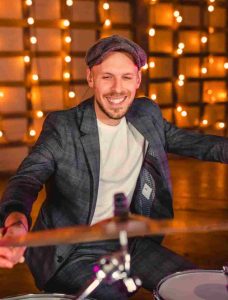
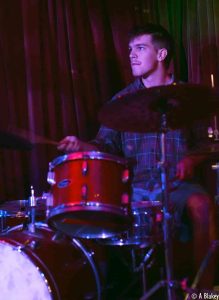

Whether you are an adult who has always wanted to learn or a parent looking for drum lessons for your child, we connect students of all ages with experienced drum teachers across Sydney. Our instructors offer private lessons tailored to your goals, age, and experience level, from complete beginners to more advanced players. If you’re interested in orchestral percussion, tuned percussion, or auxiliary percussion instruments, we also offer percussion lessons.
Adult drum lessons are designed around your interests and learning pace, whether you want to play rock, jazz, pop, funk, or develop strong rhythmic foundations. No previous experience is required. Drum lessons for children are engaging, structured, and age appropriate, helping young students build coordination, confidence, musicality, and solid technique in a fun and supportive environment.
Our teachers offer private drum lessons from their home studios, travel to students’ homes, or teach online, depending on your preference. We match every student with a teacher based on location, availability, learning goals, and budget, making it easy to find the right fit with no obligation.
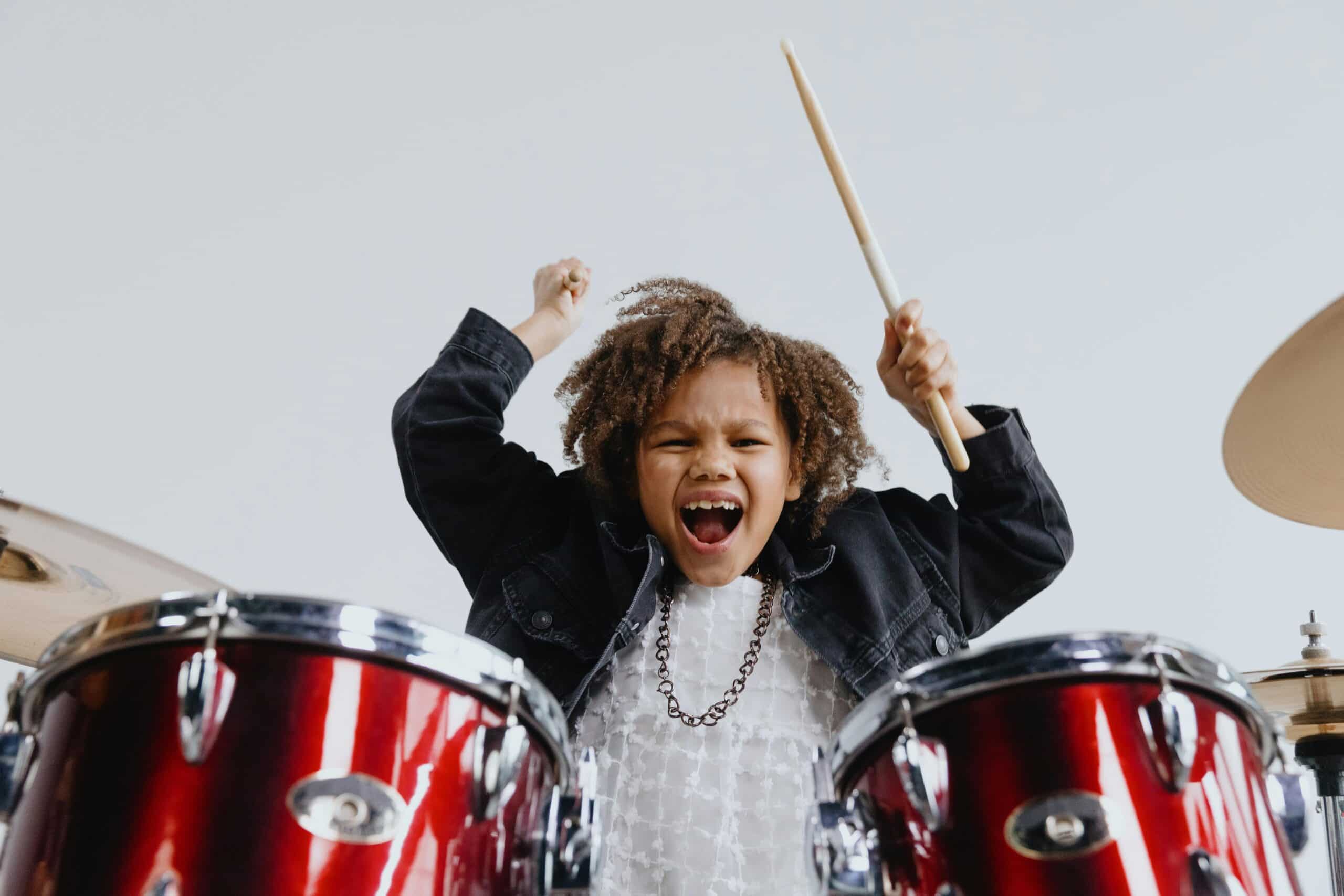
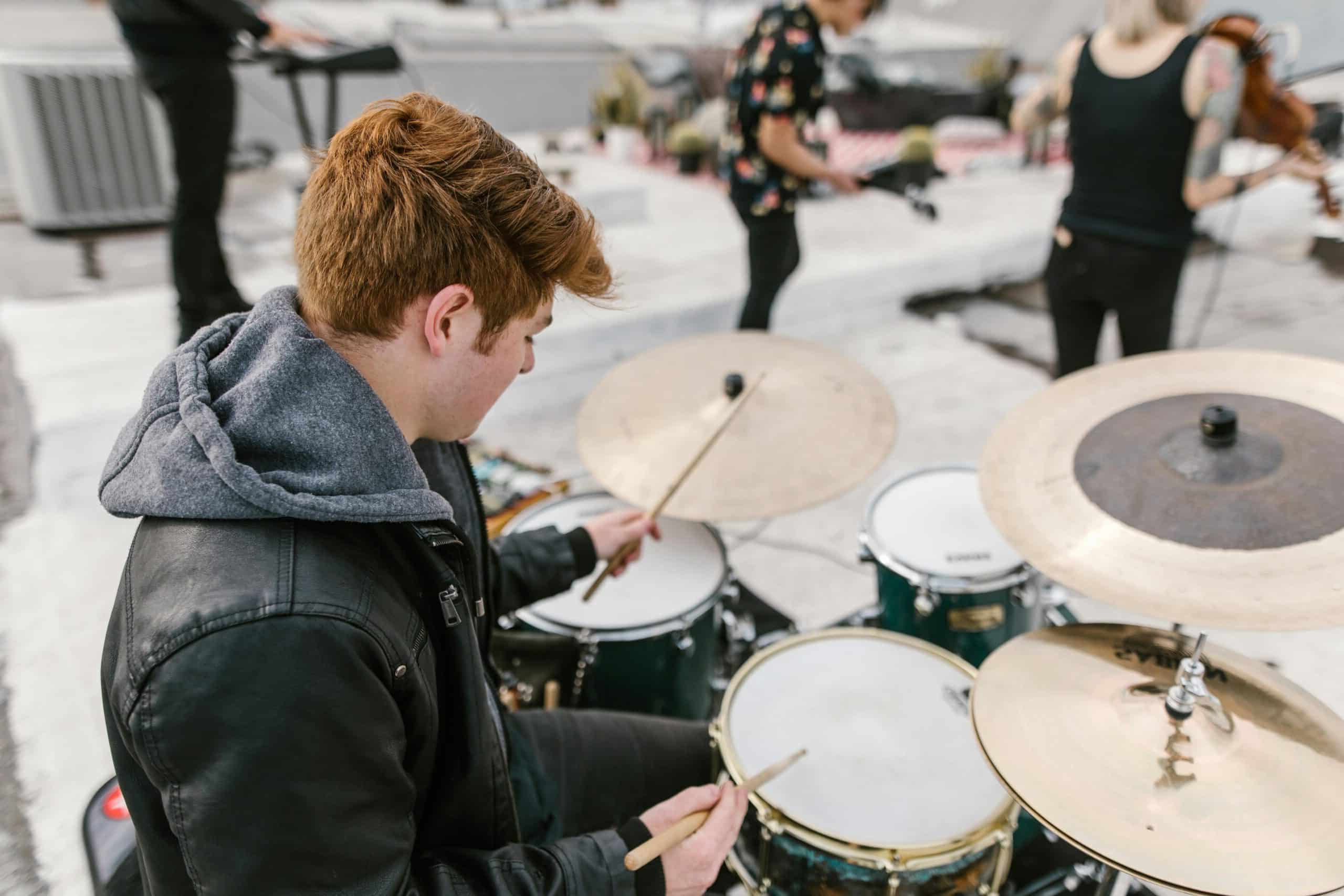
Our drum teachers offer both online and in-person drum lessons across Sydney, giving you the flexibility to learn in the way that suits you best. Many teachers provide lessons from their home studio, travel to students’ homes, or teach online, while others specialise in a particular lesson format. Although both options are effective, in-person lessons are often especially beneficial for beginners, as they allow teachers to provide immediate feedback on technique, posture, stick grip, and coordination.
When you enquire, we’ll match you with a drum teacher who offers your preferred lesson format, is located near you, and fits your schedule and budget.
Drum kit setup and comfort
Stick grip and relaxed technique
Timing, groove and feel
Hand–foot coordination skills
Reading basic drum notation
Patterns across multiple styles
Fills, transitions and structure
Dynamics, control and listening
Not right away. Many students begin on a practice pad to learn the basics before buying a kit.
Both work well. Electronic kits are quieter for home practice. Acoustic kits offer a more traditional feel and are what you’ll likely use in your drum lessons. Your drum teacher can guide you.
Once they have learnt proper timing, most students can follow simple grooves within a few weeks of drum lessons.
It helps a lot. Notation makes learning new beats and fills easier, and your teacher will introduce it gradually.
Potentially. Electronic kits solve most noise issues. For acoustic kits, practice pads, mesh heads and lighter sticks help reduce volume.
No. Good drumming relies on relaxed technique rather than strength.
Yes, as long as the kit is adjusted to their height and they learn proper technique.
Only if you’re interested in styles that use it, such as metal. It’s optional for most beginners.
Yes. Your teacher can help you work through graded material or audition pieces.
Rock, pop, funk, metal, jazz, worship, blues and plenty more. Drum lessons follow your interests.
I’ve had guitar and songwriting lessons with Yianni for about 2 years now – In this time I’ve recorded my songs for the first time, formed a band and even had my first gig and none of that would’ve been possible without Yianni’s guidance, patience and knowledge. He is a great teacher who cares deeply about music and sharing his experience with people around him.
Craig is an excellent drum teacher who makes lessons engaging and fun. My child’s skills and confidence have improved a lot since learning with him.Your teacher will help you develop the fundamentals of drumming, including correct posture, stick grip, and basic coordination. Beginner drum lessons focus on essential rhythms, simple grooves, and keeping steady time, so you’ll be playing along to songs and backing tracks from the very beginning.
Typical focus: stick grip, posture, basic beats, timing, coordination