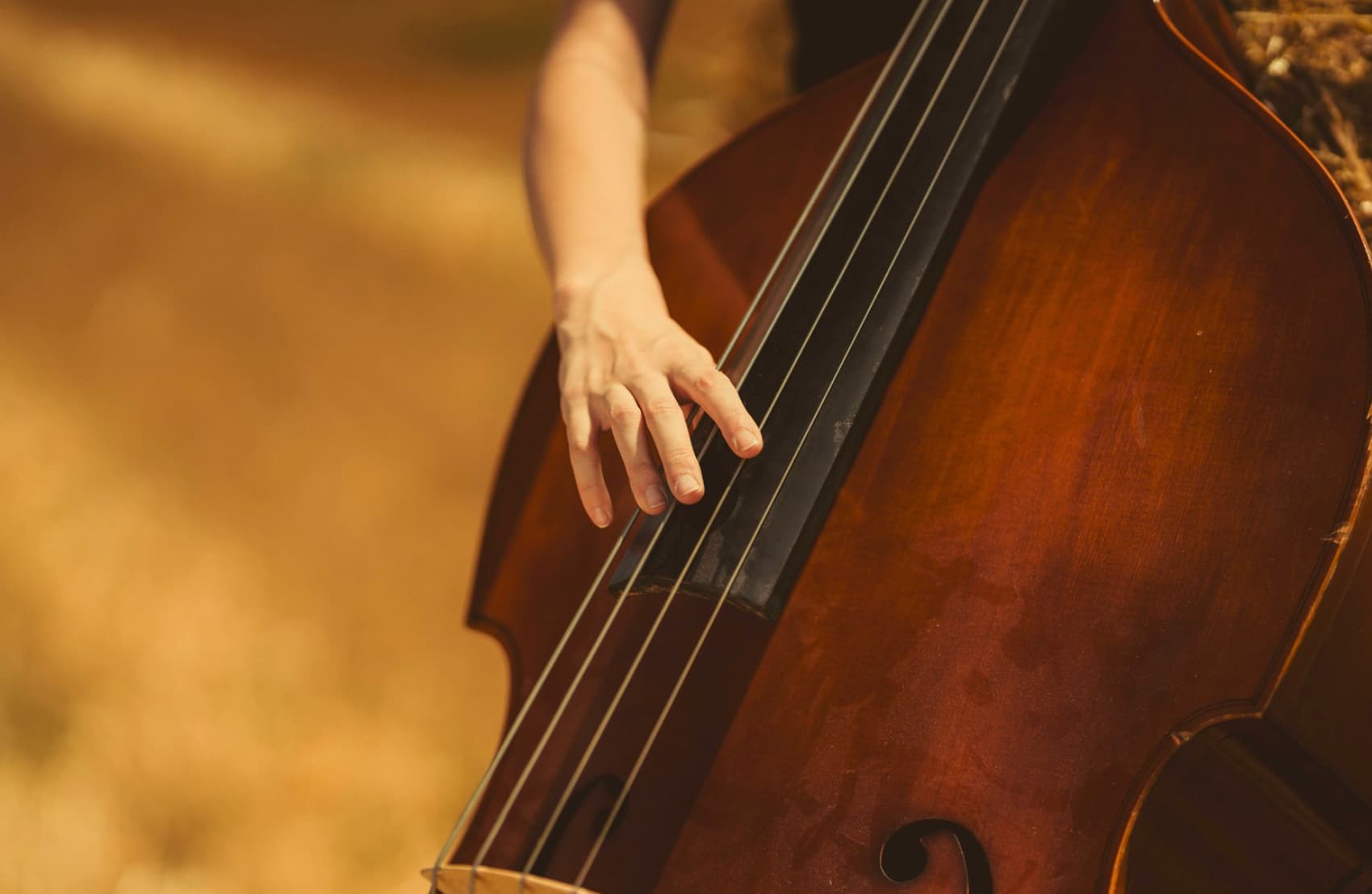
Whether to hire or buy a double bass depends on the rental rates available in your area, the cost of buying a properly set-up bass, and how committed the player is to continuing. Neither option is universally better, and the best path often involves a hybrid: hiring with a rent-to-buy credit scheme that lets your rental payments contribute toward an eventual purchase. If you’re starting out on double bass in Sydney and want guidance on which option fits your situation, our double bass lessons include advice on instrument selection and sourcing as part of getting started properly.
Is it better to hire or buy a double bass for a beginner?
Neither option wins automatically. The right choice depends on three things: what rental rates you can access locally, what a properly set-up beginner bass would cost to buy outright, and how confident you are that the player will stick with it for at least two years.
Hire makes more sense when:
- The player is a child or teenager who’ll need to size up
- You’re not sure the player will stick with it past the first 12 months
- Local rental rates include rent-to-buy credit
- You don’t have $2,000 plus available upfront
Buying makes more sense when:
- The player is an adult on a 3/4 (full adult size) bass
- You’ve found a properly set-up second-hand bass at a fair price
- Local rentals are expensive without any credit toward purchase
- The player is committed long-term and wants to learn on their own instrument
The trap to avoid is assuming one answer fits everyone. The double bass market varies sharply by city, and what’s a clear “rent” decision in one Sydney suburb could be a clear “buy” decision in another based on what’s available.
How much does it cost to hire a double bass in Sydney?
Sydney double bass rentals generally sit between $80 and $180 AUD per month depending on the size, quality of the instrument, and whether the program includes maintenance and rent-to-buy credit. Most programs require a minimum 3-month term and a refundable security bond of a few hundred dollars.
The variation comes down to what’s included. A basic plywood rental at the lower end usually covers the instrument and a case, with the player responsible for strings and any non-warranty repairs. A higher-end rental at the upper end often includes maintenance, a loaner bass when yours is in for setup, insurance against accidental damage, and rent-to-buy credit that transfers toward an eventual purchase. Sydney string specialists across the Inner West, Eastern Suburbs, and North Shore offer rent-to-buy options that can make hiring functionally equivalent to a long instalment plan, which is often the smartest middle ground.
How much does a beginner double bass cost to buy?
A properly set-up beginner plywood double bass in Sydney costs between $2,000 and $3,500 AUD, hybrid basses with a carved top run roughly $4,500 to $7,500, and fully carved instruments start around $6,500 and climb well into professional territory from there. Anything significantly cheaper either skips the setup work or is being sold without setup at all, which is a costly false economy.
Setup is where many first-time buyers get caught out. A double bass arriving from the factory or an online marketplace usually needs fingerboard shaping, bridge adjustment, soundpost fitting, and proper string installation before it’s actually playable. A luthier’s setup adds roughly $500 to $900 to the cost of any bass depending on what the instrument needs, and a properly set-up plywood bass will outplay an unset-up carved instrument every single time. When you see a $900 double bass online, what you’re often looking at is a $1,800 instrument once you factor in the setup work needed to make it functional.
What’s a rent-to-buy scheme and is it worth it?
A rent-to-buy scheme lets you apply a percentage of your hire payments toward the eventual purchase of an instrument, either the one you’re renting or a different bass at the same shop. The percentage varies by program, with the more generous schemes crediting around half to all of your rental fees toward purchase within a defined timeframe.
This is the option most Sydney string specialists recommend for beginners, and the reasoning holds up well. You get to start playing immediately without the upfront cost of buying. You’re working with a properly set-up instrument because the shop maintains it. You can size up without losing the money you’ve put in, since the credit typically transfers to the next size. And if the player decides bass isn’t for them after six months, you’ve lost less than you would have on a depreciating outright purchase that you’d then struggle to resell.
The scheme to watch for: some rental programs apply credit only against new instruments at full retail price, which means you’re effectively getting credit toward an inflated sticker price. A genuinely good rent-to-buy program credits against any bass in the shop, including used and step-up models, at their actual selling price.
Why are fractional size double basses harder to resell?
Fractional sizes (1/4 and 1/2) are difficult to resell privately because most people in the market for them rent rather than buy. School orchestras, parents whose kids are starting out, and adult learners who’d otherwise be the buyers are usually going through rental programs because that’s the easier option. This shrinks the resale market for owners trying to recoup their money.
What this means practically: if you buy a 1/4 or 1/2 bass and your child outgrows it in 18 months, you’re often listing it for less than half what you paid and waiting months for a buyer. Fractional basses regularly sit on the resale market for extended periods at well below their original purchase price, even when the instrument is in good condition. The depreciation curve on small basses is genuinely punishing, which is why most experienced teachers steer parents toward renting for the early sizes and considering ownership only when the player reaches 3/4 (adult) size. The resale market for 3/4 basses is much more active because that’s the size most adults play, so committed buyers are always looking.
When should you actually buy a double bass outright?
The clearest case for buying outright is when the player has reached 3/4 size (the standard adult size), has been playing for at least two years, and has settled on the style of music they want to pursue. At that point, the bass becomes a long-term instrument that won’t be outgrown, and the resale market for 3/4 basses is genuinely active if you ever need to sell.
Buying also makes sense for adult beginners who can find a properly set-up second-hand 3/4 bass at a fair price, particularly through a Sydney string specialist rather than an online marketplace. A used hybrid or plywood bass that’s been maintained well by a previous owner often plays better than a brand-new budget instrument, because the wood has settled and any setup work has already been done. Just factor in a $200 to $350 inspection by a luthier before buying anything second-hand, because the cost of fixing an unseen problem (cracked top, warped neck, soundpost issues) can quickly exceed the cost of the bass itself.
What’s the difference between plywood, hybrid, and carved basses?
Plywood (laminate) basses are built from layered wood and are the most durable, weather-resistant, and affordable option, making them the standard choice for beginners and players who travel or perform in varied conditions. Hybrid basses combine a carved top with laminate back and ribs, producing noticeably better resonance and tone while keeping the price below fully carved instruments. Fully carved basses are made from solid carved wood throughout and produce the richest, most complex sound, but they’re more sensitive to humidity and temperature and cost significantly more.
The trade-off is real and worth understanding before deciding. A plywood bass might sound less rich than a carved one, but it’ll survive a hot car in summer, a freezing church hall in winter, and the inevitable bumps that happen during transit. A fully carved bass needs careful humidity control, more frequent setup adjustments, and protection from temperature swings. For a beginner in Sydney’s variable weather, a well-set-up plywood or hybrid bass is almost always the smarter starting point.
It’s worth noting that setup matters more than construction at the beginner level. A well-set-up plywood bass will be more enjoyable to play, easier to produce sound on, and better for developing technique than a poorly set-up carved instrument at three times the price. Setup affects how the strings feel under the fingers, how easily the bow draws sound, and whether the bass plays in tune across the full range. This is why buying from a string specialist matters more than the brand or construction type on paper.
Can I just buy a cheap double bass online?
You can, but you almost certainly shouldn’t. Cheap double basses on general online marketplaces are typically sold without proper setup, often arriving with raised actions that make playing physically painful, warped fingerboards, bridges that aren’t fitted to the bass, and structural issues that aren’t visible in photos. The total cost of making such an instrument playable can exceed what you paid for it.
The pattern repeats often enough that experienced bass teachers have a name for it: a “bass-shaped object.” It looks like a bass, but it doesn’t function as one. The fingerboard might need replacing, the seams might have opened during shipping, the soundpost might have shifted in transit, and the strings might be unusable. By the time a luthier has worked through all of that, you’ve spent more than a properly set-up bass from a specialist would have cost in the first place.
The fix is straightforward: buy from a Sydney string specialist who sets up every instrument before it leaves the shop, or rent from one if buying isn’t yet the right move. The saving on a cheap online bass disappears the moment you take it to a luthier for assessment.
How long should you hire before buying?
Most experienced double bass teachers recommend hiring for at least six to twelve months before considering a purchase, both to confirm the player will stick with the instrument and to develop enough technique to make an informed buying decision. Beginners often don’t know what they want in a bass because they haven’t played enough instruments to compare, and rushing to buy can mean ending up with the wrong bass within a year.
The hire period also lets you develop your ear, which matters more than people expect when buying a double bass. The same bass can sound dramatically different to a beginner versus someone with six months of playing experience, because trained ears pick up resonance, sustain, and tonal character that a complete beginner simply can’t yet hear. By the time you’ve hired for a year, you’ll have opinions about bow response, string preference, and the kind of sound you want, which means the eventual purchase will actually fit you.
For families with growing children, the hire period often extends much longer. A 9 year old starting on a 1/2 bass might hire until they’re 13 or 14 and ready for a 3/4, then buy at that point. The total hire spend across those years is real money, but it’s spread out, includes maintenance, and avoids the depreciation hit of buying and reselling two or three smaller instruments along the way.
Where can you hire or buy a double bass in Sydney?
Sydney has several reputable string specialists across the Inner West, Eastern Suburbs, and North Shore that offer both hire and purchase options, with most operating rent-to-buy schemes as standard. The best starting point is a dedicated string shop or luthier rather than a general music store, because string specialists set up every instrument properly and can advise on sizing, setup, and which bass suits the player’s stage.
If you’re already enrolled in double bass lessons, your teacher is often the best first contact for sourcing an instrument. Sydney bass teachers usually have working relationships with local string shops and luthiers, which can mean preferential rental terms, faster size swaps, or first dibs on quality second-hand basses when they come in. Areas like the Inner West, Newtown, and parts of the North Shore have particularly strong networks of string teachers and specialists, so find the right double bass teacher near you and get the right recommendation for your situation.
 September 30, 2026
Where Could I Find an Affordable Clarinet Teacher in Sydney?
TL;DR A limited monthly budget can still leave you with options for clarinet lessons in Sydney. Start with the price… September 26, 2026
Where to Actually Look Before You Buy an Instrument
The obvious first search usually isn't the right one. The instinct is almost always the same. A lesson gets booked,… September 23, 2026
What Should I Learn First on Piano? A Beginner’s Step-by-Step Guide
TL;DR Start by learning the keyboard pattern, a small group of notes, finger numbers and a steady beat. Practise a… September 23, 2026
How Much Does Logic Pro Cost for Beginners?
TL;DR Logic Pro is Apple's music production software for Mac. In Australia, Logic Pro for Mac costs $299.99 as a…