Yes, flute lessons are worth it for most beginners because they fix technique early, improve tone faster, and remove the frustration that usually comes with trying to learn alone. If you are already comparing teachers, lesson styles, or pricing, you can explore available options on the flute lessons page.
Are flute lessons necessary for beginners?
No, but they are the most reliable way to improve properly.
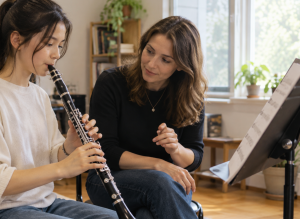
You can start flute without lessons, but most beginners unknowingly develop poor embouchure, weak airflow control, and tense posture. These directly affect your sound and make the instrument feel harder than it actually is. Working with a teacher early helps you avoid these issues and build a proper foundation from the start.
What do you actually get from flute lessons?
You get real-time correction on technique and a clear progression to follow.
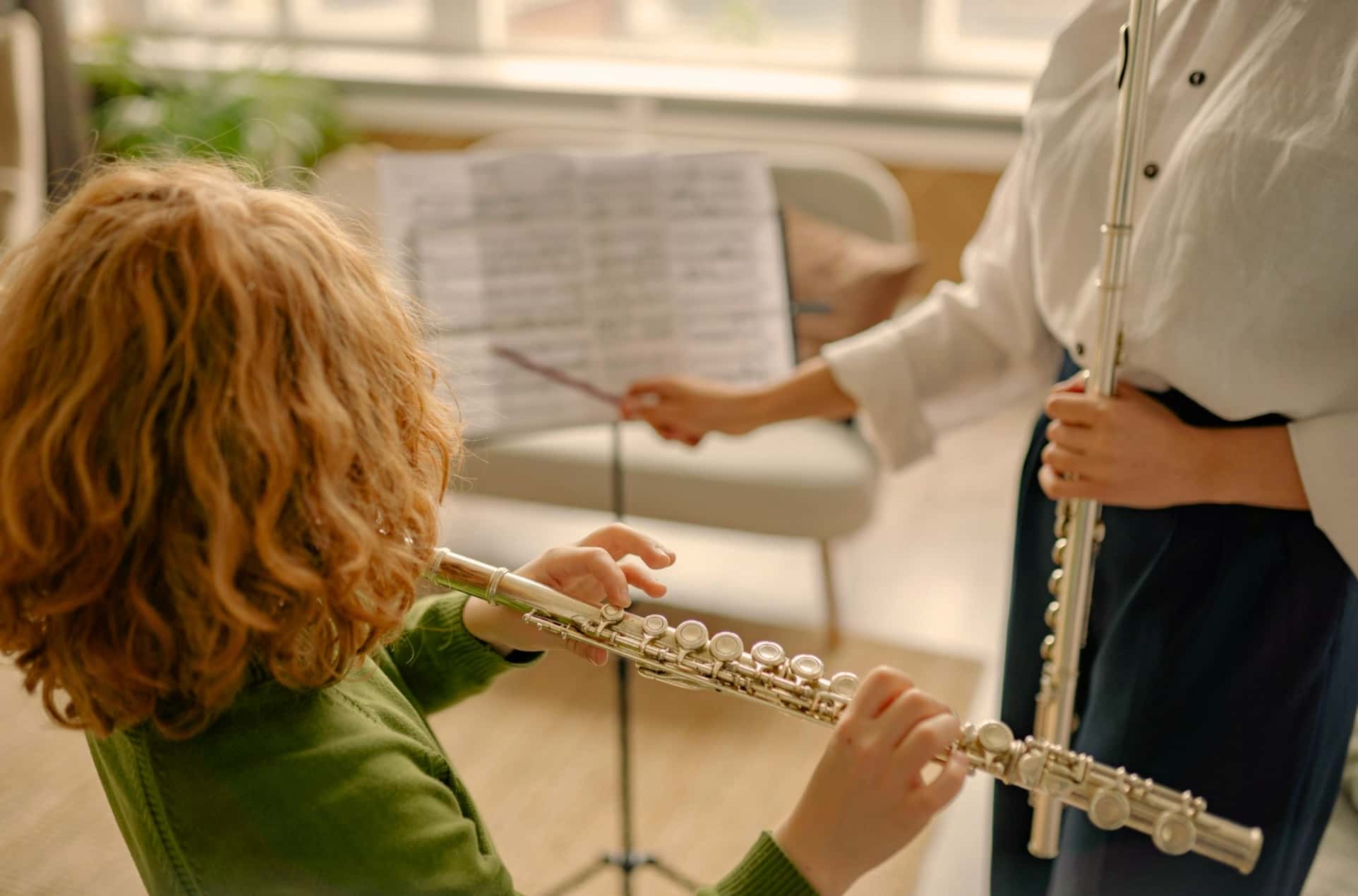
Flute is highly sensitive to small adjustments. A slight change in lip shape or air direction can completely change your sound. A teacher identifies exactly what is off and fixes it immediately.
You also get structure. Instead of guessing what to practise, each lesson builds on the last so your progress is consistent and intentional.
Are flute lessons worth it compared to learning yourself?
Yes, because they remove the main bottleneck, which is not knowing what you are doing wrong.
Self-teaching can get you started, but many beginners reach a point where their tone stays airy or inconsistent. At that stage, more practice alone does not fix the issue.
Lessons give you specific corrections so you can adjust quickly and continue improving instead of getting stuck.
How quickly can you improve with flute lessons?
Most beginners develop a consistent tone within 4 to 8 weeks and start playing simple music within a few months.
The difference is not just speed, but quality. With guidance, your tone, control, and breathing improve together. Without it, progress is often uneven.
Consistent weekly lessons combined with regular practice produce the best results.
Is flute harder than other beginner instruments?
Not exactly, especially not in the long term. It’s commonly classified as moderate difficulty, but this mainly due to the initial learning curve.
The main challenge is producing a sound. Unlike reed instruments, flute relies entirely on airflow and embouchure. Many beginners struggle with this early on.
Once you get past that stage, the instrument becomes much more manageable. Lessons help you reach that point faster.
Are flute lessons worth it for adults?
Yes, and often more than for kids.
Adults tend to understand instructions quickly and can apply feedback effectively. The main challenge is coordination, not understanding.
Lessons help you use your time efficiently and avoid unnecessary trial and error.
Are flute lessons worth it for kids?
Yes, because early technique matters.
Kids often repeat what they do without questioning it. If they develop incorrect habits early, those habits become harder to fix later.
Lessons ensure they learn proper technique from the beginning and stay engaged through structured progression.
What’s the biggest mistake beginners make without lessons?
They focus on playing notes instead of producing a good sound.
Flute is a tone-first instrument. If the sound is not right, everything else becomes harder. Beginners often overlook this and try to progress too quickly.
Lessons prioritise tone early, which makes long-term progress smoother.
When are flute lessons not worth it?
They are not worth it if you are not willing to practise at all.
Even a small amount of regular practice makes a difference, but without it, progress will be limited.
If you are willing to practise consistently, lessons become much more effective because they guide that effort properly.
How much should beginners expect to pay for flute lessons in Sydney?
Most beginners can expect to pay between $90 and $120 per hour for private flute lessons in Sydney.
This range usually reflects experienced teachers who can guide beginners properly. Lower prices can still offer value, but may lack structure. Higher prices can be justified by strong credentials or teaching results.
The key is value. Paying slightly more for the right teacher can save time and frustration.
What should you look for in a good flute teacher?
Look for a teacher who can identify the cause of problems and give clear, practical solutions.
A good teacher explains why something is happening and how to fix it. They also follow a structured progression so you are building skills in the right order.
Communication and adaptability matter as well. Flute teachers who adjusts to your level and goals will help you progress faster and stay motivated.
 September 30, 2026
Where Could I Find an Affordable Clarinet Teacher in Sydney?
TL;DR A limited monthly budget can still leave you with options for clarinet lessons in Sydney. Start with the price… September 26, 2026
Where to Actually Look Before You Buy an Instrument
The obvious first search usually isn't the right one. The instinct is almost always the same. A lesson gets booked,… September 23, 2026
What Should I Learn First on Piano? A Beginner’s Step-by-Step Guide
TL;DR Start by learning the keyboard pattern, a small group of notes, finger numbers and a steady beat. Practise a… September 23, 2026
How Much Does Logic Pro Cost for Beginners?
TL;DR Logic Pro is Apple's music production software for Mac. In Australia, Logic Pro for Mac costs $299.99 as a…