

Caleb
Strathfield
Oboe lessons in Sydney help you build a clear, steady tone, reliable intonation, and confident control over breath and articulation, ready for your next solo or orchestral performance.
If you’re in or near the Inner West, we have a teacher in Strathfield who would be willing to travel to students’ homes for lessons. If you’re in or near the Upper North Shore, we also have a teacher in Wahroonga as well.
Use the interactive teacher map below to choose a teacher you like: once you enquire, we’ll confirm availability and either lock it in or suggest a couple of other strong options nearby if needed.
 View Teachers
Whether you’re looking for oboe lessons for kids or oboe lessons for adults, our teachers tailor every lesson to your age, experience, and musical goals.
For kids, lessons focus on building strong fundamentals through engaging exercises, proper breathing technique, posture, and embouchure development. Our teachers create a supportive learning environment that keeps young students motivated while developing the skills needed for school bands and orchestras, AMEB exams, or simply enjoying music.
For adults, oboe lessons are designed around your individual goals: whether you’re learning from scratch, returning after a break, preparing for auditions and practice with a piano accompanist, or refining your technique. There’s no pressure to follow a set pathway, with lessons paced to suit your schedule and focused on the music you want to play.
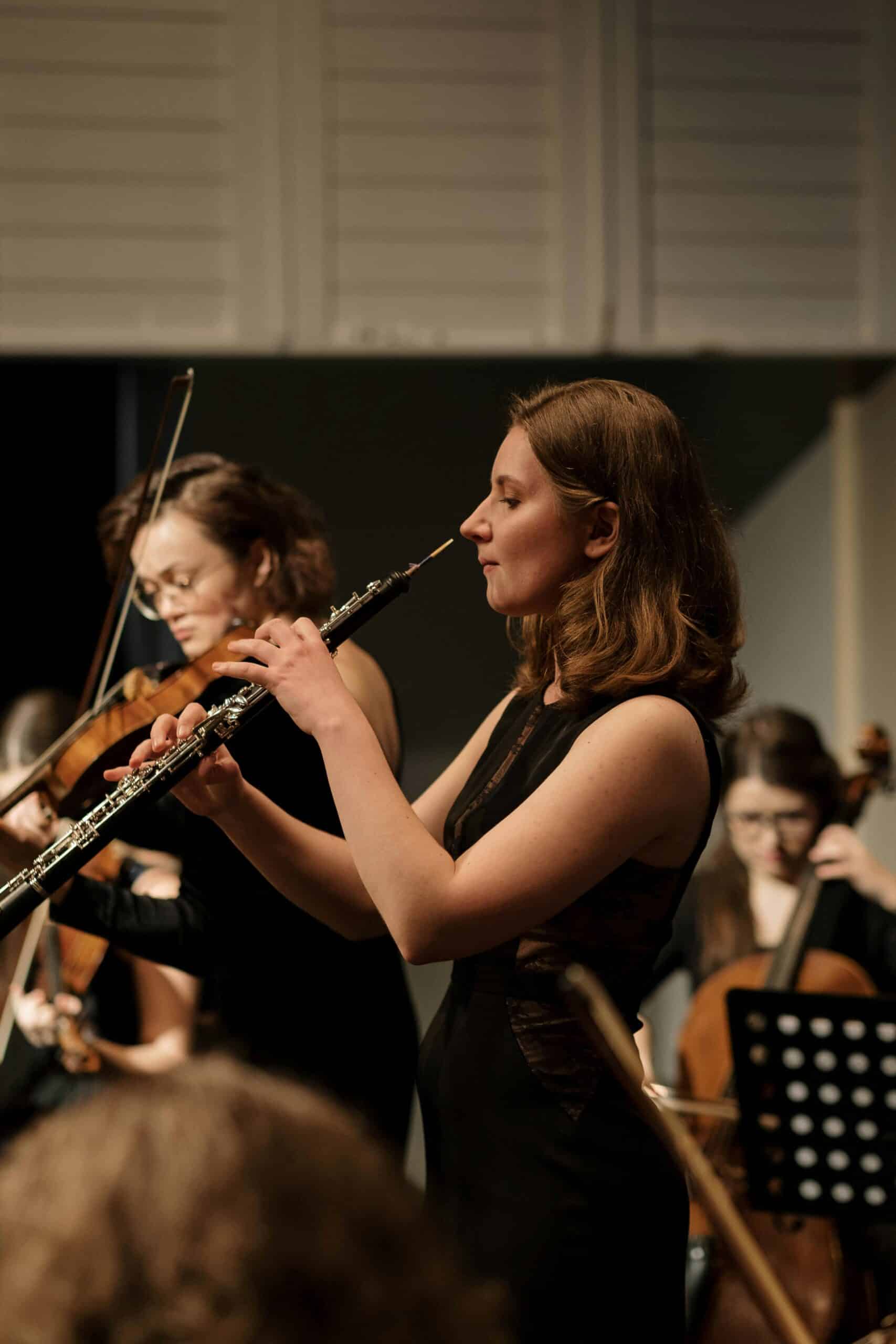
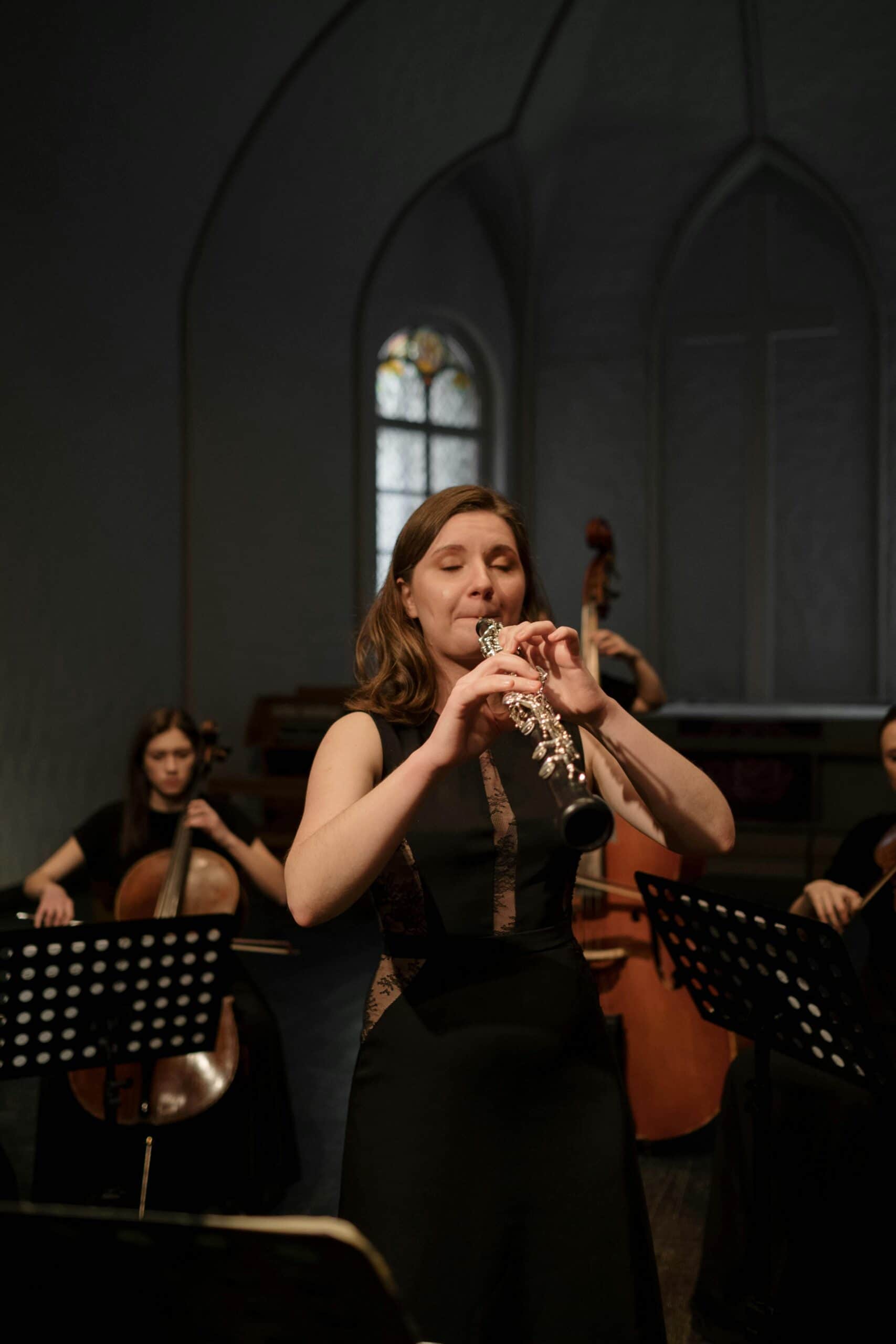
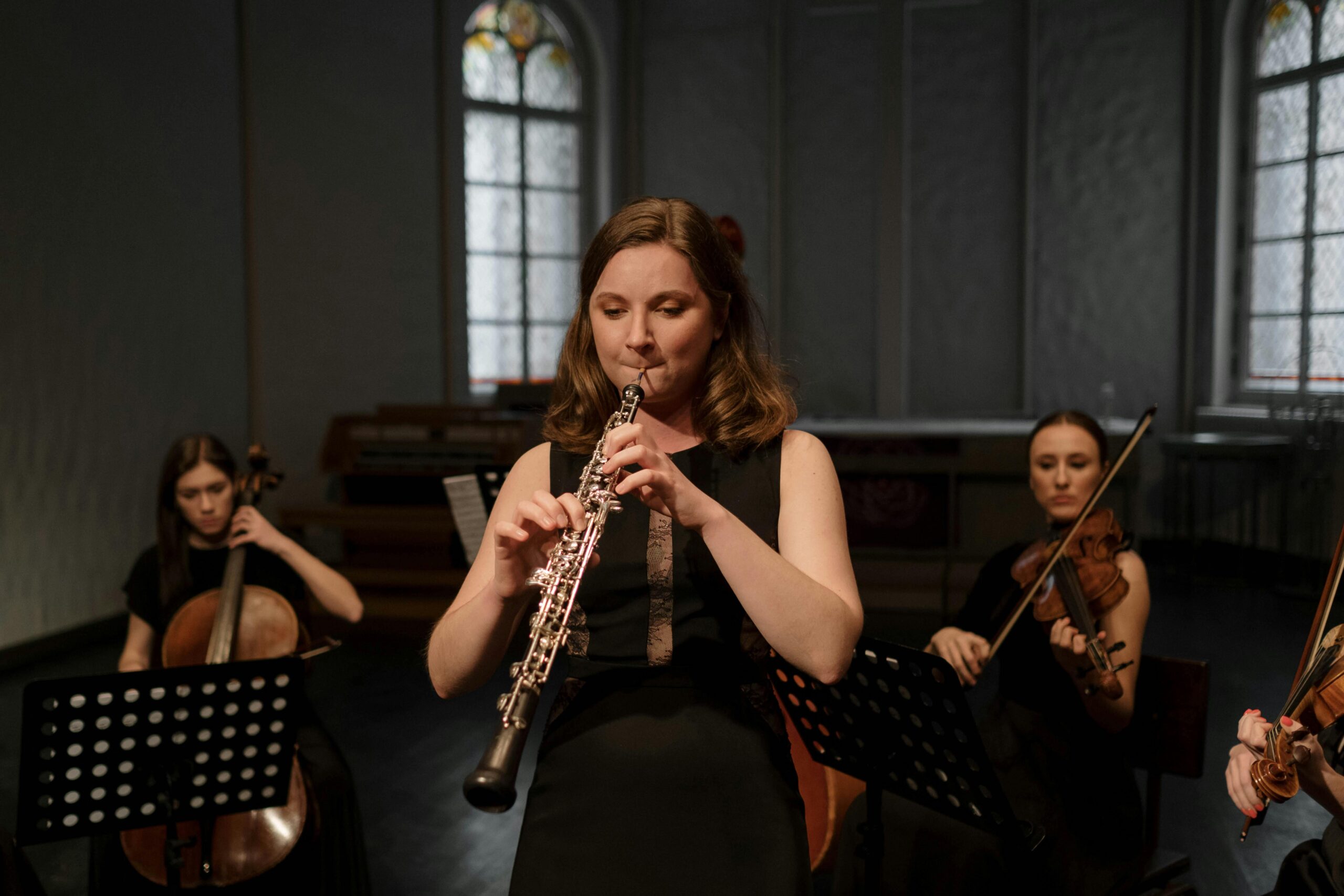
Our oboe teachers offer both online oboe lessons and in-person lessons across Sydney, giving you the flexibility to learn in the way that best suits your schedule and goals. Our teachers offer both lesson formats, while others specialise in either online or face-to-face teaching. Both options are highly effective, but for beginners, in-person lessons can be especially valuable, as teachers can provide immediate feedback on embouchure, posture, breathing technique, finger coordination, and tone production, helping students build strong fundamentals from the very beginning.
Share your goal, current level, and timeline, and we’ll match you with the right oboe teacher for focused, structured progress.
Learn from home via Zoom, Google Meet, or your preferred platform
Access to experienced oboe teachers across Sydney
Record lessons to review techniques and practice between sessions
Great for intermediate and advanced players who already have solid fundamentals
Choose from a wider range of specialist oboe teachers, regardless of your location
No travel time, parking, or traffic delays
Easier to continue lessons while travelling or if you relocate
More flexible scheduling around busy work and school commitments.

Breath support for steady tone
Embouchure shaping without tension
Basic reed care and handling

Clean articulation and tonguing
Accurate finger coordination skills
Stable pitch across registers
Reading oboe notation confidently
Expressive phrasing and musicality
You’ll learn safe setup and assembly, posture and hand position, how to form a workable embouchure, how to use your air properly, and a clear practise routine to follow at home.
The start can feel challenging because tone is sensitive and reeds vary a lot, but with the right guidance most students build a stable sound much faster.
With consistent practise, most students start sounding noticeably more controlled within a few weeks, then improve steadily as tone, endurance, and intonation develop.
It depends on hand size and breath capacity, but many students start around upper primary age when they can manage the instrument comfortably.
Not always. Many students begin with a hire instrument, then buy once they know they’ll stick with it and have teacher guidance on what to get.
Renting is often smarter early on because it reduces risk, and your teacher can help you decide when buying makes sense.
A reliable student oboe matters, but condition matters more — your teacher can help you avoid instruments with pad or regulation issues that make learning harder.
Short, consistent practise is best, especially early on, because embouchure and air control build through repetition.
Yes. Adults often progress well because they can practise more intentionally and apply feedback quickly.
They can be, particularly for tone work, reeds, technique drills, and repertoire, as long as your audio and camera angles are set up properly.
It’s usually reed response, embouchure pressure, or air support, and your teacher can diagnose the exact cause quickly and get you producing a stable sound.
Squeaks are commonly caused by reed issues, leaking finger coverage, or biting too hard, and lessons fix this fast with small technique adjustments and the right reed choice.
Finding a good oboe teacher has proven to be a struggle. Thank you for providing this teacher, it's been an immense help.
Our daughter has been learning oboe for a while now. She started lessons with Emily earlier this year, and we have noticed very rapid progress in her playing. Emily is patient, encouraging, and really knows how to bring out our daughter’s musicality in a way that makes sense to a young student. Lessons are always engaging, and we’ve noticed a huge boost in both her confidence and her enjoyment of music.
We’ll set posture, hand position, and a relaxed embouchure so the reed responds without you biting or forcing air. We’ll focus on building a more stable tone, clean note starts, and simple finger patterns so you’re playing short melodies early.
Typical focus: embouchure, breath control, reed response, tone, first tunes