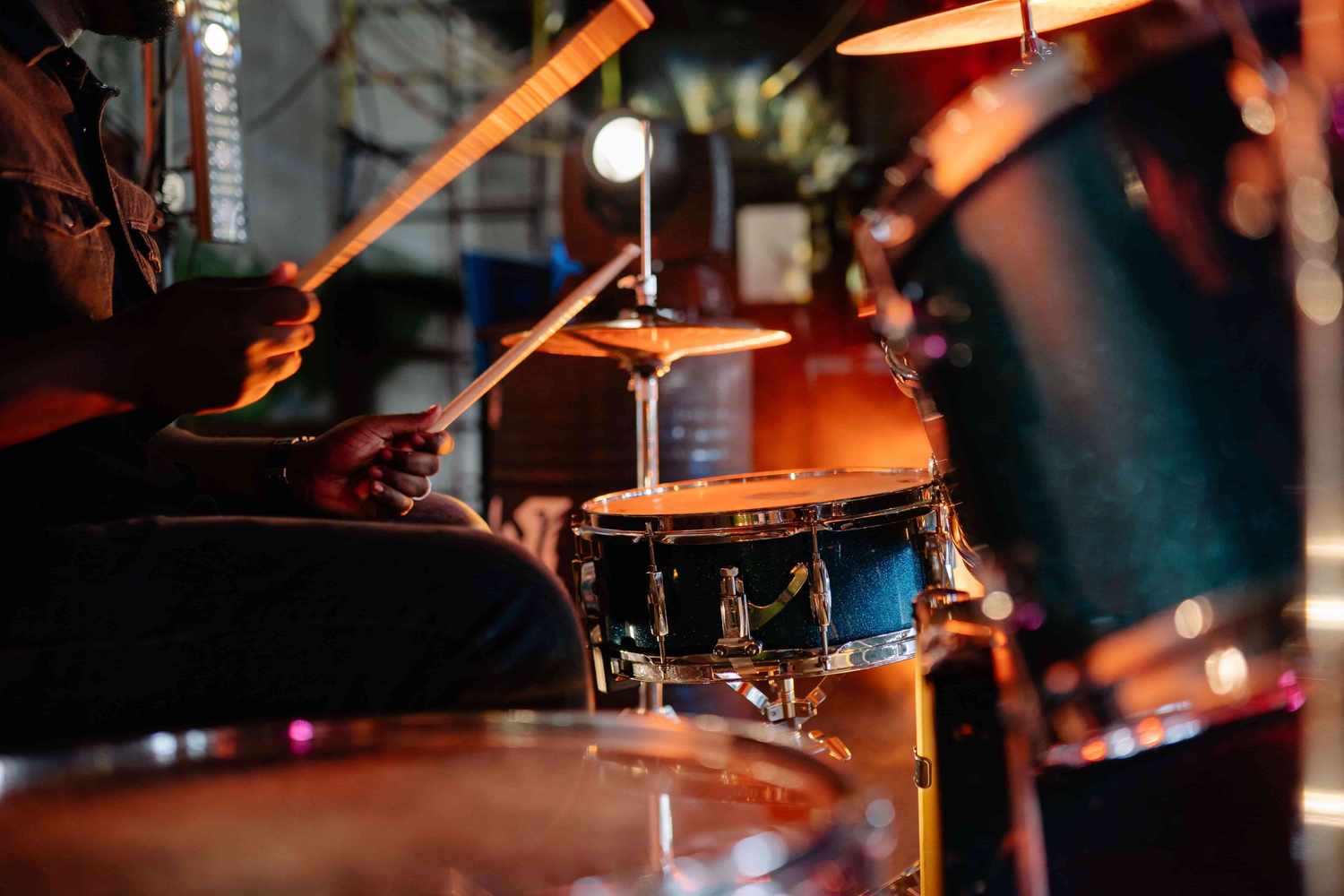
Drums are one of the most approachable instruments to start. Most beginners can play a basic beat within days. The real challenge isn’t getting started, it’s building consistency, timing, and control over time.
The short answer: easy to begin, harder to master. But with the right approach, progress comes faster than most people expect.
If you are interested in learning drums, you can learn more from sydney drum lessons.
What Kind of People Are Suitable for Learning Drums?
Drumming suits people who are physical, rhythmic, and persistent. You don’t need to be naturally musical, you need to be willing to repeat things until they click.
Drums are a great fit for people who:
- Enjoy physical, full-body activity
- Like structure and measurable progress
- Have patience for repetitive practice
- Are drawn to rhythm over melody
- Want an outlet for energy or stress
Since playing the drum requires coordination between all four limbs, it also suits people who play sports or exercise regularly.
You don’t need to read music.
You don’t need prior instrument experience.
What you do need is persevere on short, focused sessions beat long irregular ones every time.
Are Drums Suitable for Kids to Learn?
Yes. Drums are one of the best instruments for kids.
Most teachers recommend starting around age 5–7, once a child has enough focus to sit through a short lesson. Younger kids can begin on practice pads before moving to a full kit.
One thing to consider: noise and space. A full acoustic kit isn’t always practical at home. Electronic drum kits solve this since they’re quieter, compact, and still teach the same fundamentals.
Kids who start young often develop timing and coordination that carries into other instruments and sports later in life.
What Kind of Drums Is the Easiest?
For most beginners, an electronic kit is the easiest starting point. You will only need volume control such as headphones or low output, built-in metronomes and practice tools.
Realistically, the easiest type to start depends on your passion and goal, but most beginners do best on one of these:
| Kit Type | Best For | Notes |
| Electronic drum kit | Home practice, beginners | Quiet, compact, headphone-friendly |
| Practice pad | Pure technique work | Cheapest option, no noise |
| Standard acoustic kit | Full sound and feel | Requires space and soundproofing |
| Cajón | Casual, portable playing | Great intro to rhythm without complexity |
If you’re focused purely on technique before buying a kit, a practice pad and sticks is all you need to start building coordination and timing from day one.
How long does it take to learn drums?
Complete beginner → Playing a basic beat: Days to 2 weeks
Most people can sit down and play a simple groove within their first few sessions. The coordination clicks faster than expected for most beginners.
Basic to playing along to songs: 1–3 months
With regular practice (3–5 days a week), most beginners can play along to straightforward songs within a few months. This is where a lot of people start to feel like “a drummer.”
Comfortable intermediate playing: 6–12 months
Steady timing, basic fills, transitioning between patterns cleanly, and playing full songs start to come together in this window through consistent practice and some structured guidance.
Solid, reliable drummer: 2–3 years
This is where timing becomes second nature, your groove feels locked in, and you can adapt to different styles and situations without falling apart.
Advanced/professional level: 5–10+ years
Speed, musicality, complexity, and the ability to play in any context. Most working drummers are somewhere in this range.
Is Learning Drums Expensive?
It depends. It doesn’t have to be, but costs add up if you’re not intentional.
What you’ll typically spend:
- Sticks: $15–$40
- Practice pad: $30–$80
- Entry-level electronic kit: $400–$900
- Entry-level acoustic kit: $500–$1,200
- Drum lessons: $70–$95/45 mins
Ways to keep costs down:
- Start with a practice pad and sticks before buying a kit
- Buy a second-hand electronic kit (common and often well-maintained)
- Take lessons fortnightly rather than weekly in the early stage
- Use free online resources to supplement paid lessons
The biggest cost mistake beginners make is buying more than they need too early. A practice pad, a decent pair of sticks, and a few lessons will tell you everything you need to know before making a bigger investment.
Lessons are worth factoring in from the start. Even a short run of lessons builds better habits than months of self-teaching, which means less time (and money) fixing problems later.
How to start learning drums?
Get the basics first. A pair of sticks and a practice pad is enough. Don’t buy a full kit until you know you’ll stick with it. Let’s break the process down into six steps and focus on one at a time.
1. Get the right gear to start
You don’t need a full kit on day one. A pair of sticks and a practice pad (~$50 total) is enough to start building coordination and technique. Once you know you’re committed, upgrade to an entry-level electronic kit for home practice, or an acoustic kit if you have the space.
2. Take a few lessons early
A teacher identifies what’s actually causing problems and gives you specific things to fix. That changes how you practise, which is where real improvement comes from. You’ll learn correct grip, posture, and stick technique from the start as bad habits are hard to fix later.
3. Master one basic beat first
Master one basic beat before anything else. The standard groove, kick on beats 1 and 3, snare on 2 and 4, hi-hat throughout, underpins most of what you’ll ever play. Get that consistent before moving on.
4. Always practice with a metronome
Timing is a drummer’s most important skill, and it only develops through deliberate practice. Start at 60–70 BPM (slower than feels natural) and only increase by 5 BPM at a time once you can play a passage cleanly three times in a row.
5. Play along to real songs
This is what turns mechanical practice into actually feeling like a drummer. Start with songs that have simple, steady grooves AC/DC, Foo Fighters, and The Black Keys are reliable starting points. Use YouTube’s playback speed control to slow down tricky sections.
6. Build a consistent practice routine
Keep sessions short and consistent. Twenty focused minutes four or five days a week will outpace a two-hour weekend session. A simple structure works well: five minutes of warm-up rudiments, ten minutes focused on one new skill, and five to ten minutes playing songs you enjoy.
That being said, the most important factor is genuine interest in playing the drums. Progress comes fastest when you actually want to play, even on the days it feels repetitive.
If you’re in Sydney and you’re ready to get started or want structured guidance to progress faster, consider starting by looking up for drum lessons to see how you go.
 September 30, 2026
Where Could I Find an Affordable Clarinet Teacher in Sydney?
TL;DR A limited monthly budget can still leave you with options for clarinet lessons in Sydney. Start with the price… September 26, 2026
Where to Actually Look Before You Buy an Instrument
The obvious first search usually isn't the right one. The instinct is almost always the same. A lesson gets booked,… September 23, 2026
What Should I Learn First on Piano? A Beginner’s Step-by-Step Guide
TL;DR Start by learning the keyboard pattern, a small group of notes, finger numbers and a steady beat. Practise a… September 23, 2026
How Much Does Logic Pro Cost for Beginners?
TL;DR Logic Pro is Apple's music production software for Mac. In Australia, Logic Pro for Mac costs $299.99 as a…