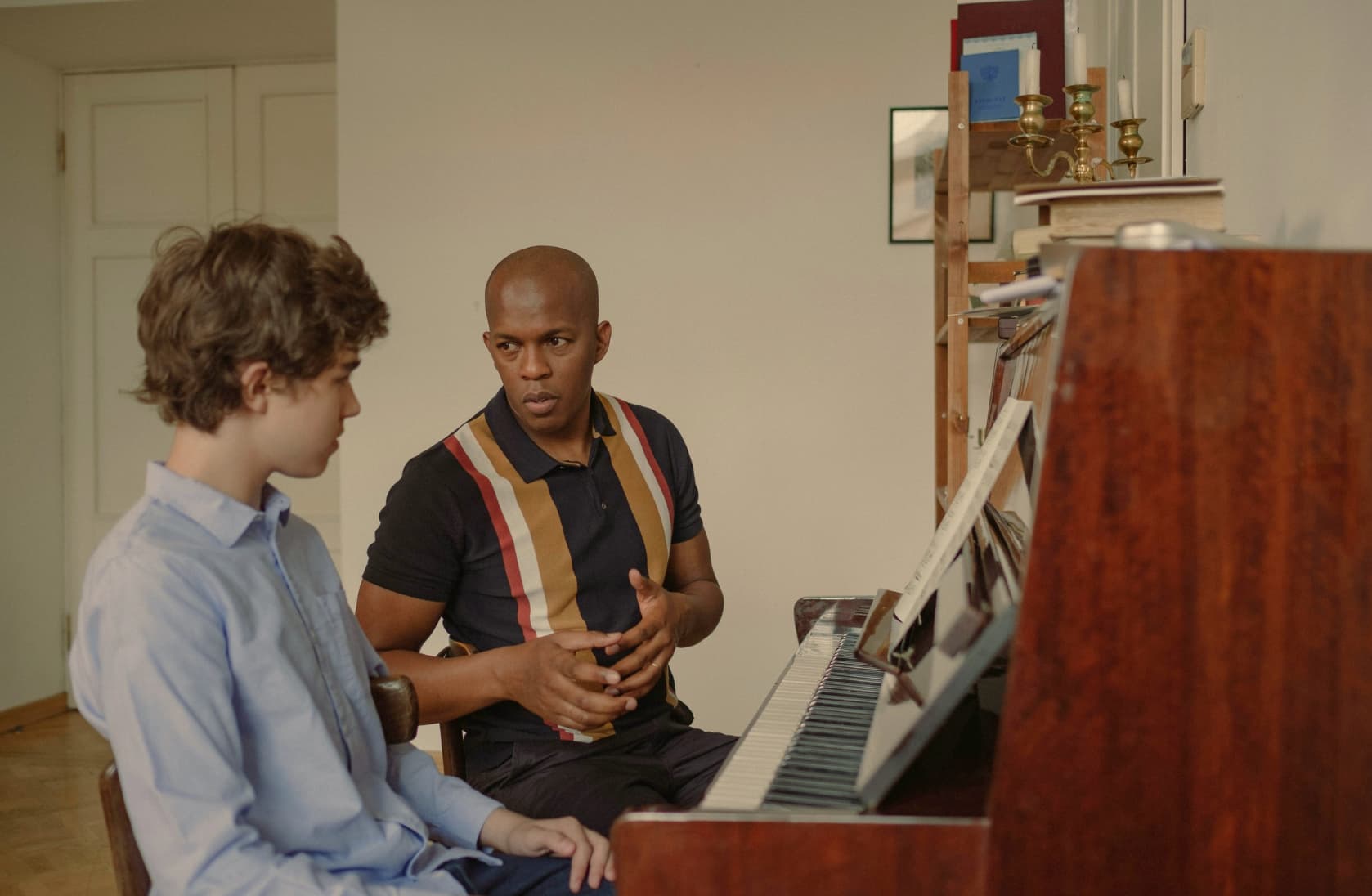
The right piano teacher in Sydney is someone who gives clear next steps, corrects mistakes early, and guides your practice so you improve consistently over time, not just play more songs.
In Sydney, many beginners start by exploring piano lessons based on location and availability before choosing a teacher.
Most beginners don’t struggle because piano is too hard. They struggle because they don’t know what to practise.
What should you figure out before looking for piano lessons?
You should be clear on what you actually want from piano lessons before comparing teachers.
Most people skip this and choose based on surface-level factors like price, location, or availability. Before you decide, think about whether you want structured lessons, casual guidance, exam preparation, pop songs, classical repertoire, or help building general musicianship.
If you don’t define this first, every teacher starts to look similar.
How do you choose the right piano teacher?
- Choose a teacher who gives clear next steps between lessons
- Make sure they correct mistakes early, not just let you play through pieces
- Look for structured progression, not random song-by-song teaching
- Prioritise communication over qualifications alone
- Try 1–2 lessons before committing long term
What actually matters when choosing a piano teacher
The most important factor is how well the teacher can guide your learning at your level.
A good piano teacher gives you a clear practice plan and a logical progression from week to week. You should always know what to practise, how to practise it, and what improvement should look like.
Without that, it’s easy to practise in a way that feels productive but leads to very little actual improvement.
How good teaching actually improves your progress
Progress on piano doesn’t come from playing more, it comes from fixing the right problems.
A strong teacher:
- Identifies what’s holding you back
- Gives targeted exercises to fix it
- Builds skills in a logical order
For example, a teacher might notice inefficient fingering in a simple scale, correct it, and give you a specific way to practise it. That single change can make your playing feel smoother almost immediately.
This is what separates structured learning from guessing.
Should your piano teacher match your goals?
Yes, your piano teacher should match your goals as closely as possible.
If you want to play pop songs, your teacher should be comfortable teaching chords, rhythm, and song-based learning. If your goal is exams or classical repertoire, they should have experience guiding students through that path.
A good fit means the teacher isn’t just generally good. They’re good for what you actually want to learn.
How do you know if a piano teacher is actually good?
A piano teacher is effective if you leave each lesson with clear next steps and feel improvement over time.
Look for:
- Specific feedback during the lesson
- A clear plan for what to practise
- Noticeable improvement across a few weeks
- Changes that make playing feel easier or more controlled
If lessons feel vague or repetitive, progress usually slows.
What should a good piano lesson feel like?
A good piano lesson should feel focused, clear, and slightly challenging without being overwhelming.
You should understand what you’re working on and why it matters. The lesson should give you direction for the week ahead and build on previous sessions.
If you’re just playing through songs without a clear plan, progress is usually slow.
Why learning only pieces can limit your progress
Learning pieces alone can feel productive, but it often hides gaps in understanding.
If you’re only copying what to play without understanding it, you become dependent on instruction rather than improving independently.
A stronger approach builds technique, rhythm, listening, and independence. This allows you to improve faster over time instead of restarting with each new piece.
Should you choose a piano teacher based on qualifications?
Qualifications can help, but they’re not the most important factor.
They show musical knowledge, but they don’t guarantee the teacher can explain things clearly or guide a beginner effectively.
Strong teaching comes from:
- Clear communication
- Ability to simplify concepts
- Structured progression
- Adaptability to your level
A teacher who explains well will usually be more valuable than one who simply plays well.
Why choosing the wrong teacher slows you down long term
Choosing the wrong teacher doesn’t just slow progress, it can build habits that are harder to fix later.
If mistakes aren’t corrected early, they become automatic. Fixing them later takes more time than learning them correctly from the start.
That’s why choosing carefully early on matters.
Are private or group piano lessons better?
Private lessons are usually better for beginners who want faster progress.
They provide:
- Direct feedback
- A personalised pace
- Immediate correction
- Focus on your specific weaknesses
Group lessons can work as a low-pressure introduction, but they don’t offer the same level of individual guidance.
Are online or in-person piano lessons better?
Both can work, but in-person lessons are usually better for beginners.
In-person teaching allows the teacher to clearly see posture, hand position, and movement. These details are difficult to self-correct early on.
Online lessons can still be effective if:
- The teacher is experienced
- Your setup is clear
- You stay consistent with practice
Are cheap piano lessons worth it?
Cheap piano lessons can work, but they often lack the structured guidance beginners need to improve efficiently.
This becomes more noticeable after the first few months, when progress depends on how well problems are identified and corrected.
Weak guidance early on often leads to slower progress later, which costs more time than it saves money.
Should you try multiple piano teachers?
Yes, trying more than one teacher can help you find the right fit.
Once you start with a teacher, it can feel harder to switch. Comparing 1–2 options early helps you choose with more confidence.
A small amount of comparison early can prevent months of slow progress later.
How quickly can you tell if a piano teacher is right for you?
Most beginners can tell within 1–3 lessons.
Good signs include:
- Clear feedback
- Practical guidance
- At least one noticeable improvement
Many beginners experience small but immediate changes, such as smoother hand movement or more consistent timing.
Red flags to watch out for when choosing a piano teacher
Watch out for:
- No clear plan between lessons
- Minimal correction
- Repeating the same material without improvement
- Passive or unstructured lessons
- No adaptation to your goals
The biggest red flag is lack of direction.
Are piano lessons worth it if the teacher isn’t right?
No. Without effective guidance, lessons lose their value.
If progress feels unclear, the better move is finding a teacher who suits you, not continuing without direction.
How do you choose piano lessons in Sydney that actually suit you?
The right choice depends on your goals, schedule, and location.
In Sydney, consider:
- Whether the teacher is near your suburb (Inner West, North Shore, Western Sydney)
- Whether lesson times fit your routine
- Whether they regularly teach beginners
- Whether their teaching style matches your goals
Find a piano teacher based on location, availability, and teaching approach, try multiple options, and see who suits you best.
 September 30, 2026
Where Could I Find an Affordable Clarinet Teacher in Sydney?
TL;DR A limited monthly budget can still leave you with options for clarinet lessons in Sydney. Start with the price… September 26, 2026
Where to Actually Look Before You Buy an Instrument
The obvious first search usually isn't the right one. The instinct is almost always the same. A lesson gets booked,… September 23, 2026
What Should I Learn First on Piano? A Beginner’s Step-by-Step Guide
TL;DR Start by learning the keyboard pattern, a small group of notes, finger numbers and a steady beat. Practise a… September 23, 2026
How Much Does Logic Pro Cost for Beginners?
TL;DR Logic Pro is Apple's music production software for Mac. In Australia, Logic Pro for Mac costs $299.99 as a…