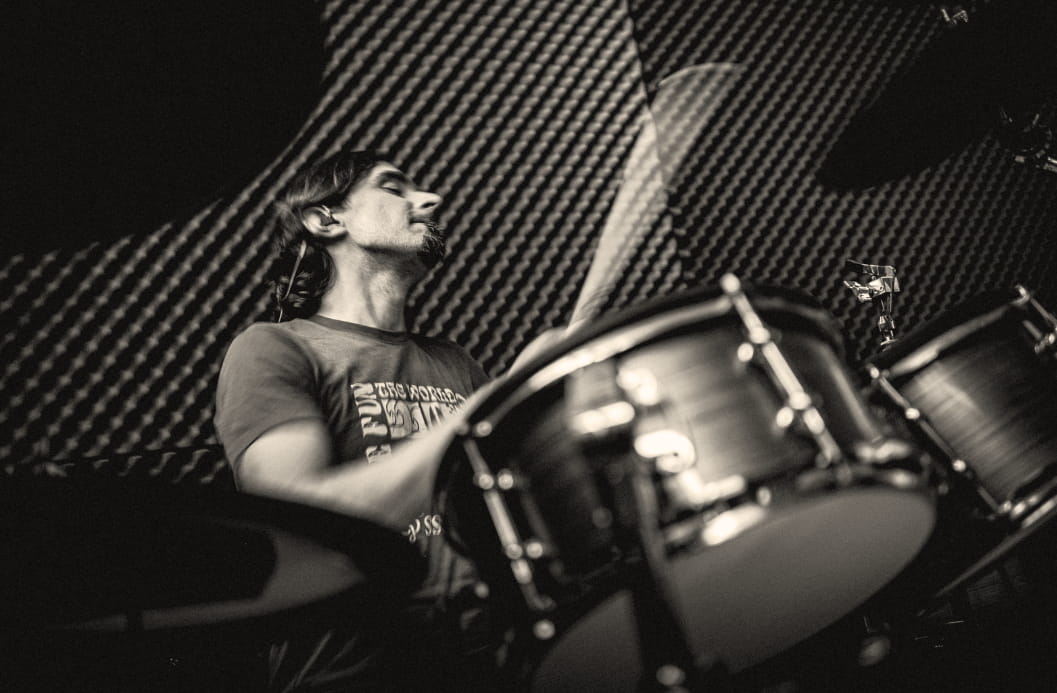
Choosing the right drum teacher in Sydney comes down to finding someone who can assess your level, structure your progress, and actually move your playing forward over time. The best drum lessons don’t just show you grooves, they give you a clear path to improving timing, coordination, technique, and confidence.
Most people don’t pick the wrong drum teacher because there aren’t good options. They pick wrong because they don’t know what to evaluate.
Start by comparing drum lessons in your area
The smartest first step is to compare a few options before committing. If you’re still deciding, you can browse available drum lessons to see different teachers, locations, and lesson styles across Sydney.
Whether you’re in the Inner West, Eastern Suburbs, North Shore, Western Sydney, or the Sutherland Shire, location matters because consistency matters. A great teacher that’s hard to get to often becomes a poor fit in practice.
If you’re just starting, don’t overthink this. Choose someone accessible, fairly priced, and capable of giving you direction. You can refine your choice later.
What should you ask yourself before choosing drum lessons?
You should define your goal first because your goal determines what a “good” teacher actually is.
Ask yourself:
- Do I want to play casually or seriously
- Am I aiming for bands, exams like AMEB, or just enjoyment
- How quickly do I want to improve
- How much can I realistically practise each week
If you don’t answer this, you’ll judge teachers randomly instead of against a clear outcome.
What makes a good drum teacher different from a good drummer?
A good drum teacher is not just a good drummer because teaching and playing are different skills.
A strong teacher can identify exactly what’s wrong, explain it clearly, and adjust their explanation until it makes sense to you. A strong player who can’t explain things properly will slow you down.
How your goals should shape who you choose
Your goal should shape your choice because casual playing, performance, and exams require completely different teaching.
- Casual players need flexibility and engagement
- Performers need groove, timing, and musical awareness
- Exam students need structure, reading, and precision
If the teacher’s approach doesn’t match your goal, progress feels slow even if they’re technically good.
What kind of drum teacher should you look for?
Different teachers bring different strengths.
- Full-time teachers
- Strong structure and explanation
- Professional performers
- Strong real-world insight
- Hybrid teachers
- Balanced approach
There’s no best type, only the best fit for your goal.
Quick checklist: how to evaluate a drum teacher
Do they:
- Assess your level?
- Understand your goals?
- Explain clearly?
- Provide structure?
- Give actionable feedback?
- Track progress?
- Match your style?
- Leave you with clear direction?
Quick checklist: warning signs
- No plan
- No feedback
- Lessons feel random
- You feel confused
- No visible progress
Do credentials actually matter?
Credentials can help, but they don’t guarantee good teaching.
What matters is whether the teacher can break things down, diagnose your issues, and give you something you can actually apply. A highly trained player who can’t teach properly is still a poor fit.
What track record should a drum teacher have?
A good teacher should show both playing experience and student results.
Look for:
- Real playing experience
- Students improving over time
- Evidence they’ve helped people reach goals
You don’t need famous students, you need proof that people actually get better.
What should a drum teacher assess before starting?
A good teacher should assess you before teaching you.
They should:
- Ask about your goals
- Listen to you play
- Identify timing, coordination, or technique issues
- Adjust based on your level
If they don’t assess you, they’re guessing.
What should complete drum lessons actually include?
A complete drum lesson should develop theory, technique, and application together.
- Theory
- Rhythm and notation
- Technique
- Hands, feet, control, efficiency
- Application
- Grooves, coordination, real playing
If one is missing, your development becomes uneven.
What a good drum lesson plan actually looks like
If your drum lessons don’t build week to week, you’re not progressing, you’re just staying busy.
A strong lesson includes:
- Technical focus
- Timing or coordination work
- Application to music
- Clear feedback
- Clear practice direction
Why accountability matters in drum lessons
Accountability is what turns practice into progress.
A good teacher checks what you practised, gives feedback, and adjusts the next step. Without this, lessons become disconnected.
Online vs in-person drum lessons: how to evaluate each
Both formats work, but you judge them differently.
In-person:
- Better for physical correction
- Better sound clarity
- Immediate feedback
Online:
- Depends on communication
- Needs good audio and camera setup
- Requires clear explanation
In person, judge how they observe. Online, judge how they explain.
What questions should you ask before committing?
Ask questions that reveal structure and thinking.
- How are lessons structured
- How is progress tracked
- What would my first few months look like
- What do you focus on most
What red flags should you watch for?
- No structure
- No progress tracking
- Vague feedback
- Lessons feel random
- Your goals are ignored
Should a drum teacher push you or keep things easy?
A good teacher should challenge you without overwhelming you.
They should point out issues clearly, show how to fix them, and keep things achievable. Too easy leads to stagnation. Too harsh leads to disengagement.
What separates good drum teaching from bad teaching?
A good teacher adapts. A bad one repeats.
Good teachers:
- Try different explanations
- Break problems down
- Work with you until it clicks
Bad teachers:
- Repeat the same instruction
- Get frustrated
- Move on without fixing issues
Why clarity matters more than complexity
If you’re thinking about too many things at once, you won’t improve.
A good teacher simplifies, focuses on key priorities, and builds step by step. Clarity drives progress.
Why progress in drumming isn’t linear
Progress comes in stages.
You might improve quickly, plateau, then improve again. A good teacher keeps you moving forward through all phases.
How to know if drum lessons are actually working
You’re improving if:
- Timing is more consistent
- Playing feels more controlled
- You understand what to practise
- Confidence is increasing
If you can’t see progress over time, something needs to change.
How to switch drum teachers without it being awkward
Switching is normal. Keep it simple.
“I’ve decided to try a different direction with my lessons, thanks for your help so far.”
Staying out of politeness usually slows your progress more than leaving.
How to tell if you’ve outgrown your teacher
- Lessons feel comfortable but not challenging
- You’re repeating similar material
- Your questions go deeper than the answers
- You feel stuck
Outgrowing a teacher means you need a new level, not that they were bad.
Should beginners prioritise convenience?
Yes. At the start, consistency matters more than perfection.
Choose:
- A convenient location
- A sustainable price
- A teacher you’ll actually see regularly
You can optimise later. Build momentum first.
Final thoughts on choosing the right drum teacher in Sydney
The right drum teacher gives you structure, clarity, and a path that matches your goals.
At this point, you should be able to tell within one or two lessons whether a teacher is actually moving you forward.
If you’re ready to explore your options, you can compare drum teachers and find one that fits your goals, location, and level.
 September 30, 2026
Where Could I Find an Affordable Clarinet Teacher in Sydney?
TL;DR A limited monthly budget can still leave you with options for clarinet lessons in Sydney. Start with the price… September 26, 2026
Where to Actually Look Before You Buy an Instrument
The obvious first search usually isn't the right one. The instinct is almost always the same. A lesson gets booked,… September 23, 2026
What Should I Learn First on Piano? A Beginner’s Step-by-Step Guide
TL;DR Start by learning the keyboard pattern, a small group of notes, finger numbers and a steady beat. Practise a… September 23, 2026
How Much Does Logic Pro Cost for Beginners?
TL;DR Logic Pro is Apple's music production software for Mac. In Australia, Logic Pro for Mac costs $299.99 as a…