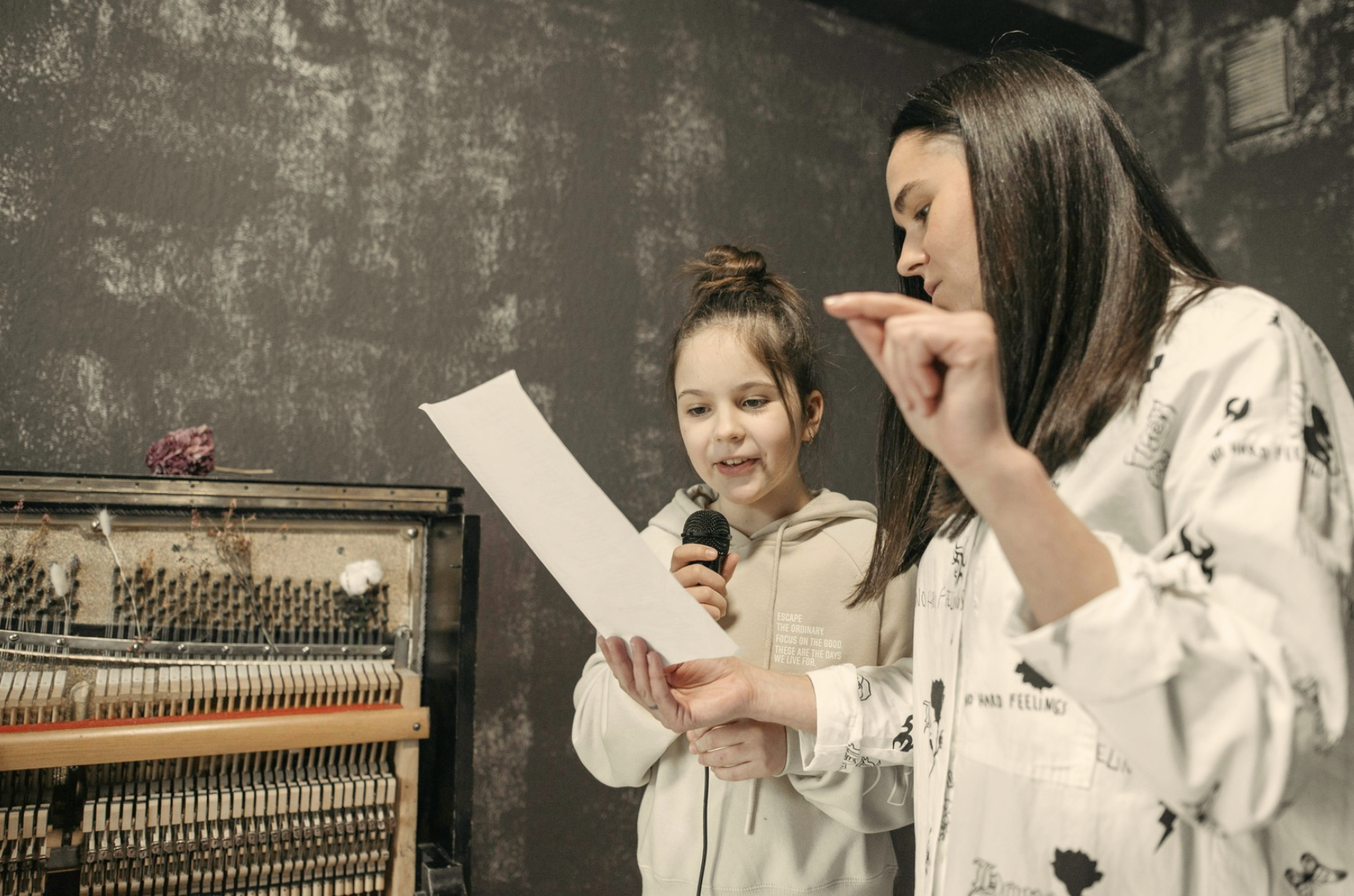
Choosing the right singing teacher in Sydney comes down to finding someone who can develop your voice safely, match your goals, and actually improve your control over time. The best singing lessons don’t just help you sing songs, they help you understand and use your voice consistently.
If you’re just starting singing lessons, don’t overcomplicate it
If you’re a beginner, the best move is to prioritise convenience and just get started rather than trying to find the “perfect” teacher.
At the early stage, what matters most is:
- A teacher you can access easily
- A price you can sustain
- A setup that allows you to stay consistent
Things like teaching style, vocal methodology, or specialisation matter more later. Right now, consistency beats optimisation.
In a city like Sydney, that often means choosing:
- A teacher close to home or work
- Or a reliable online option you’ll actually attend
It’s better to start with a “good enough” teacher and build momentum than spend weeks analysing and never begin.
You can always refine your choice later once you understand your voice and goals more clearly.
What are some good goals for singing?
You should define what you want before choosing a teacher because it directly determines who is actually a good fit.
Think about:
- What style you want to sing
- Whether you want technique, performance, or both
- Your budget and how often you can commit
- Whether you prefer online or in-person singing lessons
If you skip this step, you’ll choose based on convenience instead of fit.
What’s the difference between a singing teacher and a vocal coach?
A singing teacher builds your voice, while a vocal coach focuses on performance.
A singing teacher works on:
- Breath control
- Pitch accuracy
- Tone and coordination
- Range development
A vocal coach focuses on:
- Song delivery
- Expression and interpretation
- Performance preparation
Most teachers overlap, but beginners need technique first.
The three types of singing teachers you’ll come across
Most teachers fall into one of these categories.
Stylist-focused teachers
Focus on songs and genre. Useful for performance but weaker for fundamentals.
Technique-focused teachers
Focus on how your voice works. This is where long-term control comes from.
Voice specialists
Work closer to vocal health and rehabilitation, sometimes alongside medical professionals.
Most strong teachers combine technique and style. The key is whether that balance fits your goals.
Why are singing lessons are different to other instruments?
Singing is more personal than instruments like piano or guitar, which changes how you learn.
Your voice is tied to identity, confidence, and internal sensation. That means:
- Tension directly affects sound
- Comfort affects performance
- Feedback needs to be precise and constructive
Get the wrong teacher and you might think you can’t sing, when the issue is poor guidance.
Online vs in-person singing lessons: which is better?
In-person singing lessons are better for building technique, while online lessons are strong for convenience and flexibility.
In-person gives:
- More accurate listening and correction
- Immediate physical adjustments
- Faster feedback
Online works well if:
- You already have some control
- The teacher communicates clearly
- Your setup is decent
If possible, start in person, then you can move online later.
How location affects your choice of singing lessons in Sydney
Location matters because it directly affects consistency.
If your teacher is too far away, it becomes:
- Easier to skip lessons
- Harder to stay consistent
- Mentally draining over time
Across Sydney, travel time varies a lot depending on where you live. Choosing a teacher within a reasonable distance makes it far more likely you’ll stick with lessons long term.
If travel becomes a barrier, online singing lessons are a practical alternative.
Start by comparing singing lessons in your area
The smartest first step is to compare multiple options before committing. If you’re still exploring, you can browse and and compare singing teachers to see differences in style, experience, and availability.
Whether you’re in the Inner West, Eastern Suburbs, North Shore, or Western Sydney, looking at multiple local singing teachers helps you avoid committing too early to the wrong fit.
Most people choose the first teacher they find and only realise later the fit isn’t right. A small amount of comparison upfront prevents that.
What red flags should you watch out for in singing teachers?
You can usually identify a poor fit early.
Watch for:
- No questions about your goals
- No explanation behind corrections
- Vocal strain or discomfort after lessons
- You feel worse about your voice
Multiple red flags means move on early.
Should you choose a teacher based on vocal health or special requirements?
Yes, if you have vocal issues or specific physical considerations, you need a teacher with relevant experience.
This includes:
- Vocal strain or fatigue
- Nodules or polyps
- Asthma or breath limitations
- Hormonal voice changes
A good teacher will know their limits and refer out when needed.
Does a singing teacher’s background matter?
Your teacher’s background shapes how your voice is trained.
Different styles often emphasise different mechanics:
- Classical focuses on resonance and projection
- Contemporary focuses on tone and flexibility
A mismatch won’t ruin progress, but it can slow it down.
Do you want a singing teacher who leads or collaborates with you?
You should choose based on how much guidance you want.
Some teachers:
- Lead strongly
- Give direct instruction
Others:
- Ask more questions
- Let you guide artistic direction
Neither is better. The key is alignment with how you want to learn.
How to use your first singing lesson to evaluate a teacher
Your first lesson should be treated as a test of the teacher.
Pay attention to:
- Whether they assess your voice properly
- How clearly they explain changes
- Whether exercises feel targeted
- How your voice feels during and after
A strong teacher will identify something specific and give you a way to improve it quickly.
What questions should you ask a singing teacher before committing?
You should ask direct questions before committing because it reveals how the teacher actually works.
Ask:
- How do you structure your singing lessons?
- How do you track progress?
- Do you focus more on technique or songs?
- Have you worked with similar students?
- What should I expect in the first few months?
You can also ask:
- Do you offer trial singing lessons?
- Do you give practice guidance between lessons?
- What happens if progress stalls?
What should happen in a proper singing lesson?
A proper singing lesson builds technique, then applies it.
You’ll usually see:
- Warm-ups and breathing work
- Targeted exercises
- Application to songs
- Feedback and a practice plan
If there’s no structure, progress becomes inconsistent.
Steps to choose the right singing teacher
Follow a simple process.
Step 1: Define your goals
Step 2: Shortlist 2–4 teachers
Step 3: Take trial lessons
Step 4: Evaluate clarity and vocal response
Step 5: Compare before committing
Of course, keep in mind you’ll be a better singer by the time you try your 3rd or 4th teacher than when you tried your first teacher. Try look past your ability and more about how they communicate with you and show you how to practice yourself at home.
Most people skip comparison. You’ll be with your teacher likely for a long time, so choose the right one from the beginning and save yourself the hassle down the line.
What separates great singing teachers from average ones
Great teachers build independence. Great teachers teach you as if you are to become a teacher yourself, as when you’re practice at home you have to be disciplined and apply the right strategies to make progress quickly.
Great teachers also correct you when you’re building bad habits; they aren’t afraid to tell you that you’re doing something wrong. But they also give positive feedback, because they understand motivation and encouragement are key to sticking with your learning journey long-term.
How to know if singing lessons are actually working
Singing lessons are working if your voice becomes more controlled and consistent.
You should notice:
- More reliable pitch
- Less strain
- Better awareness
- More consistency
Recording yourself is one of the best tricks to see where you really sit (even if you hate the sound of your own voice). You will get used to it, and it helps because what you hear while singing isn’t necessarily what others hear.
How your voice actually develops over time in singing lessons
Your voice develops through coordination, not strength.
Most beginners think improvement works like the gym. It doesn’t. You’re building coordination between breath, vocal folds, and resonance.
Early lessons focus on:
- Reducing tension
- Finding what already works
- Building consistency
Progress usually follows:
- Awareness
- Inconsistency
- Stability
- Expansion
Most people quit in stage two because it feels unstable. That’s actually progress. It’s normal to sometimes feel like you’re getting worse before you’re getting better, especially with a change in technique to what you’re used to.
Why one-on-one singing lessons outperform self-learning
One-on-one singing lessons work better because they provide real-time correction.
Videos can’t:
- Tell you when you’re wrong
- Adjust for your voice
- Fix habits immediately
That feedback loop is what drives progress. Very often people get stuck in Youtube learning paralysis, where you just keep watching videos instead of actually doing what you need to do (singing!)
How important is personality fit in singing lessons?
It’s critical because tension affects your voice directly.
A good teacher:
- Creates a safe environment
- Gives constructive feedback
- Pushes you appropriately
Should kids and adults choose differently?
Yes.
For kids:
- Focus on safe development
- Avoid pushing range early
For adults:
- Clear explanation matters more
- Style alignment matters more
How long does it take to improve in singing lessons?
Most people notice changes within weeks, but meaningful progress takes months.
It depends on practice, feedback, and starting point.
Final thoughts on choosing the right singing teacher in Sydney
The right singing teacher improves your voice, communicates clearly, and helps you build confidence without strain.
Take the time to compare Sydney-based singing teachers, try a lesson, and evaluate properly. Find a singing teacher that fits your goals and location, and shows you how to practice on your own.
The right singing lessons will make your voice more controlled, more consistent, and easier to use over time.
 September 30, 2026
Where Could I Find an Affordable Clarinet Teacher in Sydney?
TL;DR A limited monthly budget can still leave you with options for clarinet lessons in Sydney. Start with the price… September 26, 2026
Where to Actually Look Before You Buy an Instrument
The obvious first search usually isn't the right one. The instinct is almost always the same. A lesson gets booked,… September 23, 2026
What Should I Learn First on Piano? A Beginner’s Step-by-Step Guide
TL;DR Start by learning the keyboard pattern, a small group of notes, finger numbers and a steady beat. Practise a… September 23, 2026
How Much Does Logic Pro Cost for Beginners?
TL;DR Logic Pro is Apple's music production software for Mac. In Australia, Logic Pro for Mac costs $299.99 as a…