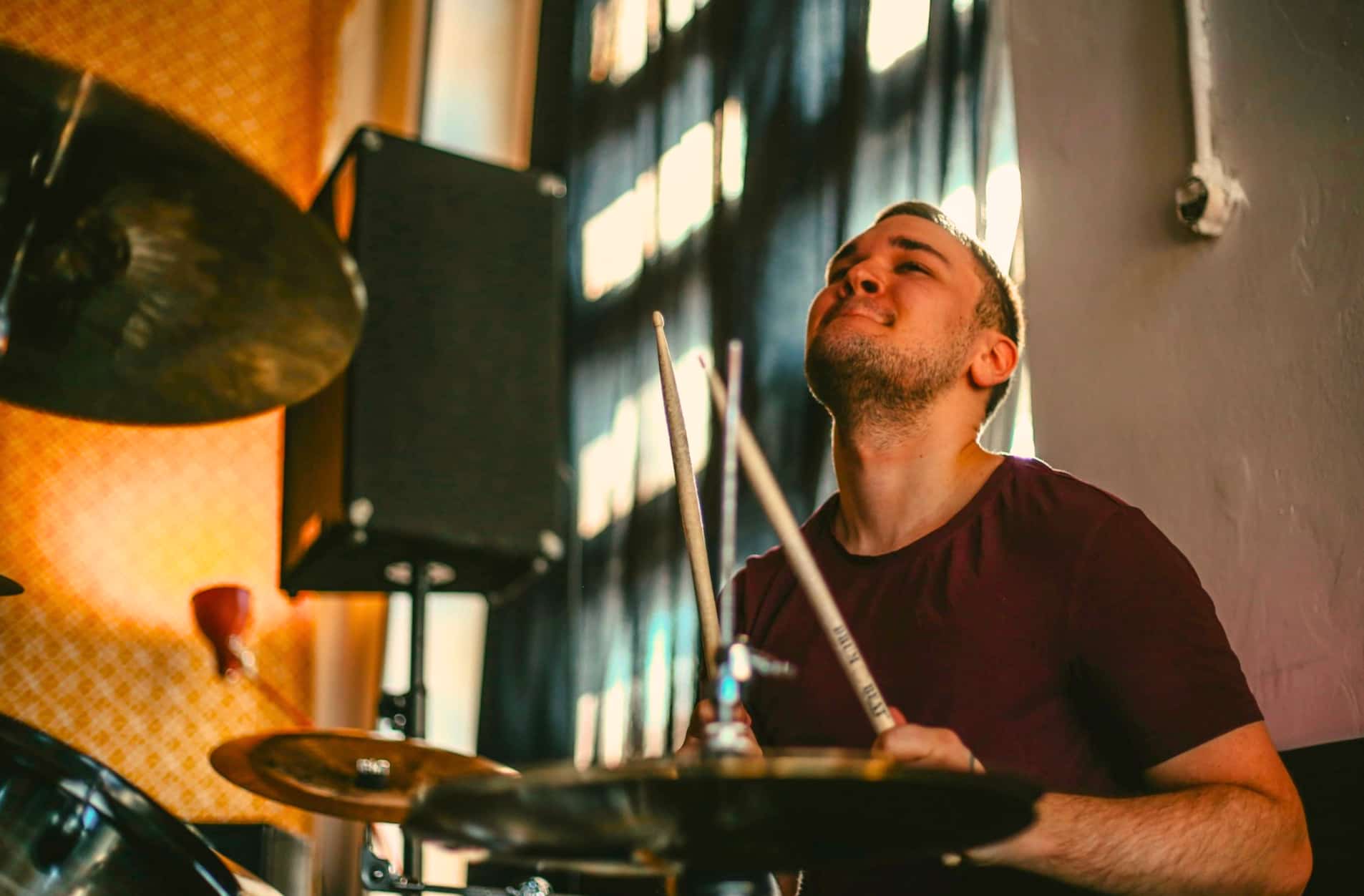
Drum lessons in Sydney typically cost between $90 and $120 per hour for private, in-person tuition. Like most instrument lessons, pricing depends on lesson length and teacher experience, but drums also involve extra factors like equipment, noise, and access to a proper setup, which can influence your total cost more than other instruments.
What Is the Realistic Price of Drum Lessons in Sydney Right Now?
Drum lessons in Sydney realistically sit between $90 and $120 per hour for a qualified, experienced teacher.
Shorter lessons scale down slightly, but not proportionally. A 30-minute lesson might cost $50 to $70, while 45-minute lessons usually fall between $70 and $95. The reason hourly lessons dominate is simple. Drumming takes time to settle into, so shorter sessions often limit how much you actually improve.
If you’re seeing prices well below this range, it usually reflects lower experience, not a better deal.
Why Do Drum Lessons Sit at the Higher End of Instrument Lessons?
Drum lessons sit at the higher end because they often include access to equipment and space, not just teaching.
A proper drum lesson usually involves a full kit, a suitable room, and the ability to play at volume. That setup isn’t cheap to maintain, and unlike other instruments, it’s not easily replicated in every home.
You’re effectively paying for three things at once. The teacher, the environment, and the gear.
What Does the Music Teachers Association of NSW Recommend for Drum Lessons?
The Music Teachers Association of NSW recommends around $115 per hour, or $126.50 including GST, for qualified private music teachers.
You can view the full guideline here: Music Teachers Association recommended fees
This benchmark aligns directly with the $90–$120 range. If a teacher is pricing near or slightly below that level, they’re operating within a professional standard, not overcharging.
Does Lesson Length Matter More for Drums Than Other Instruments?
Yes, lesson length matters more for drums because of the physical and coordination demands.
Drumming involves all four limbs working together. It takes time each lesson just to lock into timing, feel, and control. In a 30-minute session, a noticeable portion of the lesson can be spent just getting into the groove before progressing.
That’s why 45 to 60-minute lessons are far more effective. You get enough time to build technique, apply it, and correct mistakes properly.
Do You Need Your Own Drum Kit to Make Lessons Worth It?
Yes, you eventually need your own setup if you want to progress properly.
You can start without one, especially if your lessons are in a studio, but practising once a week during a lesson is not enough to improve at drums. This is a coordination-heavy instrument, and repetition is everything.
At minimum, a practice pad helps. Real progress comes when you have consistent access to a kit.
How Much Does a Drum Kit Add to the Total Cost?
A drum kit can add anywhere from $300 to over $1,500 depending on what you choose.
A basic electronic kit usually sits between $500 and $1,000 and is the most practical option for most Sydney homes. Acoustic kits can be similar or higher, but they come with noise limitations that make them harder to use regularly.
This upfront cost is what separates drums from instruments like singing or guitar. You’re investing in the ability to practise, not just the lesson itself.
What If You Can’t Practise at Home?
If you can’t practise at home, you’ll likely need to hire a studio, which adds ongoing cost.
Studio hire in Sydney typically ranges from $20 to $65 per hour. Even one session per week can add $80 to $250 per month on top of your lessons.
That’s a real constraint for drummers. Noise is not optional with an acoustic kit, and even electronic kits don’t fully replace the feel of a real setup.
Are Online Drum Lessons a Good Way to Save Money?
Online drum lessons can be cheaper, but they come with limitations.
They work well for theory, rhythm reading, and feedback on recordings. They struggle with physical correction, posture, and real-time interaction on a kit.
For beginners, in-person lessons are a stronger foundation. Online can work later once you already have control and awareness.
What Actually Drives the Price of Drum Lessons Up or Down?
The biggest drivers are teacher experience, lesson duration, and access to equipment.
A more experienced teacher charges more because they can fix problems faster and teach more efficiently. Longer lessons cost more but deliver better value. Lessons that include a full setup or studio space will also sit at the higher end.
Location plays a smaller role, but it still matters. Inner Sydney tends to be slightly more expensive than outer areas.
What Is the Real Cost of Learning Drums With Bad Technique?
The real cost is time, injury risk, and having to relearn everything later.
Poor technique in drumming leads to tension, inefficient movement, and in many cases, wrist or shoulder strain. Unlike some instruments, bad habits here are not just about sound, they can affect your body.
Fixing those habits later takes longer than learning properly from the start. That means more lessons, more time, and slower progress.
This is also why paying more for an expert teacher can be worth it, because fixing bad technique early is usually far cheaper than trying to undo it later.
How Do You Get the Best Value From Drum Lessons?
You get the best value by combining consistent lessons with regular access to a kit.
A good teacher without practice won’t get results. A basic setup with consistent lessons will.
If you’re starting out, the most effective path is to lock in weekly lessons through drum lessons and make sure you can practise between sessions. That’s what turns cost into actual progress.
 September 30, 2026
Where Could I Find an Affordable Clarinet Teacher in Sydney?
TL;DR A limited monthly budget can still leave you with options for clarinet lessons in Sydney. Start with the price… September 26, 2026
Where to Actually Look Before You Buy an Instrument
The obvious first search usually isn't the right one. The instinct is almost always the same. A lesson gets booked,… September 23, 2026
What Should I Learn First on Piano? A Beginner’s Step-by-Step Guide
TL;DR Start by learning the keyboard pattern, a small group of notes, finger numbers and a steady beat. Practise a… September 23, 2026
How Much Does Logic Pro Cost for Beginners?
TL;DR Logic Pro is Apple's music production software for Mac. In Australia, Logic Pro for Mac costs $299.99 as a…