

Drum Repair in Sydney
Getting Your Drums Repaired in Sydney
Drums take beatings, and over time, heads wear out, hardware loosens, shells crack, and pedals start to feel off.
Getting your kit properly assessed and fixed makes a real difference to how it sounds and plays. This page helps Sydney drummers figure out what their kit needs and get it sorted so they can get back behind the kit.
If you’re also looking to start or improve your playing, check out our drum lessons in Sydney.
 Enquire Now
What Are the Most Common Drum Repairs?
Most drum repairs fall into a handful of categories that any drummer will run into at some point, whether they’re on a beginner kit or a professional setup.
Drumhead replacement is the most routine job. Batter heads wear down with regular playing, developing dents and dead spots that kill the resonance. Reso heads last longer but eventually need replacing too. Swapping heads and tuning the kit properly can make an old-sounding kit feel completely new.
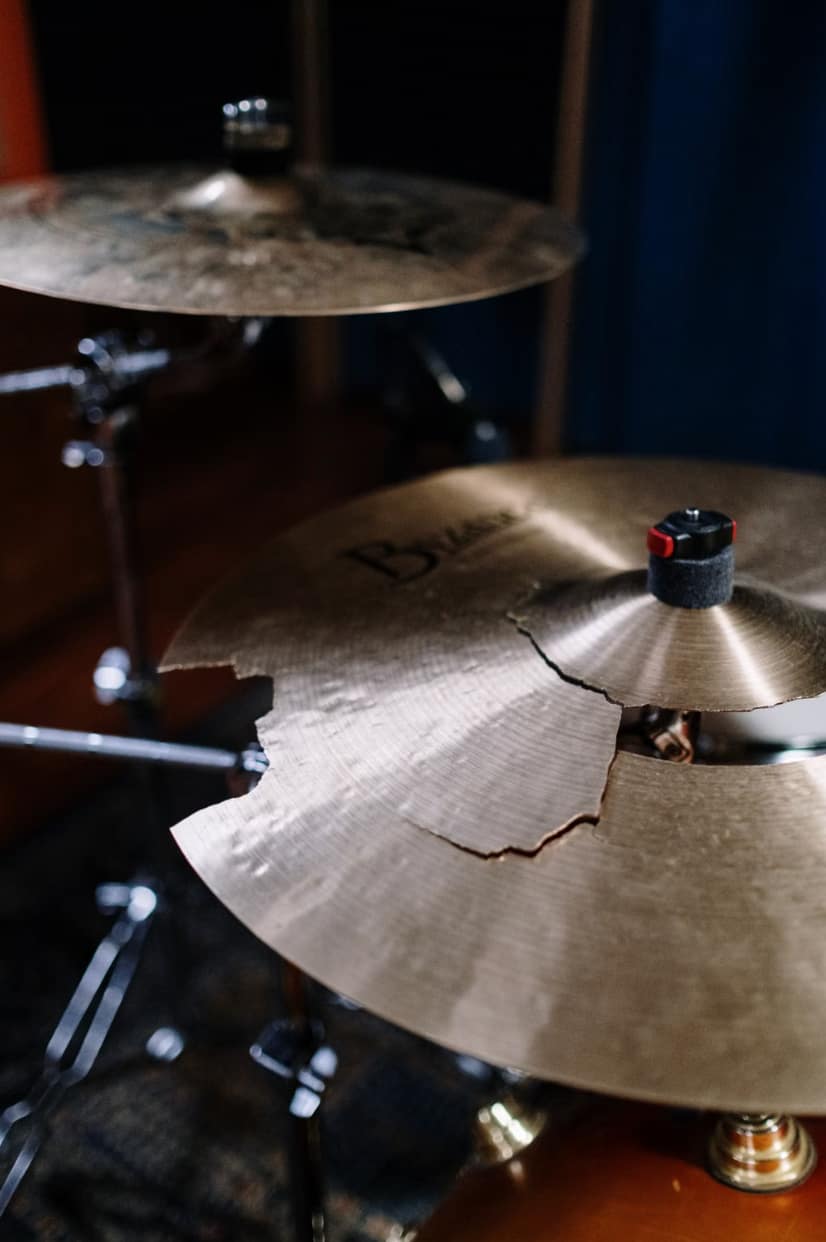
Hardware servicing covers everything from tightening loose lugs and wing nuts to fixing bent or broken stands, tom arms, and cymbal holders. Hardware issues are easy to ignore but affect playability and can get worse over time if left unchecked.
Pedal servicing and repair is one of the more common jobs for regular players. Bass drum pedals and hi-hat stands have multiple moving parts that wear down, loosen, or break. A pedal that feels sluggish or inconsistent is usually fixable with a proper service.
Shell repair covers cracks, chips, and bearing edge damage. The bearing edge is the rim of the shell where the head makes contact, and if it’s damaged or uneven, the drum won’t tune properly no matter what you do.
Re-wrapping and refinishing is more cosmetic but also affects the condition of the shell. Wrap that’s peeling or lifting can let moisture in and damage the wood underneath.
Snare mechanism repair involves fixing or replacing the strainer, butt plate, or snare wires. A snare that buzzes constantly or doesn’t respond properly usually needs a closer look at this mechanism.
How Much Does Drum Repair Cost in Sydney?
Costs vary depending on the repair type and the condition of the kit. As a general guide:
Drumhead replacement typically costs around $20 to $60 per head for the head itself, plus labour for fitting and tuning.
Hardware servicing for basic tightening and adjustments is usually a minor cost, while replacing broken parts depends on the component and brand.
Pedal servicing generally runs around $40 to $80 for a full clean, lubrication, and adjustment of a single pedal.
Shell and bearing edge repair varies widely depending on the extent of the damage, from around $50 for minor chips to significantly more for full shell restoration.
Re-wrapping a single drum typically starts around $80 to $150 depending on the size of the shell and the wrap material chosen.
Most repair specialists will assess your kit and provide a quote before starting work.
Should I Repair or Replace My Drums?
The decision to repair or replace comes down to the condition of your shells, the cost of the work needed, and where you’re at with your playing. For some kits the answer is obvious, for others it’s less clear cut.
A good gut check is comparing the repair quote to what a similar secondhand kit at your level is going for right now, if the numbers are close, it usually comes down to whether you already know and like the sound of this particular kit. It’s also worth getting a repair specialist’s honest read before committing, most will tell you straight up if a fix is only going to be a temporary patch rather than a real improvement, which saves you paying twice.
- The shells are good quality and the damage is limited to hardware or heads
- The repair cost is clearly less than the cost of a comparable replacement kit
- The kit has been properly set up and would be expensive to replicate at the same level
- The issue is routine maintenance like head replacement or pedal servicing
- You’re at an intermediate or advanced level and the kit suits your playing style
- A repair specialist has confirmed the fix will genuinely improve sound and playability
- The kit has sentimental or vintage value that makes replacement feel wrong
- Replacing it would mean stepping down in quality to stay within budget
- The repair cost approaches or exceeds the value of the kit
- Multiple things need fixing at once and costs are stacking up
- The shells are cracked or warped beyond what repair can properly fix
- You’re a beginner on a cheap starter kit that was never well made to begin with
- You’ve outgrown the kit and need something better suited to your current level
- A repair specialist has advised the kit isn’t worth investing further in
- A new kit would serve your playing significantly better than fixing the current one
- You’re planning to upgrade anyway and the repair is just delaying the inevitable
Drum Repair FAQs
How do I know if my drum kit needs a repair?
Common signs include heads that sound dull or have visible dents, lugs that won’t hold tension, a snare that buzzes uncontrollably or doesn’t engage properly, a pedal that feels inconsistent or stiff, or shells with visible cracks or chips. If your kit doesn’t sound or feel right, it’s worth getting it looked at before the issue develops further.
How often should drumheads be replaced?
It depends on how often you play. Regular players typically replace batter heads every few months, while more casual players might get a year or more out of a set. When heads develop dents, dead spots, or won’t tune up properly anymore, it’s time to replace them.
Can a cracked drum shell be repaired?
In many cases yes, depending on where the crack is and how serious it is. A crack along the bearing edge is more problematic than one on the outer shell surface. A repair specialist can assess whether it’s worth fixing or whether the shell is too compromised.
How long does drum repair take in Sydney?
Simple jobs like head replacement or hardware servicing can often be turned around quickly. More involved work like shell repair or re-wrapping takes longer. It’s worth contacting a repair specialist in advance to get a sense of turnaround time before dropping your kit off.
Should I attempt to repair my drums myself?
Basic maintenance like replacing heads and tightening hardware is straightforward enough to do yourself with the right tools. Anything involving shell repair, bearing edge work, or pedal rebuilds is better left to someone with the right experience, since getting it wrong can make things worse and more expensive to fix later.