

Bassoon Repair in Sydney
Getting Your Bassoon Repaired in Sydney
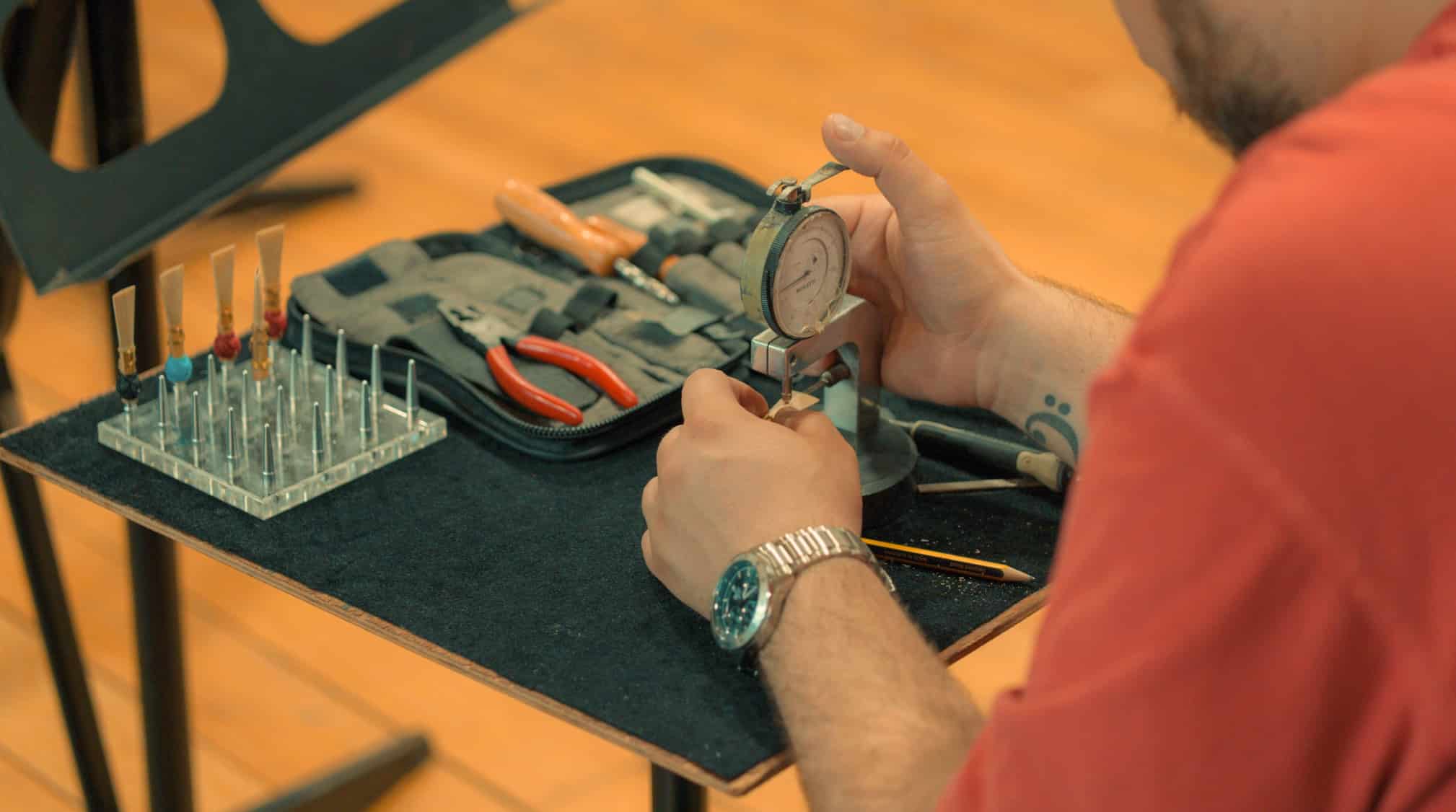
Bassoons develop faults over time from moisture cycling through the wood, wear on pads and corks, and the sheer number of moving parts in the keywork. Regular maintenance and prompt repairs keep intonation, response, and tone where they should be, and catch small issues before they turn into cracked joints or bent keywork. This matters even more for students taking bassoon lessons, since a poorly maintained instrument can hold a player back just as much as inconsistent practice.
Sydney has a small number of specialist woodwind techs who handle bassoon repair, spread across the inner west, north shore, and north west, including suburbs like Annandale, Marrickville, Camperdown, Allambie Heights, and North Rocks, so it’s worth checking who’s closest and who has bassoon specific experience, since not every general woodwind tech works on them regularly.
 View Teachers
Common Bassoon Problems
A handful of issues account for most bassoon repairs, and knowing them helps you sanity check any quote.
- Worn or leaking pads, causing weak notes, poor response, or tuning issues, especially on the boot joint’s low notes.
- Cracked or dried out corks on the bocal and joints, leading to air leaks and a stuffy or unfocused sound.
- Loose, bent, or broken springs, causing keys to feel sluggish or not return properly.
- Cracks in the wood body, more common on older instruments or with sudden temperature and humidity changes.
- Sticky or misaligned keys from worn felts or knocked out of regulation, affecting how keys interact across the mechanism.
- Bent or dented bocal, which throws off tuning and response even if everything else is fine.
Bassoon Repair Costs
Bassoon repair pricing in Sydney isn’t as standardised as something like guitar amp repair, since there are fewer specialist techs and jobs vary a lot by instrument condition, so treat these as general ballpark figures and confirm with a tech directly. A basic clean, oil, and adjust (COA) service, covering general upkeep without major parts replacement, typically runs $150 to $300.
Individual pad or cork replacement is usually priced per pad or per joint, often $40 to $80 each depending on access and pad type, so a handful of pads plus a cork or two might land around $200 to $400 all up. Spring replacement is minor, usually $30 to $60 per spring.
Bigger jobs cost more. A full repad, replacing most or all of the bassoon’s pads in one service, commonly runs $800 to $1,500 or more given how many pads and tone holes a bassoon has compared to other woodwinds. Crack repair, which usually involves pinning and sealing the wood, tends to run $150 to $400 per crack depending on severity and location, and a bocal repair or replating job is usually $100 to $250. A full overhaul or restoration on an older instrument can run $1,500 to $3,000 or more, so at that point it’s worth weighing it against the cost of a replacement instrument.
Is It Better To Repair Or Replace My Bassoon?
It depends on the bassoon’s value, age, and how much the repair costs relative to buying new or used. As a rough guide, if the quote comes in above 50 to 60% of what the instrument is worth, replacing is usually the better call, unless it’s a well regarded model or one you know and play well.
A quick way to check is to look up what similar bassoons are selling for secondhand right now, then compare that to the repair quote. It’s also worth asking the tech directly, most will tell you upfront if a repair isn’t worth it relative to the instrument’s value.
- The bassoon holds sentimental value or was a gift, purchase from a special occasion, or similar.
- The repair quote comes in under roughly half the bassoon’s current resale value.
- The fault is a common, low cost issue like pads, corks, or springs.
- The instrument’s tone and response are hard to match at the same price new.
- The wood body is otherwise structurally sound with no major cracking.
- A trusted tech has confirmed the fault is minor and quick to fix.
- It suits your current playing level and needs, and is otherwise in good shape.
- You’ve only had it a short time and it’s otherwise well maintained.
- The repair quote approaches or exceeds the bassoon’s current resale value.
- It’s needed multiple crack repairs already, or keeps developing new ones.
- It’s a budget or student model reaching the end of its practical life.
- The bocal or key components are obsolete or hard to source parts for.
- You’ve outgrown the instrument, moving from student to full or professional level.
- Intonation or response issues persist even after repair attempts.
- The wood body is severely warped or the keywork frame is damaged beyond repair.
- Repeated repair costs over time have added up to more than a replacement would cost.
FAQs - Bassoon Repair
How often should a bassoon be serviced?
Most bassoons should receive a professional service every one to two years, although instruments played frequently may benefit from annual maintenance.
Can a cracked bassoon be repaired?
Yes. Many cracks can be successfully repaired by an experienced woodwind technician, particularly when they are identified and treated early.
Why does my bassoon feel harder to play than usual?
Increased playing resistance is often caused by leaking pads, worn corks, air leaks or keywork that has fallen out of adjustment.
How long do bassoon repairs usually take?
Simple repairs can often be completed within several days, while larger repairs or complete overhauls may require one to three weeks depending on the work involved.
Is it worth restoring an older bassoon?
In many cases, yes. Well-made bassoons can remain excellent instruments for decades, and professional repairs often restore their performance while preserving their long-term value.