


Lien
Roselands
Finding a good piano accompanist is key to performing well in exams, concerts, auditions and more. Sydney Music Lessons connects students across Sydney with experienced piano accompanists who work with singers, instrumentalists, exam candidates, and aspiring collaborative pianists to make sure you are locked in to the music.
Our teachers offer lessons from private studios, online, and in-home where available. We cater to students across Sydney, including Inner West Sydney, Northern Sydney, Western Sydney, St George, and surrounding areas. Our piano accompaniment teachers are based in suburbs including North Ryde, Newington, and Roselands, with teachers available across many neighbouring suburbs.
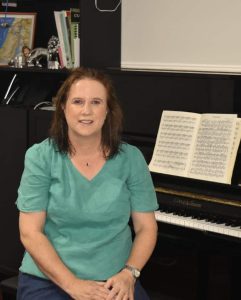
Whether you need piano accompaniment rehearsals for adults or piano accompaniment rehearsals for young performers, we provide rehearsal support tailored to each performer’s repertoire and goals.
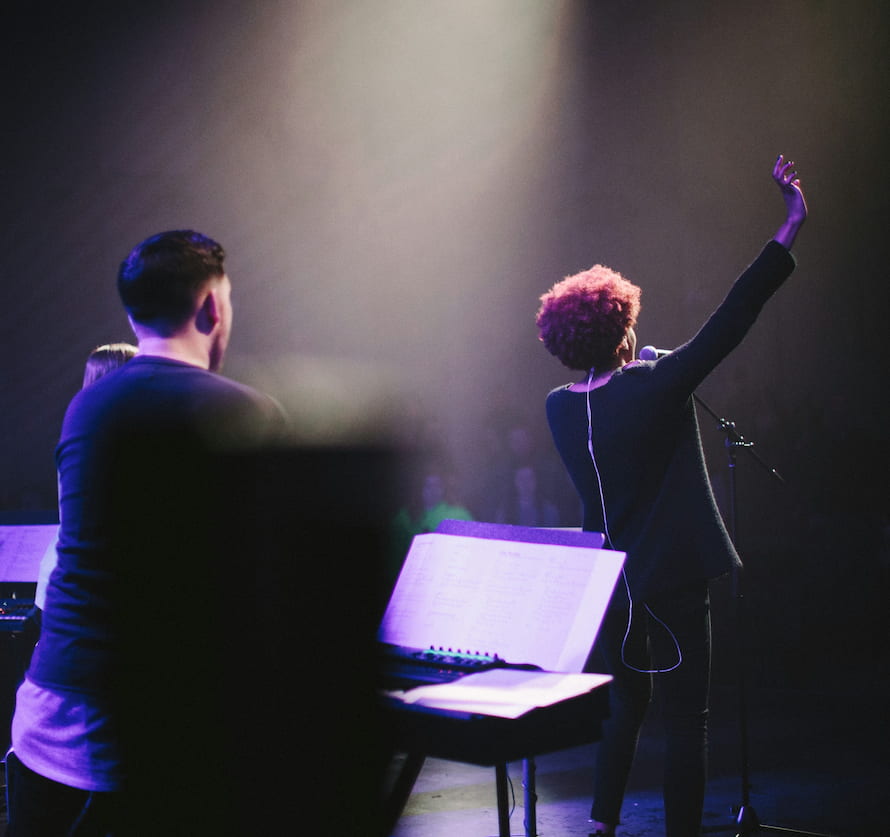
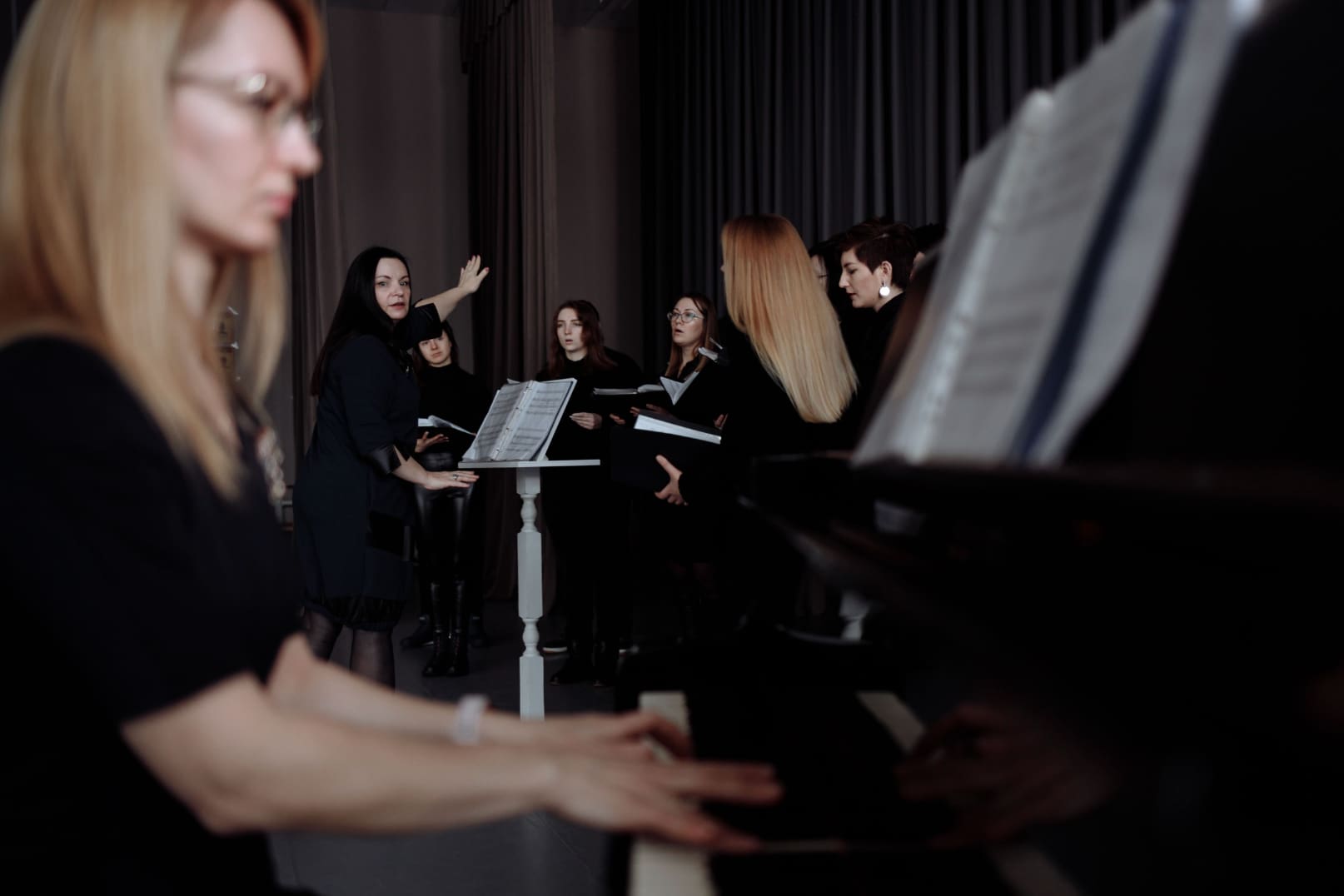
Many children have rehearsal accompaniment to prepare for auditions, exams, recitals, or performances with singers, instrumentalists, choirs, or community ensembles. Our accompanists work from lead sheets or full scores, follow your tempo and phrasing, and help you build confidence and cohesion ahead of the performance.
For adult performers, rehearsal accompaniment builds listening skills, rhythm, and ensemble awareness in a real performance context. Students get to play with others rather than only preparing solo repertoire, sharpening their musicianship along the way.
Many performers also strengthen these skills through our music theory lessons in Sydney, which support reading, harmony, rhythm, and musical understanding.
Piano accompaniment lessons in Sydney typically range from $90 to $110 per hour, depending on the teacher’s experience, qualifications, and the type of accompaniment skills being developed.
Collaborative playing skills
Unlike standard piano tuition, accompaniment lessons focus on working with singers and instrumentalists, requiring strong listening, timing, and ensemble skills, which can affect the price.
Lesson goals
Some students learn accompaniment for personal development, while others prepare for AMEB exams, HSC Music performances, auditions, or collaborative performance opportunities, meaning rehearsals are usually bought in a package based on the student’s needs.
Rehearsal Format
Rehearsals are usually best in-person, and if the teacher is travelling to you, it can increase the cost of the lesson.

Confident starts and endings
Tempo control and steadiness

Clear cues and entries

Better ensemble listening
Clean transitions and rubato
Fixing timing and rhythm

Exam-ready performance polish

Rehearsal strategies that stick
Piano accompaniment is when a pianist plays the written accompaniment part with the performer (instrument or voice) for an exam, audition, or performance. It’s not piano lessons — it’s performance support.
They rehearse beforehand, then on exam day they play the accompaniment confidently, support the solo line, and help keep tempo, entries, transitions, and endings clean under pressure.
If the syllabus requires accompaniment for the selected pieces (which is common), then yes. Even when it’s optional, rehearsing with an accompanist usually improves confidence and results.
Most performers do 1–3 rehearsals, depending on timeframe and difficulty. If the exam is close, one focused rehearsal is still far better than none.
Earlier is better — accompanists book out quickly during peak exam periods. As a rule, aim for 2–4 weeks ahead where possible.
Instrument/voice, exam board and level (e.g. AMEB grade, if known), exam/performance date/time/suburb, and the correct accompaniment (PDF is fine). You keep the music — you provide it.
Backing tracks can help practise, but a live accompanist feels different. A rehearsal with a real pianist prepares the performer for timing flexibility, breathing, and real performance flow.
Yes — within reason. A good accompanist can help with recovery and re-joining calmly, but the goal is rehearsing so it doesn’t happen on the day.
Reliability, strong sight-reading, the ability to follow the soloist, and experience with exam-style performance. The basics are clear starts/ends, stable tempo, and confident cues.
Pricing depends on rehearsal length, travel, and whether it includes the exam booking. If you share the date, location, and requirements, you’ll get a clear quote upfront.
Often, yes — it depends on availability and location. Travel fees (if any) should be confirmed upfront before booking.
Usually 2–4 rehearsals is ideal, depending on the difficulty and how soon the assessment is. If it’s close, one focused rehearsal can still make a big difference.
Great accompanist and very easy to organise. We had a few rehearsals before the AMEB exam which made my daughter's performance far more confident on the day.
Thank you very much, we will definitely be contacting this accompanist again.Beginner rehearsals focus on students preparing for their first graded exams or recitals. Sessions cover matching tempo, staying together through simple lead sheets or scores, and building the confidence to play alongside an accompanist for the first time.
Typical focus: exam pieces, tempo matching, basic ensemble timing, simple lead sheets